Picrorhiza, Hu Huang Lian 胡黄连
Hu Huang Lian (TCM)
Katuki (Ayurveda)
Kadukurokini (Siddha)
Kutki (Unani)
Hong Len ཧོང་ལེན (Tibet)

Botanical name:
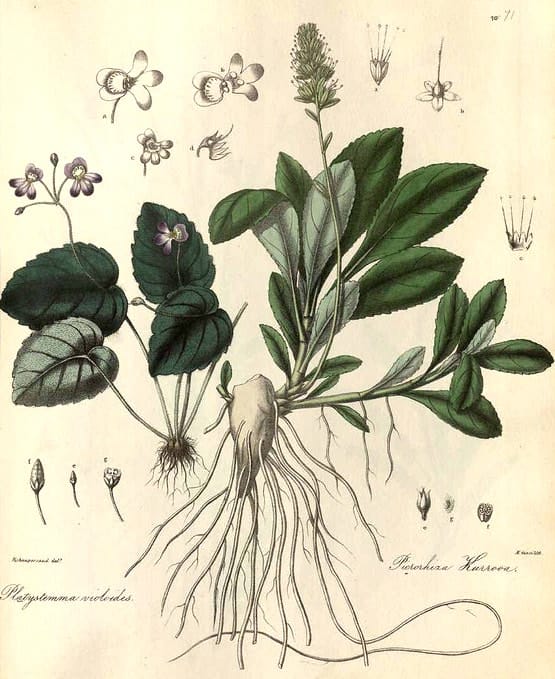
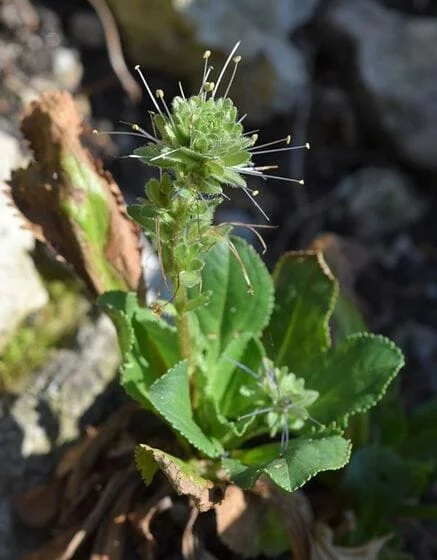
Picrorhiza spp. (sometimes spelled Picrorrhiza)
- P. kurroa (mainly Ayurveda, also TCM)
- P. scrophulariflora (syn. Neopicrorhiza scrophulariaeflora) (TCM, Tibetan)
Hong len, used in Tibetan Medicine, has several varieties:
- Hong len mchhog, Picrorhiza scrophulariiflora
- Hong ldman pa:
- ‘Female’ variety: Lagotis glauca
- ‘Male’ variety: Lagotis brevituba; L. uralensis (Buryat); L. kunawurensis (Nepal)
- Hong len ser po: Scutellaria baicalensis
Parts used:
Rhizome
Temperature & Taste:
Cold, dry. Bitter
Classification:
Uses:
1. Clears Liver Heat (Ayurveda, TCM, Unani, Tibetan):
-Headache, Red Eyes, Diarrhea, Gall Bladder disease
-Hypertension etc.
-Hepatitis; various Liver diseases with Heat or Heat and Damp
-especially useful for Bilious dyspepsia, and especially if with Fever (Unani)
-various Eye diseases associated with liver heat.
-potent Hepato-protective
-effective to lower Cholesterol
-‘It tonifies the Liver and the Gall Bladder, and improves the eyesight’ (Su Gong)
2. Clears Heat and Damp (Ayurveda, TCM, Tibetan, Unani):
-Diarrhea associated with Heat and Damp of the Stomach, Liver, Gall Bladder or Bowels.
-Urinary Tract Infections, Jaundice
-Gastritis and Intestinal Pain.
3. Clears Heat and Poison:
-Sore Throat, Cough, Cold and Lung Fever (Tibet); Sore Throat, Tonsillitis (Ayurveda)
-Allergies and Hay-fever.
-Inflammations, Swellings and Tumors from Heat or Heat and Toxin
-Skin diseases including Eczema and more obstinate diseases such as Psoriasis
-Sexually Transmitted Diseases including Syphilis (Ayurveda)
-neutralizes toxin of Croton seed (Su Gong)
4. Clears Deficient Heat:
-Heat from Yin deficiency; Tuberculosis; Hectic Fever; Fever associated with childhood malnutrition
-Wasting Disorders; Cachexia
-adjunct in Diabetes
5. Clears Heat, Stops Wheezing
-Heat-type Cough and Wheezing
-Recently shown effective for Bronchial Asthma
6. Promotes Digestion:
-Small doses of the powder are used as a aperient, to stimulate digestion. (Unani)
-poor appetite in infants (Kai Bao Ben Cao)
–‘relieves indigestion due to overeating of fruit’. (Zhu Zhen Heng)
-considered useful for Obesity (Ayurveda)
7. Benefits Milk:
-Ayurveda considers Picrorhiza useful for increasing Milk quality.
Dose:
Powder: 500mg–3 grams
Decoction: 2–9 grams
Comment:
1. Hu in Chinese means ‘foreign’. It originated in ancient Persia, and is similar in function and use to Coptis Huang Lian, which is how it got its Chinese name (‘Foreign Coptis‘).
2. According to Tibetan texts, if taken with Ghee or butter, it sharpens Eyesight.
Correctives:
1. Mastic (Unani)
2. Almond oil (Unani)
Substitutes:
1. Gentian. various Gentians have been used as substitutes including G. kurroo, G. decumbens, G. tenella (Ayurveda)
2. Lagotis glauca, L. brevituba (used in Tibet as varieties of Hong len and in Ayurveda as a substitute / adulterant)
3. Scutellaruia baicalensis Huang Qin is an accepted substitute in Tibetan Medicine (used in Buryat region)
4. Picrorhiza is considered a cheaper substitute for Coptis Huang Lian in TCM and may also be used for Golden Seal.
5. In Buryat region, Thalictrum minus is used for Hong len ser po.
Main Combinations:
Liver
1. Hepatitis:
i. Viral Hepatitis, Picrorhiza with Triphala, Bdellium, Plumbago (Ayurveda)
ii. Picrorhiza with Madder, Tinospora, Emblic Myrobalan, Phyllanthus amarus
iii. Picrorhiza with Triphala, Bdellium, Boerhaavia, Nux Vomica. Ayurveda)
2. Liver heat, Bile disease:
i. Picrorhiza with Tabasheer, Safflower, Bezoar, Swertia, White Sandalwood (Tibetan Medicine)
ii. with headache, inflammation, fever, bitter taste and yellowish complexion, Picrorhiza with Costus, Aconitum heterophyllum, Picrorhiza, Barberry (as in Swertia 8 of Tibetan Medicine)
iii. Picrorhiza with White Sandalwood, Tabsheer, Nutmeg, Clove, Black Cardamon, Green Cardamon, Safflower, Chebulic Myrobalan, Costus, Corydalis, Adhatoda vasica, Madder (as in Sandalwood 18 of Tibetan Medicine)
Heat/Bile Diseases
3. Fever:
i. Picrorhiza with Andrographis, Tinospora and Ginger (Ayurveda)
ii. Bilious Fever, Picrorhiza, Licorice, Raisins, Neem bark (equal parts) as a decopction. (Ayurveda)
iii. Typhoid Fever, Picrorhiza, Gardenia Zhi Zi, Pig Gall Bladder and Honey are form into pills (Ben Cao Gang Mu)
4. Allergies, Picrorhiza with Tylophora, Long Pepper, Ephedra, Licorice (Ayurveda)
5. Postpartum Fever, Picrorhiza with Ginger, Zedoary, Cyperus rotundus, Fumitory (Ayurveda)
6. Blood Heat, Chronic Fever, with Thirst, Picrorhiza with Tabasheer, Safflower, Swertia, White Sandalwood, Adhatoda (as in Principle 8 (Gtso bo brgyad pa) of Tibetan Medicine)
7. Deficient Heat, Hectic Fever (Yin-deficient Heat):
i. Picrorhiza with Anemarrhena Zhi Mu.
ii. Picrorhiza with Stellaria Yin Chai Hu, Lycium Root Bark (Di Gu Pi) (as in Qing Gu San from Zheng Zhi Zhun Sheng [Standard of Diagnosis and Treatments])
iii. Picrorhiza with Tabasheer, Tragacanth, Sandalwood, Four Cold Seeds
8. Chronic Diarrhea or Dysentery with blood in the stool:
i. Picrorhiza with dry Ginger.
ii. Picrorhiza with Prunus Wu Mei, and Zao Xin Tu (Terra Flava usta, ‘Oven Earth’)
iii. Picrorhiza with Emblic Myrobalan Safflower, Licorice, Pomegranate seed, Shilajit, Madder (as in Bezoar 13 (Gi wan 13) of Tibetan Medicine)
9. Skin diseases:
i. Picrorhiza with Fumitory
ii. Picrorhiza with Madder, Neem, Psoralea (Ayurveda)
iii. obstinate skin diseases, Picrorhiza with Emblic Myrobalan, Aconitum heterophyllum, Cyperus rotundus, Sandalwood, Barberry, Calamus, Asparagus, Tinospoa, Swertia, Licorice, Fumitory, Cassia fistula, as a medicinal Ghee (Ayurveda)
10. Sexually Transmitted Diseases (STD’s)
i. Picrorhiza with Fumitory, Gentian
ii. Picrorhiza with Cyperus rotundus, Sandalwood and Ginger (Ayurveda)
11. Syphilitis:
i. Picrorhiza with Catechu (TCM)
ii. Picrorhiza with Sarsaparilla
iii. Hemidesmus (5 parts), Vetiver (4 parts), Cyperus (5 parts), Picrorhiza (6 parts), Ginger (4 parts). Dose: 5–10 grams (Ayurveda)
Childhood Diseases:
12. Childhood nutritional impairment with Fever and poor appetite:
i. in cases with Heat, Picrorhiza has been combined with Coptis Huang Lian
ii. Picrorhiza with Codonopsis Dang Shen, Atractylodes Bai Zhu Hawthorn fruit (Shan Zha) (as in Fei Er Wan from Wan Bing Hui Chun [Bring Spring Back to Myriad Diseases]),
iii. Picrorhiza with Withania, Asparagus, Triphala
iv. Picrorhiza, Flying Squirrel feces (Wu Ling Zhi), Pig Bile (Ben Cao Gang Mu)
13. Jaundice in a Newborn, Picrorhiza, Coptis Huang Lian
14. Excess Sweating in Infants, Picrorhiza, Bupleurum Chai Hu, Honey formed into pills (Ben Cao Gang Mu)
15. Diarrhea in infants, Picrorhiza and Ginger powders are taken with Licorice decoction (Ben Cao Gang Mu)
16. Sore and red eyes in Infants, Ointment of Picrorhiza and tea is applied to the palms (Ben Cao Gang Mu)
Other:
17. Hoarseness, Laryngitis, Tonsillitis, Picrorhiza with Cyperus rotunudus, Ginger, Raisin, Long Pepper, Barberry, Triphala (as in Drakshadi Churna, or Powder of Raisins, of Ayurveda).
18. Persistent Hiccups, Picrorhiza mixed with Honey cures the most persistent Hiccups. (The Bower Mauscript, Ayurveda)
19. Indigestion, Picrorhiza, Calamus, Plumbago, Chebulic Myrobalan (equal parts)
20. Constipation, Picrorhiza with Rhubarb, Fennel, Cardamon, Ginger
21. Diabetes, and to regulate Blood Sugar:
i. Picrorhiza with Tinospora, Tribulus, Gymnema (Ayurveda)
ii. Picrorhiza with Gymnema, Shilajit
22. To increase Milk quality:
i. Picrorhiza with Fennel, Aniseed
ii. Picrorhiza with Cyperus rotundus (Ayurveda)
23. To strengthen the Eyesight, dip the root in woman’s milk and drop into the eye (Su Gong)
24. To increase immunity, Picrorhiza with Withania, Swertia, Licorice (Ayurveda)
25. Hemorrhoids, Picrorhiza is mixed with Bile and applied topically (TCM)
Major Formulas:
Tibetan:
Antidote for Hot Tumors (Tsha skran gnyen po)
Bezoar 13 (Gi wan bcu gsum)
Clove 35 (Li shi so lnga)
Cowrie Ash 6 (Mgron thal drug pa)
Great Black Combination (Sman nag chen mo)
Great Decoction 25 (Thang chen nyer lnga)
Life Holding Jewel (Srog ‘dzin nor bu)
Lotus Stem White Pills (Ril dkar pad sdong)
Minister 9 (Blon po dgu sbyor)
Picrorrhiza 13 (Hong len bcu gsum)
Principle 8 (Gtso bo brgyad pa)
Swertia 8 (Tig ta brgyad pa)
Birthwort 4 Decoction (Ba le ka bzhi thang)
Ayurveda:
Arogyavardhini Vati (Disease-Destroying Pill)
Punarnavadi Churna (Boerhavia Renewing Powder)
Cautions:
1. Very Cold and Bitter, so use carefully in Cold and Weak Stomach.
2. Not suitable for use in Yin deficiency.
CITES listing:
Picrorhiza kurroa is listed as endangered on CITES. Picrorhiza scrophulariflora is not included on that listing, however.
Main Preparations used:
Click the above Tabs for more information on this medicine
GENERAL / REVIEW:
–Pharmacological and Clinical Efficacy of Picrorhiza kurroa and Its Secondary Metabolites: A Comprehensive Review.
–Iridoid glycosides from Picrorhiza genus endemic to the Himalayan region: phytochemistry, biosynthesis, pharmacological potential and biotechnological intercessions to boost production.
–Picrorhiza kurroa, Royle ex Benth:Traditional uses, phytopharmacology, and translational potential in therapy of fatty liver disease.
–[Advances in research on chemical composition of Picrorhiza scrophulariiflora and P. kurroa and their biological activities].
–Advances in Ethnobotany, Synthetic Phytochemistry and Pharmacology of Endangered Herb Picrorhiza kurroa (Kutki): A Comprehensive Review (2010-2020).
ANTIBACTERIAL
–Biological Activity of Picrorhiza kurroa: A Source of Potential Antimicrobial Compounds against Yersinia enterocolitica.
–GC-MS Metabolomics profiling and HR-APCI-MS characterization of potential anticancer compounds and antimicrobial activities of extracts from Picrorhiza kurroa roots.
ANTIMALARIAL
–Chemical investigation of an antimalarial Chinese medicinal herb Picrorhiza scrophulariiflora.
–Antimalarial activity of three Pakistani medicinal plants.
ANTI-INFLAMMATORY
–Anti-inflammatory Effect of Picrorhiza kurroa in Experimental Models of Inflammation.
ANTIOXIDANT
–In Vitro Antioxidant and Inhibitory Study of Picrorhiza kurroa (Kutki), Syzygium aromaticum (Loung), Lawsonia inermis (Henna), Rheum emodi (Revand Chini), Curcuma longa (Haldi) Against Lipid Per-Oxidation in Mice Brain and Liver.
–Evaluation of Antioxidant Activity of Picrorhiza kurroa (Leaves) Extracts.
–Antioxidant and anti-neoplastic activities of Picrorhiza kurroa extracts.
–Antidiabetic and antioxidant effects of Picrorhiza kurrooa rhizome extracts in diabetic rats.
IMMUNOMODULATORY
–Immunomodulatory effect of picroliv on the efficacy of paromomycin and miltefosine in combination in experimental visceral leishmaniasis.
–Immunomodulatory activity of biopolymeric fraction RLJ-NE-205 from Picrorhiza kurroa.
PROTECTS AGAINST IMMUNOSUPPRESSION
–Protective effects of Picrorhiza kurroa on cyclophosphamide-induced immunosuppression in mice.
COVID
–A randomized, placebo controlled, double blinded, parallel group clinical study to evaluate the efficacy and safety of AEV01 along with standard care for elderly patients with mild COVID-19.
ACUTE LUNG INJURY
–Neutrophilic Lung Inflammation Suppressed by Picroside II Is Associated with TGF-β Signaling.
ANTI-ULCER
–Healing potential of Picrorhiza kurroa (Scrofulariaceae) rhizomes against indomethacin-induced gastric ulceration: a mechanistic exploration.
COLITIS
–Picroside III Ameliorates Colitis in Mice: A Study Based on Colon Transcriptome and Fecal 16S Amplicon Profiling.
–Network Pharmacology Study of Bioactive Components and Molecular Mechanisms of the Glycoside Fraction from Picrorhiza scrophulariiflora Against Experimental Colitis.
–Picroside III, an Active Ingredient of Picrorhiza scrophulariiflora, Ameliorates Experimental Colitis by Protecting Intestinal Barrier Integrity.
CARDIOPROTECTIVE
–Cardioprotective effect of root extract of Picrorhiza kurroa (Royle Ex Benth) against isoproterenol-induced cardiotoxicity in rats.
HEPATOPROTECTIVE
–Hepatoprotective Potential of Indian Medicinal Plants.
–Hepatoprotective Principles from the Rhizomes of Picrorhiza kurroa.
–Hepatoprotective activity assessment of amino acids derivatives of picroside I and II.
–Picroside II protects against cholestatic liver injury possibly through activation of farnesoid X receptor.
–Synergistic protective effect of picrorhiza with honey in acetaminophen induced hepatic injury.
–Pharmacology and chemistry of a potent hepatoprotective compound Picroliv isolated from the roots and rhizomes of Picrorhiza kurroa royle ex benth. (kutki).
VIRAL HEPATITIS:
–Hepatoprotective Potential of Indian Medicinal Plants.
HYPERLIPIDEMIA
–A Comparative Study on Clinical Evaluation of the Hypolipidemic Effects of Allium sativum, Trigonella foenum-graecum, Commiphora mukul, Picrorhiza kurroa, and Piper nigrum: A Pilot Study.
FATTY LIVER DISEASE / STEATOHEPATITIS:
–Picrosides-rich fraction from Picrorhiza kurroa attenuates steatohepatitis in zebrafish and mice by modulating lipid metabolism and inflammation.
–Computational dissection through network pharmacology and structure-based analysis unravels mechanistic actions of bioactive compounds in a hepatoprotective herb, Picrorhiza kurroa for the treatment of NAFLD and NASH.
–Total glucosides of Picrorhizae Rhizome alleviate non-alcoholic steatohepatitis (NASH) by specifically targeting acyl-CoA oxidase 1.
–Picrorhiza kurroa, Royle ex Benth:Traditional uses, phytopharmacology, and translational potential in therapy of fatty liver disease.
HEPATIC FIBROSIS
–Protective effect of picroside I against hepatic fibrosis in mice via sphingolipid metabolism, bile acid biosynthesis, and PPAR signaling pathway.
ACUTE PANCREATITIS
–Picroside II Shows Protective Functions for Severe Acute Pancreatitis in Rats by Preventing NF-κB-Dependent Autophagy.
EFFECT ON ENZYMES
–Phytochemical Screening, Antioxidant, and Inhibition Activity of Picrorhiza kurroa Against alpha-Amylase and alpha-Glucosidase.
NEPHROPROTECTIVE
–Mechanism Of Nephroprotection By Picrorhiza Kurroa.
–Iridoid glycosides fraction from Picrorhiza kurroa attenuates cyclophosphamide-induced renal toxicity and peripheral neuropathy via PPAR-gamma mediated inhibition of inflammation and apoptosis.
–EVALUATION OF THERAPEUTIC POTENTIAL OF PICRURHIZA KURROA GLYCOSIDAL EXTRACT AGAINST NIMESULIDE NEPHROTOXICITY: A PILOT STUDY.
–Ethanol extraction of Picrorhiza scrophulariiflora prevents renal injury in experimental diabetes via anti-inflammation action.
CHRONIC KIDNEY DISEASE
–[Effect of the ethanol extract of Picrorhiza scrophulariiflora on the progression of chronic kidney disease in a rat remnant kidney model].
INCREASES INSULIN SENSITIVITY
–Kutkin, iridoid glycosides enriched fraction of Picrorrhiza kurroa promotes insulin sensitivity and enhances glucose uptake by activating PI3K/Akt signaling in 3T3-L1 adipocytes.
DIABETES
–Picrorhiza kurroa Enhances beta-Cell Mass Proliferation and Insulin Secretion in Streptozotocin Evoked beta-Cell Damage in Rats.
–Antidiabetic activity of standardized extract of Picrorhiza kurroa in rat model of NIDDM.
–Antidiabetic and antioxidant effects of Picrorhiza kurrooa rhizome extracts in diabetic rats.
DIABETIC NEPHROPATHY
–A network pharmacology, molecular docking and in vitro investigation of Picrorhiza kurroa extract for the treatment of diabetic nephropathy.
–Effect of Picrorrhiza rhizoma extracts on early diabetic nephropathy in streptozotocin-induced diabetic rats.
ARTHRITIS
–Picrorhiza kurroa Inhibits Experimental Arthritis Through Inhibition of Pro-inflammatory Cytokines, Angiogenesis and MMPs.
OSTEOARTHRITIS
–Picroside II suppresses chondrocyte pyroptosis through MAPK/NF-κB/NLRP3 signaling pathway alleviates osteoarthritis.
NEUROPROTECTIVE
–Picroside II Exerts a Neuroprotective Effect by Inhibiting the Mitochondria Cytochrome C Signal Pathway Following Ischemia Reperfusion Injury in Rats.
INHIBITS NEUROINFLAMMATION
–Picrorhiza kurroa Prevents Memory Deficits by Inhibiting NLRP3 Inflammasome Activation and BACE1 Expression in 5xFAD Mice.
ANTI–TUMOR
–Anti-tumor efficacy and safety of AEV01 in preclinical glioblastoma and hepatocellular carcinoma models.
CANCER
–GC-MS Metabolomics profiling and HR-APCI-MS characterization of potential anticancer compounds and antimicrobial activities of extracts from Picrorhiza kurroa roots.
–Picroside II, an iridoid glycoside from Picrorhiza kurroa, suppresses tumor migration, invasion, and angiogenesis in vitro and in vivo.
–“Picrosides” from Picrorhiza kurroa as potential anti-carcinogenic agents.
–HPTLC Analysis of Bioactivity Guided Anticancer Enriched Fraction of Hydroalcoholic Extract of Picrorhiza kurroa.
–Antioxidant and anti-neoplastic activities of Picrorhiza kurroa extracts.
–Protective effect of Picroliv, the active constituent of Picrorhiza kurroa, against chemical carcinogenesis in mice.
BREAST:
–In vitro study on anti-proliferative and anti-cancer activity of picrosides in triple-negative breast cancer.
You must be logged in to view this content, please login. If you're not a member then Click this link to subscribe