Salix, Willow
Bed Mushk, Gurba Bed (Unani)
Skye yag སྐྱེ་ཡག་ (Tibet)
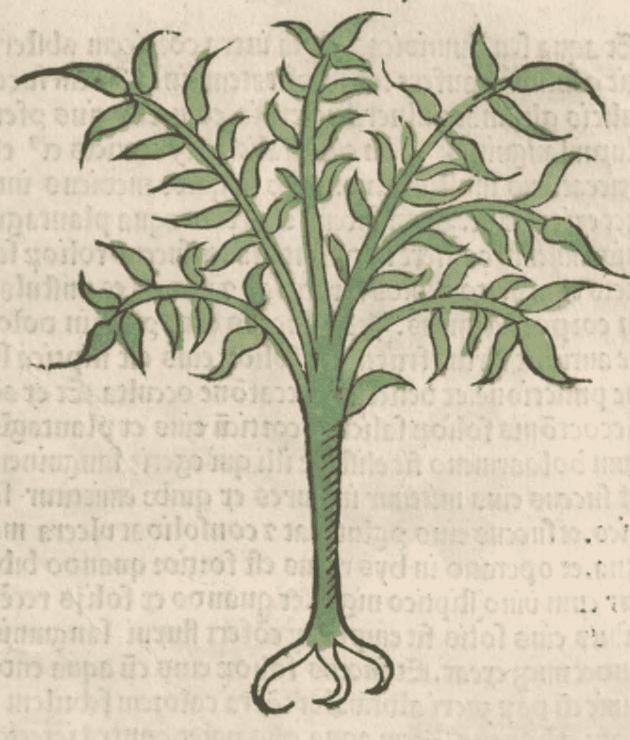
Herbarius latinus, Petri, 1485
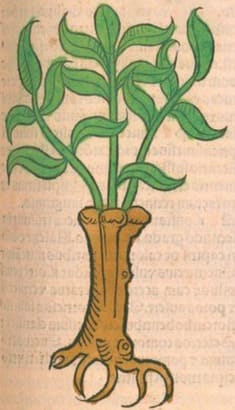
Ortus Sanitatis, Meydenbach, 1491
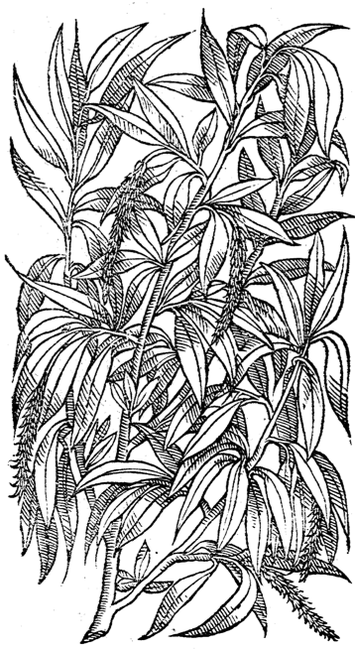
Parkinson, Theatrum Botanicum, 1640
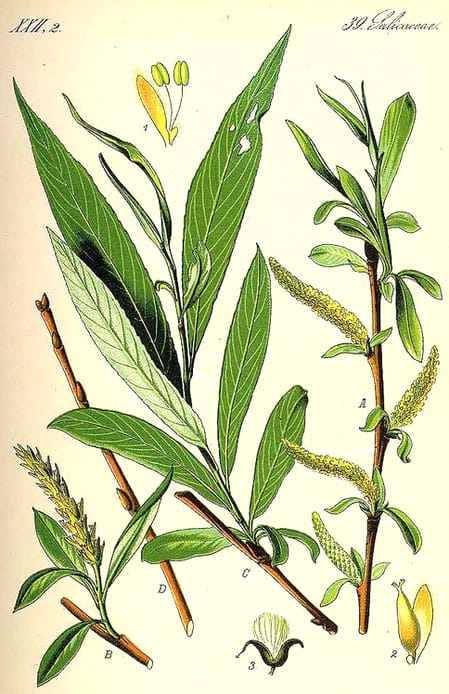
Salix alba
Thomé, Flora von Deutschland Österreich und der Schweiz, 1885
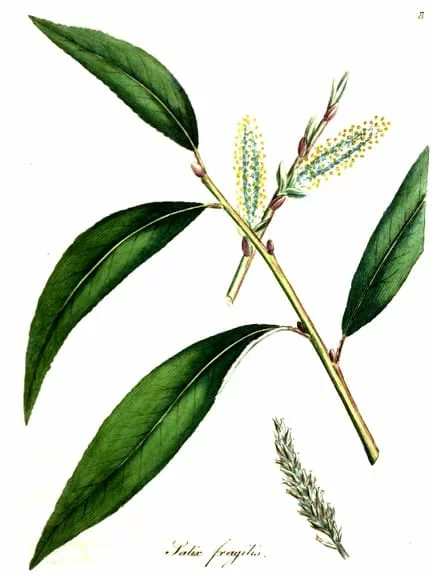
Salix fragilis
Medical Botany, Woodville, 1810
Botanical name:
Salix alba
Other species used include S. penandria and S. fragilis, the last of which was claimed to be the strongest of the species.
In addition to S. alba, Unani uses S. aegyptiaca (Musk Willow), S. caprea, S. acmophylla
In Tibet, S. alba, S. babylonica, and others are used.
Parts used:
Leaf, Buds, Bark
Temperature & Taste:
Cool, dry. Bitter
Classifications:
2T. GLUTINATE
3B. FEBRIFUGE & ANTIPYRETIC. 3F. LITHONTRIPTIC
4a. CEPHALIC. 4k. ARTHRITIC
Uses:
1. Clears Wind and Damp, Eases Pain, Promotes Urine:
-painful, burning urine; Cystitis, Urethritis and Prostatitis.
-turbid white urine in TCM; Edema in Tibet
-Gravel, Stones
-Arthritis, Rheumatism, Rheumatoid Arthritis and various pains from wind and damp. (West, Tibet)
-Leaf is a better Diuretic, twigs and bark are best for rheumatic disorders;
2. Clears Heat and Toxin, Eases Pain:
-Fevers; Malaria.
-acute pain from heat including rheumatic and muscular pain, headache, toothache etc.
-Mastitis; Thyroiditis
-traditionally for Mania and Madness.
3. Cools the Kidneys, Clears Deficient Heat:
-insomnia, irritability
-low grade fevers, night sweats, consumption, all from deficient Kidney heat.
-Premature Ejaculation, Nymphomania and excessive sexual desire;
-‘the leaves cause barrenness’ (Dioscorides)
-the twigs, buds, leaves, and seeds have all been used to repress excessive sexual desire in man or women, and for lustful dreams (first listed by Dioscorides)
4. Clears Heat from the Stomach:
-hyperacidity, painful digestion, epigastric discomfort as seen in colic, dyspepsia from digestive debility etc.;
-vomiting from Stomach heat.
-frontal headache and toothache associated with Stomach Heat.
-accessory herb in the treatment of Diabetes from Stomach heat. (bark)
5. Stops Leakages and Bleeding:
-bleeding from wounds, the mouth, nose, and other types of bleeding.
-chronic diarrhea, Dysentery, and Spermatorrhea. (The seeds, bark or leaves were traditionally decocted in wine)
6. Externally:
-skin disease such as Erysipelas, Eczema and Scurf.
-Sap from the cut tree clear Spots from the face and skin
-leaf decoction in water with one-tenth part of wine vinegar added was used for Erysipelas and Herpes. (Herbarium Horstianum)
-ashed bark is mixed with vinegar and applied topically to Warts, Corns iv. the Sap is used externally to clear the skin
-leaves or bark are decocted in wine and used as a wash for Dandruff (Dioscorides)
-decoction of the leaf and bark is used as a wash for Gout.
-oil obtained from the Wood (with heat) is anointed on for Numbness, Lack of Feeling or Shaking of the Limbs.
-Sap gathered by cutting the bark while the tree is in flower is good for dimness of Sight, redness of the Eyes, or Films growing over them.
-foot bath in the heat of Fevers, and bleeding Noses
-Buds or Bark stop Bleeding, applied
-ashes of the Bark cures Warts and Corns
Dose:
BARK in DECOCTION: 6–20, 30, and up to 50 grams daily;
LEAF or CATKINS in INFUSION or DECOCTION: 6–20 grams, up to a maximum of 30 or 50 grams daily;
TINCTURE of the BARK or LEAVES (1:5): 2–4, or 6 mls., 2–4 times daily;
POWDERED ROOT BARK: 1–3 grams, up to 6 grams.
Comment:
1. Musk Willow is regarded as stronger than Common Willow.
2. ’The Mistletoe [of the Willow] is commended highly to cause Delivery’. (Schroder)
Corrective:
Rose, Rose water
Substitute:
1. Water Lily as a febrifuge
2. Various Willows have replaced the official Willow.
3. In Unani, Willow bark is considered a substitute for Cinchona
Main Combinations:
Fever
1. Febrile disease:
i. Willow bark with Vervain
ii. Willow bark, Feverfew, Camomile
ii. Willow bark, Ceylon Cinnamon, Cinchona, Menyanthes, Gentian, Star Anise
iv. Hectic Fever, Willow leaf and bark decocted and added to the bath water (Herbarium Horstianum, 1630)
Inflammation and Pain
2. Arthritis, Rheumatism:
i. Willowbark and leaves boiled in wine and applied (Culpeper)
ii. Willow bark with Elder berries
iii. Willow bark with Birch leaf, Linden leaf, Dandelion
iv. Willow bark with Birch leaf, Senna (Kroeber)
v. Willow bark with Celery seed and Guaiacum
vi. Willow bark with Elder flower, Rosemary, Golden Rod, Coltsfoot (as in Decoction for Arthritis)
3. Gout, Willow bark with Winter Cherry, Horsechestnut bark, Walnut shell, Horsetail (Meyer)
4. Pain from Heat such as headache, neuralgia, neuritis, rheumatism and fever, Willow bark, Betony, Rosemary, Raspberry leaf and Vervain
5. Migraine:
i. Willow bark, Feverfew (see research below)
ii. Willow back, Vervain, Betony, Balm
6. Prostatitis:
i. Willow bark with Horsetail (Ellingwood)
ii. Willow bark, Saw Palmetto, Nettle
Other:
7. Madness, Willow leaf, Meadowsweet, Burnet, Borage, Balm, St Johns wort, Camphor (The London Practice of Physic, Dr. Willis, 1689)
8. Bleeding from the Lungs:
i. Willow leaf, with Daisy, Periwinkle, Knotgrass (Meyer)
ii. Willow leaf, Comfrey leaf, Plantain leaf
9. Diseases of the Colon, Willow bark, Ginger, Walnut, Dates, decocted in water. (Syrian ‘Book of Medicine‘, Budge, 1913)
10. Leukemia, decoct roots of Willow, Pear, Peach and Mulberry (Anti-Cancer Medicinal Herbs, Chang Minyi, 1992)
Externally:
11. Head pain from heat, boil Willow leaf and Rosemary in vinegar and use as a wash
12. Open Burn Ulcers, Willow bark and Carbonised Linden wood
13. Hot inflammatory tumors and swellings, Willow leaf with Purslane, Nightshade, Rose and Houseleek
14. Erysipelas, Herpes, Ringworm, Eczema:
i. Willow leaf decoction with 10% vinegar added, used as a wash
ii. Acorn cups, Willow leaf, Blackberry leaf, Plantain
15. Foul and Gangrenous Ulcers, Willow leaf juice made into an ointment with sufficient Lard. (Armen Pharmacopoea, Hufeland, 1825)
Major Formulas:
Decoction for Arthritis
Powder for Headache from Heat (Rhazes)
Powder for Ulcerated Cancer
Cautions:
1. Not used in Cold and Weak Kidneys or Yin deficiency
2. ‘the leaves cause barrenness’ (Dioscorides)
3. Efficacy and Safety of White Willow Bark (Salix alba) Extracts.
Main Preparations used:
Distilled Water of the Leaves
Click the above Tabs for more information on this medicine
Pliny on Willow:
‘The fruit of the willow, before it arrives at maturity, is covered with a down like a spider’s web: gathered before it is ripe, it arrests discharges of blood from the mouth. The bark of the upper branches, reduced to ashes and mixed with water, is curative of corns and callosities: it removes spots also upon the face, being still more efficacious for that purpose if mixed with the juices of the tree.
‘The juices produced by the willow form three different varieties; one of which exudes in the shape of a gum from the tree itself, and another distils from an incision some three fingers in width, made in the bark while the tree is in blossom. This last is very useful for dispersing humours which impede the sight, acting also as an inspissative when needed, promoting the discharge of the urine, and bringing abscesses of all kinds toahead. The third kind of juice exudes from the wounds, when the branches are lopt off with the bill. Either of these juices, warmed in a pomegranate rind, is used as an injection for diseases of the ears. The leaves, too, boiled and beaten up with wax, are employed as a liniment for similar purposes, and for gout. The bark and leaves, boiled in wine, form a decoction that is remarkably useful as a fomentation for affections of the sinews. The blossoms, bruised with the leaves, remove scaly eruptions of the face; and the leaves, bruised and taken in drink, check libidinous tendencies, and effectually put an end to them, if habitually employed.
‘The seed of the black willow of Ameria, mixed with litharge in equal proportions, and applied to the body just after the bath, acts as a depilatory.’ (The Natural History of Pliny, trans. by Bostock and Riley, Vol. 5, 1856)
GENERAL / REVIEW:
–Identification and accumulation of phenolic compounds in the leaves and bark of Salix alba (L.) and their biological potential.
–Efficacy and Safety of White Willow Bark (Salix alba) Extracts.
ANTIBACTERIAL:
–Antibacterial and antifungal activity of methanolic extracts of Salix alba L. against various disease causing pathogens.
ANTI-VIRAL:
–Potential antiviral effects of some native Iranian medicinal plants extracts and fractions against influenza A virus.
ANTI-FUNGAL:
–Antibacterial and antifungal activity of methanolic extracts of Salix alba L. against various disease causing pathogens.
ANTIOXIDANT:
–GC-MS analysis of the methanolic extracts of Smilax china and Salix alba and their antioxidant activity.
–Salix alba attenuated oxidative stress in the heart and kidney of hypercholesterolemic rabbits.
–Improvement of cytoprotective and antioxidant activity of Rosa canina L. and Salix alba L. by controlled differential sieving process against H2O2-induced oxidative stress in mouse primary splenocytes.
MIGRAINE:
–Multiple pharmacological and toxicological investigations on Tanacetum parthenium and Salix alba extracts: Focus on potential application as anti-migraine agents.
–Tanacetum parthenium and Salix alba (Mig-RL) combination in migraine prophylaxis: a prospective, open-label study.
LOWER BACK PAIN:
–Herbal medicine for low-back pain.
–Herbal Medicine for Low Back Pain: A Cochrane Review.
You must be logged in to view this content, please login. If you're not a member then Click this link to subscribe