Assafoetida, Asafetida, A Wei 阿魏
Asafoetida, Devil’s Dung
Hing, Hingu (Ayurveda)
Perunkayam (Siddha)
A Wei 阿魏 (TCM)
Hilteet (Unani)
Shing kun ཤིང་ཀུན (Tibetan)

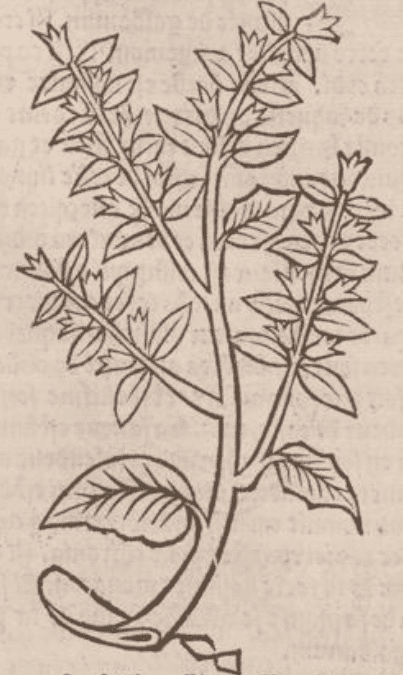
Ortus sanitatis, Cube, Johann von, 1501
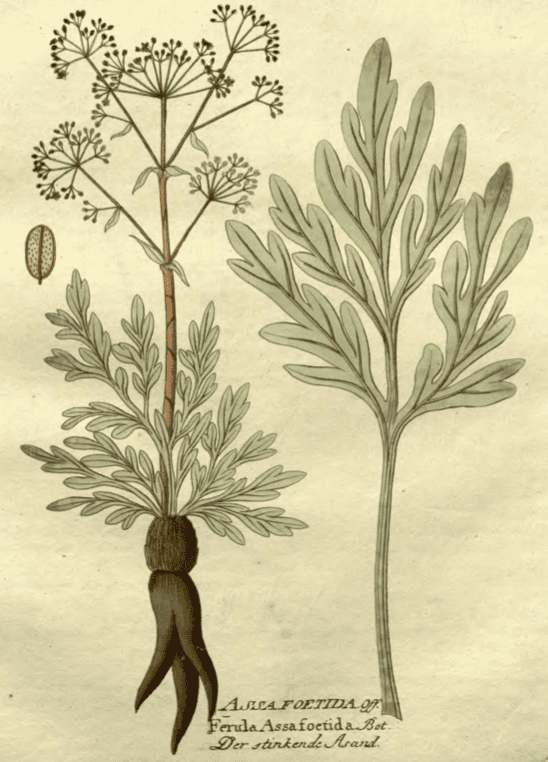
Icones Plantarum Medcio-oeconomico, Vietz, 1800
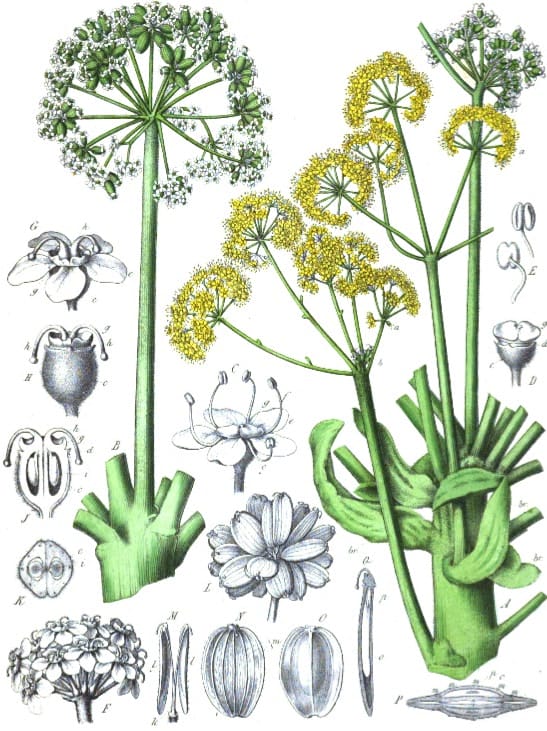
Ferula asafetida
Atlas der officinellen pflanzen (2), Felix, 1899
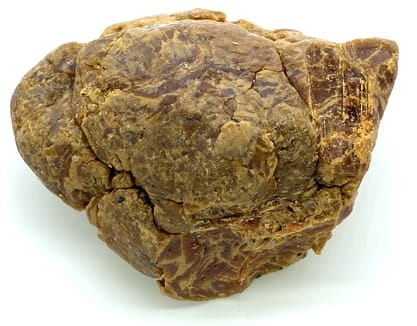
Lump of raw Asafetida gum
(Adam, 2022)
Botanical name:
Ferula asafetida
Other related sources include F. sinkiangensis
Parts used:
Gum
‘The root has similar therapeutic functions’ (Li Shi Zhen)
Temperature & Taste:
Hot, dry. Pungent, bitter.
“Hot in the beginning of Fourth degree and Dry in the Second degree”. (Avicenna)
Classification:
2H. CARMINATIVES 2K. RESOLVENT 2Q. ANODYNE
3G. EMMENAGOGUE 3K. EXPECTORANT
4j. NERVINES
TCM:
J. Regulate Qi O. Promotes Digestion
Uses:
1. Warms the Womb, Moves Qi and Blood (West, Ayurveda):
-painful and difficult Menstruation
-chiefly for Suffocation of the Uterus: Hysteria and PMS
-Sterility, Habitual Miscarriage
-“Dissolves the coagulated blood in the abdominal cavity” (Avicenna)
-“has proved a successful preventative against Abortion”.
2. Warms the Stomach, Benefits Digestion (West, TCM, Ayurveda, Tibetan):
-indigestion, colic, abdominal pain, poor appetite
-taken before meals to strengthen a weak stomach
-Food Stagnation
-‘dissolves indigestion due to overeating of meat’. (Zhu Zhen Heng)
3. Clears Wind, Stops Spasms (West, Tibetan Medicine):
-good for Wind diseases from Wind-Phlegm / Wind-Damp
-Spasms, Convulsions, Epilepsy, Neurasthenia, Nervous Prostration, Depression, Insanity
-“Its actions in Epilepsy resemble those of Peony”. (Avicenna)
-“If any one is subjest to the Falling Sickness, let Asafetida be held to his nose as soon as the fit comes”. (Pechy)
-“Nervous irritation, with mental depression, headache, and dizziness”. (King’s)
4. Warms the Kidneys (West, TCM, Ayurveda, Tibetan):
-Impotence, Premature Ejaculation, Spermatorrhea
-Arthritis, Edema (Tibetan Medicine)
-“In the books of the Indians (it says) that for Sex they rely on Asafetida”. (Rhazes)
5. Clears Cold Phlegm, Stops Cough (West, Ayurveda, Tibetan):
-spasmodic Cough, Asthma, chronic Bronchitis, Whooping Cough, Peri-pneumonia
-internal Abscesses (Avicenna)
-“useful in internal tumours” (Avicenna)
-“… dry, deep, choking, bronchial Cough” (King’s)
6. Clears Wind, Resists Poison (West, TCM, Ayurveda, Tibetan):
-used since ancient times as an antidote to Evil, Infectious and Epidemic diseases
-effective to prevent and treat Influenza; also Malaria
-“applied on bite of Rabid Dog as also on Insect stings particularly that of the Scorpion and Tarantula”. (Avicenna)
-“disperses invading pathogenic Wind” (Li Xun)
-antidote to Aconite and Opium poisoning; also other Poisons
-“detoxifies toxin of all kinds of mushrooms and vegetables”. (Da Ming)
7. Kills Worms:
-used for Worms
–Gu syndrome (diseases caused by Parasites) (TCM)
8. Externally:
-Vulnerary; used for Wounds, Bruises
-externally for swelling of the Spleen, “suffocation of the Uterus”
-fumes of Asafetida and Goat’s horn, being burnt, was inhaled for Epilepsy (Salmon)
-smoke inhaled for Rhinitis and Sinusitis
-a small piece wrapped in linen or gauze can be put into the ear before sleep for Tinnitus.
-“Used as a kohl (collyrium) with honey, it proves beneficial in early stages of Cataract”. (Avicenna)
-“Corroded molars are filled with Asafetida or it is pasted with Frankincense on the teeth” (Avicenna)
-“Malignant necrotic swellings are scarified and asafetida is applied thereon with good results.” (Avicenna)
-“It is also a good remedy for the external and internal Abscesses”. (Avicenna)
Dose:
It is best stir-fried before use; without this preparation, it is apt to cause vomiting.
Powder: 250mg–1500mg (up to 3 grams has been given)
Tincture (1:5 in 80% alcohol): 1–2 mls.
Tincture (1:10): given in 5–10 drop doses, up to a maximum of 25 or 30 drops, well diluted with Water
Emulsion: another method of administration involves adding 5 teaspoonfuls of the powder to 1 pint of water and triturating together to form a milky emulsion. This may be taken in ½–1 oz. doses;
Correctives:
1. Barberry; White Sandalwood
2. Aniseed; Tragacanth. (Unani)
Substitute:
1. Galbanum
Preparation:
The drug is obtained in hot countries by making a cut in the head of the root and collecting the resin. In cold countries, the root is beaten, the juice is extracted and dried in the sun or in an oven.
1. Stir-fried Asafetida:
In Ayurveda and Tibetan Medicine it is usually stir-fried in a little ghee for internal use. This removes the nauseous taste, makes it more agreeable to the stomach, and reduces its harshness. It also facilitates powdering.
2. Vinegar-prepared Asafetida:
In the Western Tradition it was sometimes dissolved in vinegar. This guides its effects to the Liver, helps move Qi and Blood, and was used for Hysteria, Epilepsy, Apoplexy and menstrual disorders. Vinegar also corrects the unpleasant taste and smell.
Adulteration:
“All varieties of Asafetida are adulterated before drying with Sagapenum and the flour of broad bean”. (Avicenna)
Main Combinations:
Nervous / Wind diseases:
1. Wind diseases: combine Asafetida with Aloeswood, Nutmeg, Costus, Clove, Fennel (Tibetan Medicine)
2. Epilepsy, Seizures:
i. Asafetida with Oxymel (Gerard)
ii. Asafetida with Calamus, Long Pepper (Ayurveda)
3. Nervous diseases, Spasms:
i. Neurosis, Asafetida with Valerian
ii. Asafetida with Valerian and Mint
iii. Asafetida with Valerian and Amber
Gynecology, Obtetrics:
4. To promote Menstruation, cleanse the Uterus, to promote Labor, and for Hysteria;
i. Asafetida with Myrrh, Asarum, Feverfew, Calamint
ii. Asafetida with Myrrh, Sagapen, Madder, Rue, Mint
iii. Asafetida with Myrrh, Rue, Pennyroyal, Madder, Mugwort
iv. Asafetida with Myrrh, Calamint, Rue, Savin
v. Asafetida with Myrrh, Saffron, Iron sulphate
vi. Asafetida, Saraca indica, Turmeric (Ayurveda)
5. Hysteria:
i. Asafetida with Valerian
ii. Asafetida (1 dram), Carrot seed (½ dram); with Honey of Roses, make 5 pills and take one each morning. (The Secrets of Alexis, 1615)
iii. Asafetida with Camomile and Rue
iv. Asafetida with Ginger and Black Pepper and form Pills (Ayurveda)
v. and to strongly promote Menstruation, combine Asafetida with Aloes and form Pills (Ayurveda)
vi. Asafetida with Myrrh, Parsley root, Peony root, Cumin, Balm, Mint, Rue
vii. Asafetida with Myrrh, Saffron, Castoreum, Camphor, Amber
viii. Asafetida, Galbanum, Myrrh, Valerian, Saffron, Castoreum (Sydenham’s Pilulae Antihysterica)
3. Infertility, Asafetida with Nutmeg, Withania
4. Threatened Miscarriage: Fried Asafetida is said to be very effective; 1 ½ grains are taken twice daily as soon as the pregnancy has started in women with a history of Miscarriage, or in those who are believed to be at risk. The dose is gradually increased to 15 grains; it is then decreased to 3 grains per day. This is continued until the birth of the child. (Ayurveda)
5. Postpartum: A small amount of fried Asafetida is taken with Garlic and Honey to help promote lochial discharge after Birth.
Stomach / Digestion:
6. Abdominal Obstruction, Asafetida, Aloes, Gum Ammoniac, Dandelion extract, Rhubarb
7. To promote Digestion and increase digestive Heat, Asafetida with Ginger, Cardamon, Fennel (Ayurveda)
8. All Wind diseases of the digestive system: combine Asafetida with Ginger, Pepper, Long Pepper, Cumin seed, Ajowan seed, Nigella seed, Rock Salt (Ayurveda, Hingashtak)
9. Severe Abdominal pain, Asafetida with Long Pepper, Ginger, Calamus, Sonchal Salt, Indian Sorrel
10. Diarrhea associated with weakness of the Stomach, combine Asafetida with Raisin (Gerard)
11. Dysentery, Asafetida, Coptis Huang Lian, Costus Mu Xiang
Other:
12. Asthma or Bronchitis:
i. combine Asafetida with Horehound
ii. Asafetida with Saffron
iii. spasmodic Cough, Whopping Cough, Asafetida, Adhatoda, Long Pepper
13. Heart disorders from Wind, Heart pain, Asafetida, Arjuna, Chebulic Myrobalan (Ayurveda)
14. Hypochondriac Melancholy, Asafetida with Bull Bile, Rhubarb
15. Jaundice: “Its ingestion with dry fFg proves to be useful in Jaundice”. (Avicenna)
16. Chronic Malaria, Asafetida with Cinnabar (equal parts), mixed with rice gruel and made into pills. Take before meals with decoction of Ginseng. (Li Shi Zhen)
17. Impotence and Premature Ejaculation: Fry 600mg of Asafetida in ghee and mix with honey, and the fresh latex of Banyan tree. This is to be taken once daily for 40 days before Sunrise.
18. Abscesses, Carbuncles etc., combine Asafetida with Rue and Saltpeter (Gerard)
19. In enemas, Asafetida with Camomile
Major Formulas
Powder for Severe Sore Throat
Troches for the Womb
Troches of Gums
Asafetida Powder (Hingvastaka Churna) (Ayurveda)
Asafetida 8 (Shing kun brgyad pa)
Asafetida 25 (Shin kun nyer lnga) (Tibetan)Aloeswood 9 (A gar dgu pa) (Tibetan)
Boladi Vati (Ayurveda)Caraway 8 (Go snyod brgyad pa) (Tibetan)
Increase Awareness Pills (Tibetan)
Mental Happiness (Sems kyi bde skyid) (Tibetan)
Nutmeg 14 (Dza ti bcu bzhi) (Tibetan)
1. Pills of Asafetida:
i. Asafetida, Galbanum, Myrrh (8 parts each), Amber oil (1 part) (Edinborough)
ii. Asafetida, Valerian extract (equal parts). Dose: 10–20 grains
iii. Asafetida (2 drams), Camphor, Musk (1 dram each), Ambergris (½ dram). Make 100 pills. Used for Angina pectoris. Dose: 2 pills. (Nouveau Formulaire Medicale et Pharmaceutique, 1820)
iv. Asafetida, Amber (2 drams), Mastic (1 ½ drams), Myrrh (1 dram), Tincture of Castor (sufficient). Dose: 12 grains thrice daily. Emmenagogue. (Nouveau Formulaire Medicale et Pharmaceutique, 1820)
2. Antispasmodic Bolus:
i. Asafetida, Castoreum (1 scruple each), Extract of Valerian (1 dram). Make 4 boluses. Nervous headache, tic douloureux, gastrodynia, epilepsy etc. (Ricettario clinico, 1825)
ii. Asafetida, Castoreum, Valerian, Amber (each ½ ounce), Camphor (1 scruple), Syrup of Amber (sufficient to make boluses). Used for Hysteria, Neuroses, Neuralgia and Nervous Vertigo. (Memorial Pharmaceutique, 1824)
3. Hysteric Pills (Pilulae Antihysterica):
i. Asafetida, Galbanum, Valerian extract (4 grams each), Castoreum, Saffron (1 gram each), Opium (500mg); make 100 pills. (Selle)
ii. Asafetida (5 grams), Galbanum, Myrrh (2.5 grams each), Castoreum (1250 mg), Valerian tincture (q.s). to make 100 pills sprinkled with saffron powder. (Sydenham)
iii. (Hysteric and Antispasmodic Pills) Asafetida (10 grams), Iron powder (2.5 grams), Castoreum (1250mg), Quassia extract (q.s.) make 150 pills. (Heim)
4. Nervine Boluses:
i. Asafetida (1 scruple), Extract of Valerian (2 scruples), Honey and Licorice powder (sufficient). Make 8 boluses; Dose: 2 every 2 hours.
5. Emmenagogue Pills:
i. Galbanum, Asafetida, Myrrh (½ dram each), Castoreum, Camphor, Ammonium subcarbonate (1 ½ drams), Oil of Cajeput (6 drops), Balsam of Peru (sufficient). Dose: 12–14 grains
Cautions:
1. Used cautiously during pregnancy (despite having been used for Threatened Miscarriage)
2. Not used in Heat conditions.
3. It may cause contact dermatitis in sensitive individuals.
Toxicity:
1. Evaluation of Toxicity Effects of Asafetida on Biochemical, Hematological, and Histological Parameters in Male Wistar Rats
2. Acute and subchronic toxicity assessment model of Ferula assa-foetida gum in rodents
3. . Sub-acute and acute toxicity of Ferula asafoetida and Silybum marianum formulation and effect of the formulation on delaying gastric emptying
4. Severe Methemoglobinemia Secondary to Ferula asafoetida Ingestion in an Infant: A Case Report
Main Preparations used:
Pills of Asafetida (either alone, made up with Distilled Vinegar, or Compound), Tincture, Solution, Syrup
1. Foetid Tincture
Asafetida 4 oz.
Rectified Spirit of Wine 1 quart
Steep for 10 days, then strain. Hot and dry, and therefore good for coldness and moisture of the Brain and Womb; used for Epilepsy, Vertigo, Apoplexy etc., as well as Suffocation of the Womb. Used as a wash externally for swelling of the Spleen, and to quicken the healing of ulcers. (Pharmacopoeia Bateana)
2. Solution of Asafetida.
Five drams of Asafetida is dissolved in 1 pint of hot water.
Dose: 1-2 tablespoons for adults; 1-2 teaspoonfuls for children.
3. Syrup of Asafetida (“The Ill-Scented Syrup“)
Tincture of Asafetida 2 lbs.
Refined Sugar in fine powder 3 lbs.
Melt and mix them together in the heat of a water bath.
“A specific Against the Falling Sickness, Fits of the Mother, and other diseases of the Head, Brain, Nerves and Womb”. Also used for obstructions of the Spleen and Bowel diseases.
Click the above Tabs for more information on this medicine
-This is recognised as a largely adulterated product. The adulterants are usually either poorer quality Asafoetida, Clay, Sand etc.
-An old name for Asafetida was cibus deorum, “Food of the Gods”.
-Individual plants may produce up to 2 lbs in a season.
–Gerard listed Laser (a gum coming from a plant he called Laserpitium) as being the best (and least offensive smelling) form of Asafetida; this came from Cyrene, with true Asafetida coming from Media and Syria; the medicinal use was the same, and the preference in his time for the Laser was probably due its smell being less unpleasant than the Asafetida they obtained from the Arabs.
-Even into this Century small bags of the drug have been hung around the neck of infants to protect from disease-probably originating from ancient practise.
-Small amounts are used as a condiment in Indian Vegetarian dishes, and is still used as a spice in the Middle East. Mainly used as a fixitive and fragrance in perfumery in modern times.
-The scent is said to repel Cats and Dogs.
-Because of its foul smell, it has had a long history of use to drive demons from possessed people. An incense for these purposes is composed of Asafetida, Valerian, Calamus, Peacock Feathers, Snake Skin and Cat Dung (from Tibetan Medicine). Even as far as Somalia it was made into Amulets to protect from Evil.
-An old Polish “cure” for Homosexuality used an Oil composed of Asafetida, Valerian, and Lavender. The Oil is used copiously externally, and is said to bring an instant “cure”.
-ANGER POWDER:
Asafetida, Sulphur, Black Pepper, Cayenne equal parts
This powder has been sprinkled around rooms, offices etc. to avoid or remove feelings of anger and irritation; it is said to clear the head of negative thoughts and emotions.
-Asafetida has been used as a potent Banishing medicine. Sprinkled onto a hot coal, it was said to dissipate negative spirits during conjuring etc.
Pharmacographia, Fluckiger & Hanbury, 1879:
‘Whether the substance which the ancients called Laser was the same as the modern Aasafoetida, is a question that has been often discussed during the last three hundred years, and it is one upon which we shall attempt to offer no further evidence. Suffice it to say that Laser is mentioned along with products of India and Persia, among the articles on which duty was levied at the Roman custom house of Alexandria in the 2nd century.
“Hingu,” doubtless meaning Asafoetida, occurs in many Sanskrit works, especially in epic poetry, but also in Susruta. Asafoetida was certainly known to the Arabian and Persian geographers and travellers of the middle ages. One of these, Ali Istakhri, a native of Istakir, the ancient Persepolis, who lived in the 10th century, states that it produced abundantly in the desert between Sistan and Makran, and is much used by the people as a condiment. The region in question comprises a portion of Beluchistan.
The geographer Edrisi, who wrote about the middle of the 12th century, asserts that asafoetida, called in Arabic Hiltit, is collected largely in a district of Afghanistan near Kaleh Bust, at the junction of the Helmand with the Arghundab, a locality still producing the drug. Other Arabian writers as quoted by Ibn Baytar, describe asafoetida in terms which show it to have been well known and much valued.
Matthaeus Platearius, who flourished in the second half of the 12th century, mentions asafoetida in his work on simple medicines, known as Circa installs, which was held in great esteem during the middle ages. It is also named a little later by Otho of Cremona, who remarks that the more foetid the drug, the better its quality. Like other productions of the East, asafoetida found its way in European commerce during the middle ages through the trading cities of Italy. It is worthy of remark that it is much less frequently mentioned by the older writers than galbanum, sagapenum and opopanax. In the 13th century, the “Physicians of Myddfai,” in Wales, considered asafoetida as one of the substances which every physician “ought to know and use.”
GENERAL / REVIEW
–Biological activities and medicinal properties of Asafoetida: A review
–Ferula asafoetida: Traditional uses and pharmacological activity
–Metabolic Profile, Bioactivities, and Variations in the Chemical Constituents of Essential Oils of the Ferula Genus (Apiaceae)
ANTIMICROBIAL / ANTIBACTERIAL
–Biological activities and medicinal properties of Asafoetida: A review
–In Vitro Antioxidant and Bactericidal Efficacy of 15 Common Spices: Novel Therapeutics for Urinary Tract Infections?
–Antibacterial activity of some Indian Ayurvedic preparations against enteric bacterial pathogens
–Antimicrobial Activity of the Essential Oil Obtained from the Seed and Oleo-Gum-Resin of Ferula Assa-Foetida against Oral Pathogens
ANTI-VIRAL
–Anti-Viral Evaluation of Sesquiterpene Coumarins from Ferula assa-foetida against HSV-1
–Antiviral Potential of Selected Medicinal Herbs and Their Isolated Natural Products
–The human rhinovirus: human‐pathological impact, mechanisms of antirhinoviral agents, and strategies for their discovery
–Potential Immunomodulatory Properties of Biologically Active Components of Spices Against SARS-CoV-2 and Pan β-Coronaviruses
–Anti-Viral Evaluation of Sesquiterpene Coumarins from Ferula assa-foetida against HSV-1
ANTIOXIDANT
–In Vitro Antioxidant and Bactericidal Efficacy of 15 Common Spices: Novel Therapeutics for Urinary Tract Infections?
–Antiepileptic and Antioxidant Effect of Hydroalcoholic Extract of Ferula Assa Foetida Gum on Pentylentetrazole- induced Kindling in Male Mice
–The effect of hydroalcoholic extract of Ferula foetida stems on blood pressure and oxidative stress in dexamethasone-induced hypertensive rats
ANTINOCICEPTIVE
–Ferula asafoetida: Traditional uses and pharmacological activity
–Antinociceptive effect of Ferula assa-foetida oleo-gum-resin in mice
ANTHELMINTIC
–Biological activities and medicinal properties of Asafoetida: A review
–Evaluation of anti-helmintic activity of Ferula foetida “Hing- A natural Indian spice” aqueous extract
LEISHMANIASIS
–Antileishmanial activity of Ferula assa-foetida oleo gum resin against Leishmania major: An in vitro study
–In vitro Antileishmanial Activity of Some Ethiopian Medicinal Plants
PROMOTES DIGESTION
–Biological activities and medicinal properties of Asafoetida: A review
DYSPEPSIA
–Safety and Efficacy of Ferula asafoetida in Functional Dyspepsia: A Randomized, Double-Blinded, Placebo-Controlled Study
HEPATOPROTECTIVE
–Biological activities and medicinal properties of Asafoetida: A review
HYPOTENSIVE / ANTI-HYPOTENSIVE
–Biological activities and medicinal properties of Asafoetida: A review
–Antihypertensive Effects of Standardized Asafoetida: Effect on Hypertension Induced by Angiotensin II
–The effect of hydroalcoholic extract of Ferula foetida stems on blood pressure and oxidative stress in dexamethasone-induced hypertensive rats
NEUROPROTECTIVE
–Biological activities and medicinal properties of Asafoetida: A review
–Ferulic acid attenuates microglia-mediated neuroinflammation in retinal degeneration
–Preventive Effect of Ferula asafoetida Oleo Gum Resin on Histopathology in Cuprizone-Induced Demyelination Mice
–Neuroprotective potency of some spice herbs, a literature review
MEMORY PROMOTING
–Biological activities and medicinal properties of Asafoetida: A review
ANXIOLYTIC
–Biological activities and medicinal properties of Asafoetida: A review
RELAXANT
–Biological activities and medicinal properties of Asafoetida: A review
ANTISPASMODIC / ANTICONVULSANT
–The Relaxant Effect of Seed’s Essential Oil and Oleo-Gum-Resin of Ferula Assa-Foetida on Isolated Rat’s Ileum
–Anticonvulsant Effect of Ferula Assa-Foetida Oleo Gum Resin on Chemical and Amygdala-Kindled Rats
EPILEPSY
–Antiepileptic and Antioxidant Effect of Hydroalcoholic Extract of Ferula Assa Foetida Gum on Pentylentetrazole- induced Kindling in Male Mice
–Efficacy of Iranian Traditional Medicine in the Treatment of Epilepsy
MULTIPLE SCLEROSIS
–Preventive Effect of Ferula asafoetida Oleo Gum Resin on Histopathology in Cuprizone-Induced Demyelination Mice
OPIOID ADDICTION
–Traditional Chinese and Indian medicine in the treatment of opioid-dependence: a review
–Effect of the methanolic extracts of different parts of Ferula assa-foetida on naloxone-induced withdrawal behavior in morphine-dependent mice
MYOCARDIAL ISCHEMIA
–The effect of asafoetida essential oil on myocardial ischemic-reperfusion injury in isolated rat hearts
VASORELAXANT
–Role of the potassium channels in vasorelaxant effect of asafoetida essential oil
DIURETIC
–Effect of Ferula assa-foetida oleo-gum-resin on renal function in normal Wistar rats
INCREASES SPERM
–Biological activities and medicinal properties of Asafoetida: A review
–Effect of Ferula assa-foetida oleo gum resin on spermatic parameters and testicular histopathology in male wistar rats
IMPOTENCE / ERECTILE DYSFUNCTION
–A panoramic view of medicinal plants traditionally applied for impotence and erectile dysfunction in Persian medicine
DIABETES
–Biological activities and medicinal properties of Asafoetida: A review
–Middle East Medicinal Plants in the Treatment of Diabetes: A Review
OBESITY
–Biological activities and medicinal properties of Asafoetida: A review
INCREASES PROGESTERONE
–Ferula asafoetida: Traditional uses and pharmacological activity
ANTI-IMPLANTATION
–Ferula asafoetida: Traditional uses and pharmacological activity
CANCER
–Biological activities and medicinal properties of Asafoetida: A review
–Ferula asafoetida: Traditional uses and pharmacological activity
–Gummosin, a sesquiterpene coumarin from Ferula assa-foetida is preferentially cytotoxic to human breast and prostate cancer cell lines
–Cytotoxic Properties of Some Medicinal Plant Extracts from Mazandaran, Iran
–Cytotoxic activity of the genus Ferula (Apiaceae) and its bioactive constituents
–Antitumor effect of Ferula assa foetida oleo gum resin against breast cancer induced by 4T1 cells in BALB/c mice
–Evaluation of Cytotoxicity Effects of Oleo-Gum-Resin and Its Essential Oil of Ferula assa-foetida and Ferulic Acid on 4T1 Breast Cancer Cells
You must be logged in to view this content, please login. If you're not a member then Click this link to subscribe