
Styrax, Storax, Su He Xiang 苏合香
Rosa Mallas
Su He Xiang (TCM)
Salaras, Asl Labni (Unani)

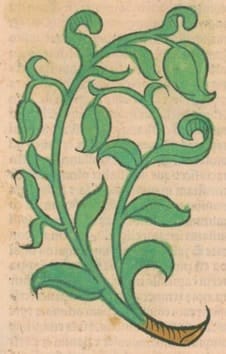
Ortus Sanitatis, Meydenbach, 1491
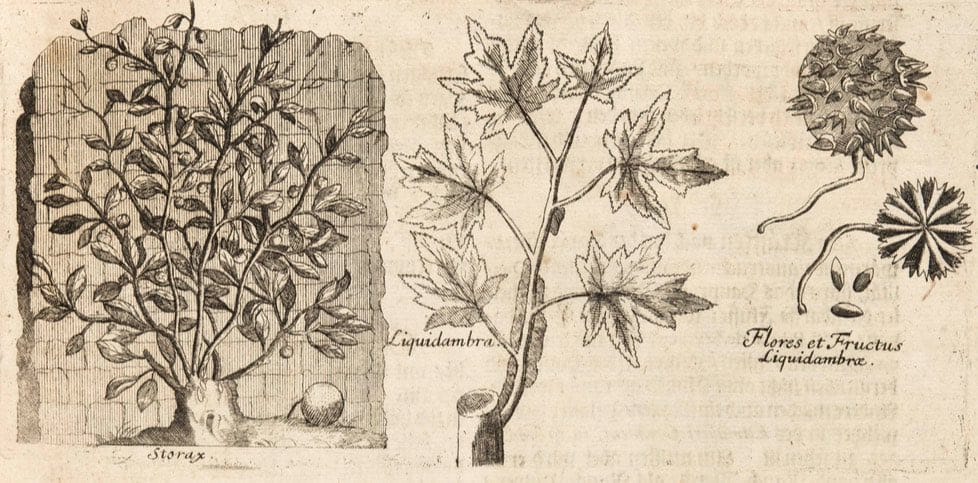
Left: Styrax officinalis (ancient source); Center & Right: Liquidamber (modern source)
Museum Museorum, Valentini, 1704
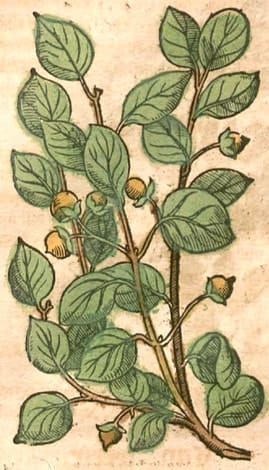
Styrax officinalis
Medical Botany, Woodville, 1810
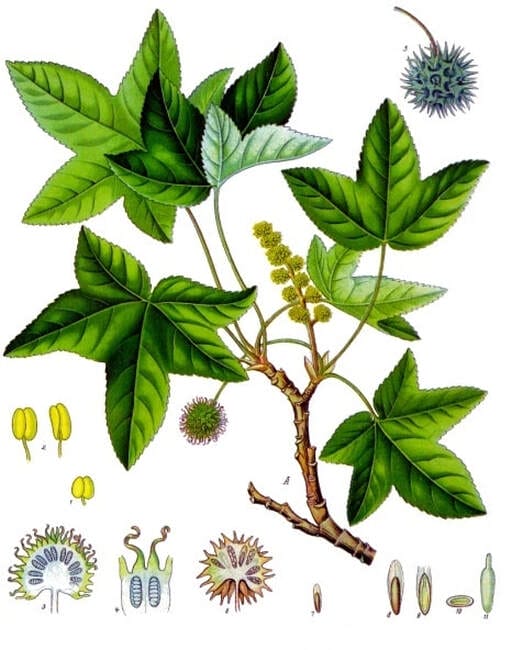
Liquidambar orientalis, the modern source of Storax
Köhler’s Medizinal-Pflanzen, 1897
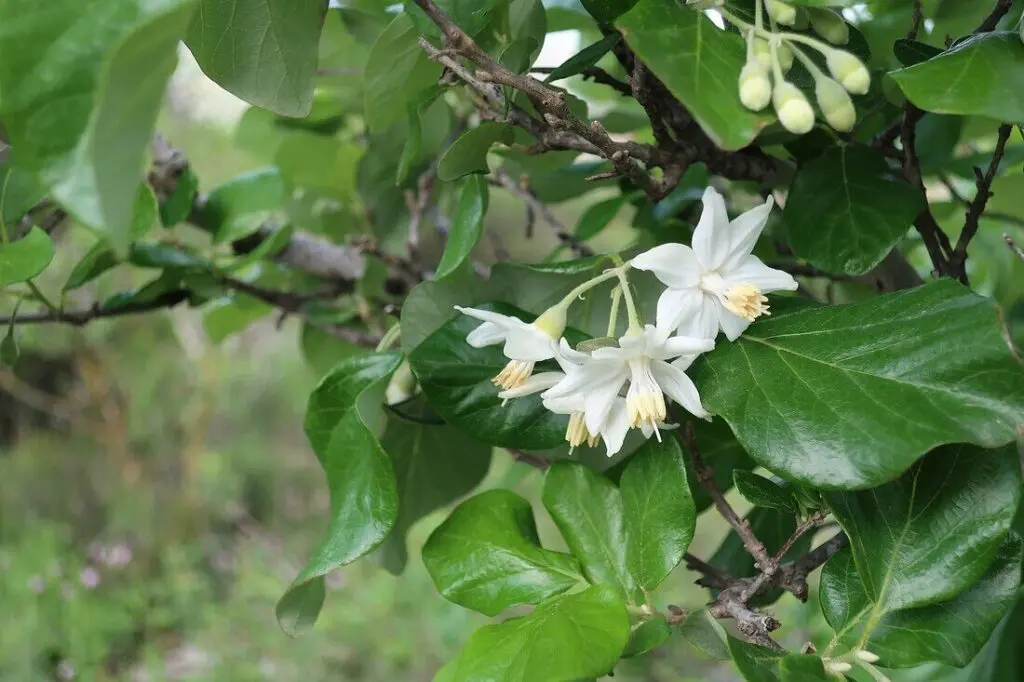
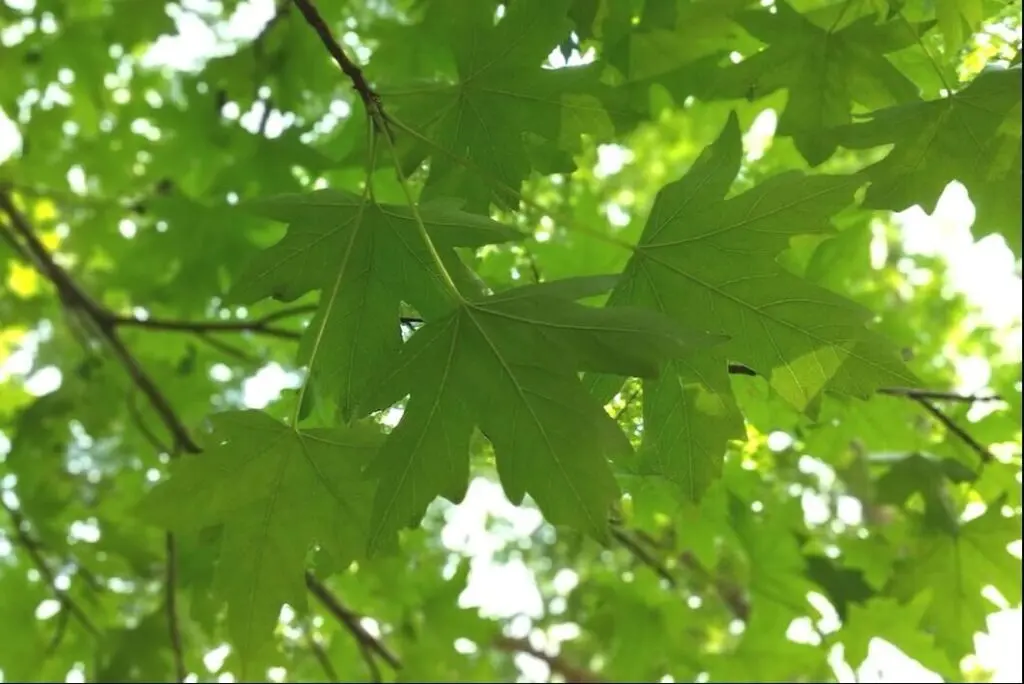
Liquidambar orientalis
(Photo by Rohit Naniwadekar) (Wikimedia)
Botanical name:
Styrax officinalis
The official product as used in antiquity is largely unavailable on the modern market.
Today, Storax is supplied by various plants:
1. Liquidambar orientalis (“Liquid Storax”) supplies the market today (Turkey, Greece)
2. L. formosana (Chinese Storax)
3. L. styraciflua (American)
4. Altingia excelsa also supplies the modern Storax (especially in India)
Parts used:
Gum; Dry (Storax Calamita) and Liquid Storax was used
(See more on Storax varieties in the Comments below)
Avicenna listed several varieties:
1. Drug which exudes itself; yellowish becoming golden-yellow with age; considered best|
2. That obtained by boiling the bark is what gave ‘Liquid Storax’
3. Sediment or ‘oil cake’ remaining after extracting Liquid Storax was called ‘Storax Calamita’, or ‘Dry Storax’.
4. The variety obtained after the bark is peeled is black in color
Temperature & Taste:
Warm, dry. Pungent, Aromatic
“It is hot in the first and dry in the second degree” (Avicenna)
Classifications:
2H. CARMINATIVE. 2L. EMOLLIENT. 2U. SUPPURATIVE. 2V. EXPEL PUS
3D. CORDIALS & CARDIACS. 3L. ANTI-TUSSIVE.
4a. CEPHALIC. 4c. CARDIAC. 4e. STOMACHIC. 4k. ARTHRITIC
Exhilarative
TCM:
J. Aromatics that Open the Orifices
Uses:
1. Opens the Orifices, Clears the Mind, Clears Wind and Phlegm:
-loss of consciousness and loss of Speech following a stroke; sequelae of apoplexy .
-Brain or nervous system obstructed by Phlegm or Damp: delirium, coma, gurgling sound in the throat, and a rapid, flooding pulse. This condition can arise from strokes, severe febrile diseases, Epilepsy, and some mental illnesses.
-‘dredges through all the orifices’. (Li Shi Zhen)
-‘Long¬term use of the drug makes one more intelligent, feel happy and vigorous and able to enjoy a long life’. (Ming Yi Bie Lu)
-Melancholy, Anxiety, Depression.
2. Moves the Blood, Opens Obstructions, Clears Wind-Phlegm:
-heart disorders such as Angina, Coronary Heart Disease etc. where there is phlegm present
-Scrofula, Nodes and other phlegm swellings
-all hardness and obstructions of the Womb, Spleen, Kidneys, Muscles, Joints and Tendons. (West, West)
-‘Barrenness’ (Infertility)
-“It softens the hardness of the Uterus” (Avicenna)
-“It dredges through all the orifices and circulates along all Viscera and Bowels. So it disperses all kinds of vicious Qi resting within the body”. (TCM: Li Shi Zhen)
-“strengthens the nerves and proves to be useful in twisting of joints both when taken orally or applied as a paint” (Avicenna
3. Warms the Lungs, Clears Phlegm:
Coughs, Hoarseness, loss of Voice; useful in chronic Bronchitis. (since Dioscorides)
-“Storax is useful ill chronic cough, phlegm and pain in the throat” (Avicenna)
-“Fumigation with liquid and dry storax cures Catarrh” (Avicenna)
4. Resists Poison.
–Pliny listed it for Cold poisons including Hemlock.
-‘prevents attacks of vicious agents, kills evils and devils’. (Ming Yi Bie Lu)
-also listed for Gu syndrome (Parasites) and Worms (Ming Yi Bie Lu)
5. Yogavaha:
-enhances the effect of medicines it is combined with.
6. Externally:
-in cosmetics to improve skin tone.
-topically for Eczema
-as a parasiticide in Lice and Scabies; for this purpose, it is made into an Oil (1:1) using Olive or Sesame Oil.
-ointments for Hemorrhoids and Herpes. (TCM, West)
-dropped into the ear for Tinnitus
-applied to Orchitis in Unani, where it is said to be very effective.
-mixed with olive oil and applied to Paralysis, Tetanus, Rheumatism and Gout.
Dose:
Liquid Storax: 1–4 grams
Dry Storax: 500mg–2 grams
Correctives:
1. Mastic
2. Tragacanth (Unani)
Substitutes:
1. Barberry and Castoreum (Unani)
2. Benzoin
Main Combinations:
1. Hoarseness, tickling sore Throat, Storax with Frankincense, Myrrh and Licorice juice (as in Pills of Storax)
2. Catarrh, Storax with Myrrh, Saffron, Indian Spikenard (as in Confection for Catarrh)
3. Asthma and Bronchitis, Storax with Sublimed Sulphur and Benzoin (as in Pills of Storax)
4. To clean Viscid Phlegm, dry Storax with Almond Gum (Avicenna)
5. Stroke associated with Wind-Phlegm:
i. Storax, Musk, Borneo Camphor, Cinnabar
ii. Storax, Calamus, Frankincense, Nutmeg, Saffron
iii. Storax, Tabasheer, Frankincense, Indian Spikenard, Aloeswood, Nutmeg, Clove
6. Heart Disease and Angina Pectoris:
i. Storax, Borneo Camphor (83% effective in a clinical trial)
ii. Storax, Musk, Saffron
iii. Storax, Musk, Aloeswood
iv. Storax, Costus, Sandalwood, Borneo Camphor, Cinnabar (91% effective in a clinical trial)
v. Storax with Frankincense, Borneol Camphor, Sandalwood (TCM)
vi. Storax, Cinnamon, Frankincense, Clove, Valerian, Saffron, Camphor
7. Chest and abdominal pain from Cold-Phlegm:
i. Storax with Galangal, Cinnamon, Nutmeg
ii. Storax with Aloeswood, Sandalwood, Cyperus rotundus, Clove (TCM)
Major Formulas:
Powder of Happiness (Letificans)
New Rose Powder (Rosata Novella) (Nicolas)
Surgeon’s Musked Troches (Alipta Muscata) (Nicholas)
Antidote Appropriate for Cough (Nicholas)
Antidote Proven for Diverse Diseases (Nicholas)
Beautiful Anodyne Antidote
Triphera Greater (Nicholas)
Electuary for Asthma (Rhazes)
Electuary of Orris Root (Diaireos Salomonis) (Nicholas)
Electuary of Frankincense (Diaolibanum) (Nicholas)
Electuary of Sulphur (Unani)
Medicine to Defend the Base from all Danger
Restorative Electuary (Antidotus Analeptica) (Nicholas)
Confection for Catarrh
Pills of Storax (Mesue)
Pills for Catarrh
Expert Pills for Cough
Pills Proven for Coughs (Galen)
Su He Xiang Wan
Shi Xiang Fan Sheng Wan
Cautions:
1. Generally not used during Pregnancy.
2. Not used in Coma associated with High Fever
3. Pliny said moderate doses dispel Melancholy, large doses causes it.
Main Preparations used:
Distilled Oil, Infused Oil
OIL of STORAX
i. Oil of Almonds 1 pound
Storax, powdered. 4 oz.,
Put into a jar, stop it well and put it near the fire to melt the Storax. Then while hot, add half ounce powdered Mastic and mix well. When Cold, strain and press it well and keep for use.
To have it more odoriferous, add Benzoin 1 oz., Clove ½ ounce.
Click the above Tabs for more information on this medicine
Pliny on Storax:
‘In speaking too of the exotic trees, we have made mention of the properties of storax. In additiont ot hose which we have already mentioned, it ought to be very unctuous, without alloy, and to break to pieces in whitish fragments. This substance is curative of cough, affections of the fauces, diseases of the cheat, and obstructions or indurations of the uterus. Taken in drink, or employed as a pessary, it acts as an emmenagogue; it has a laxative effect also upon the bowels. I find it stated that, taken in moderate doses, storax dispels melancholy; but that when employed in large quantities, it promotes it. Used as an injection it is good for singings in the ears, and employed as a friction, for scrofulous swellings and nodes of the sinews. It neutralizes poisons of a cold nature, and consequently, hemlock.’ (The Natural History of Pliny, trans. by Bostock and Riley, Vol. 5, 1856)
Research on Styrax officinalis
GENERAL / REVIEW:
–Styrax spp.: Habitat, Phenology, Phytochemicals, Biological Activity and Applications.
–Saponins from Styrax officinalis.
Research on Liquidambar orientalis and L. formosana
GENERAL / REVIEW:
–Comprehensive analysis of volatile compounds in hybrid sweetgum population and other Liquidambar species by HS-SPME-GC-MS.
–Evaluation of the Potential Therapeutic Properties of Liquidambar orientalis Oil.
ANTIBACTERIAL
–The antimicrobial activity of Liquidambar orientalis mill. against food pathogens and antioxidant capacity of leaf extracts.
–A study on inhibitory effects of Sigla tree (Liquidambar orientalis Mill. var. orientalis) storax against several bacteria.
–The Essential Oil Composition and Antimicrobial Activity of Liquidambar formosana Oleoresin.
–Structures and Antibacterial Properties of Isorugosins H-J, Oligomeric Ellagitannins from Liquidambar formosana with Characteristic Bridging Groups between Sugar Moieties.
ANTI-INFLAMMATORY
–Five anti-inflammatory compounds from the resins of Liquidambar orientalis.
–Liquidambarines A – C, three new abietane diterpenoids from Liquidambar formosana Hance and their anti-inflammatory activities.
SEDATIVE
–Sedative and anticonvulsant activities of styrax after oral and intranasal administration in mice.
ANTICONVULSANT
–Sedative and anticonvulsant activities of styrax after oral and intranasal administration in mice.
ANTI-ULCER
–Characterization of volatiles and anti-ulcerogenic effect of Turkish sweetgum balsam (Styrax liquidus).
HEPATOPROTECTIVE
–Protective effect and antioxidant role of sweetgum (Liquidambar orientalis) oil against carbon tetrachloride-induced hepatotoxicity and oxidative stress in rats.
CARDIOPROTECTIVE
–Styrax (Liquidambar orientalis Mill.) promotes mitochondrial function and reduces cardiac damage following myocardial ischemic injury: the role of the AMPK-PGC1alpha signaling pathway.
ANTI-THROMBOTIC
–Effects of grafting on chemical constituents, toxicological properties, antithrombotic activity, and myocardial infarction protection of styrax secreted from the trunk of Liquidambar orientalis Mill.
ANTIANGIOGENIC
–Pentacyclic Triterpenes from the resin of Liquidambar formosana have anti-angiogenic properties.
ISCHEMIC STROKE
–Protective effect and mechanism of styrax on ischemic stroke rats: metabonomic insights by UPLC-Q/TOF-MS analysis.
CANCER
–Investigation of Cytotoxic and Apoptotic Effects of Styrax Liquidus Obtained From Liquidambar orientalis Miller (Hamamelidaceae) on HEp-2 Cancer Cell with Caspase Pathway.
–The Phytochemical Profile and Biological Activity of Liquidambar orientalis Mill. var. orientalis via NF-kappaB and Apoptotic Pathways in Human Colorectal Cancer.
–Liquidambar orientalis Mill. gum extract induces autophagy via PI3K/Akt/mTOR signaling pathway in prostate cancer cells.
You must be logged in to view this content, please login. If you're not a member then Click this link to subscribe

Varieties of Storax
1. Storax
was Liquid Storax or the more precious resin of Styrax officinalis
It was correctly determined by Krinos, but his information on the subject published in a Greek newspaper in 1841, and repeated by Kost in 1855, attracted no attention in Western Europe. The question was also investigated by one of the authors of the present work, whose observations, together with a figure of Liquidambar orientalis Miller, were published in 1857.’ (Pharmacographia, Fluckiger & Hanbury, 1879)
2. Storax Calamita
3. Liquid Storax
The author of the Tuhfat-el-Muminin says :— Daru or Zaru is the name of an Arabian tree like the oak; its fruit is like that of the Butin (Pistacia terebinthus), but its seeds are larger, the gum of this tree is storax (Hassi luban), and has already been noticed. The wood, leaves and fruit are hot and dry, and a decoction of them with sugar, when brought to the consistence of a syrup by boiling, is used for roughness of the throat and cough. The oil of the seeds is odoriferous and dissolves phlegmatic humours; it is useful in dyspepsia, and in the scabby eruptions of animals (mange). The author of the Makhzan-el-Adwiya says :— “Rasimilius is a Greek name for a kind of incense called in Arabic [?] and in Hindi [?] (Western Frankincense).” In another place, speaking [?], he says the Greek name is Fazukus [?]. In Bombay it is always called Silaras, and is noticed in Sanskrit works as Silhaka, and described as a product of Turkey. The Hindus use it chiefly for perfuming medicinal oils, but are aware of its pectoral qualities, and occasionally prescribe it. In Arabic and Persian works Liquid Storax is called Meah-sayelah and Lubni, and is described as the gum or juice of a tree resembling the quince. Three kinds are generally mentioned— viz., 1st, that which exudes naturally; 2nd, that which is obtained by pressing the bark; and 3rd, that which is obtained by boiling it. These three kinds, however, are not at the present time distinguished in commerce in Bombay, though the article may vary in quality considerably. Storax is considered by the Mahometans to be tonic, resolvent, suppurative, and astringent; it is prescribed as a pectoral, and is thought to strengthen all the viscera ; applied externally it is supposed to have a similar action upon the parts with which it comes in contact. It is a favourite application to swellings, and in Bombay is much used in orchitis, the inflamed part being smeared with it and then bound up tight in tobacco leaves. The Burmese Storax noticed in the Pharmacopoeia of India is not known in Bombay. Much interesting information regarding the history and sources of Storax may be found in the Pharmacographia’. (Vegetable Materia Medica of Western India, Dymock, 1885)