Selinum wallichianum, Tang kun ཏང་ཀུན་
Tang kun (Tibet)
Mura (Root, Ayurveda)
Mural (Siddha)
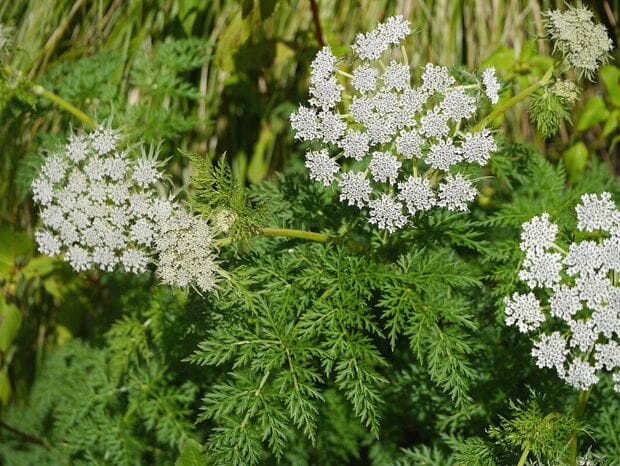
Selinum wallichianum
(Photo by Dinesh Valke) (Wikimedia)
Botanical name:
Two main herbs supply Tang kun:
- Tang kun dkar po (‘Female’): Selinum wallichianum (syn. S.tenuifolium, S. candollei, Peucedanum wallichianum, Ligusticum coniifolium)
- Tang kun nag po (‘Male’): Sinolimprichtia alpina
However, a number of species have been given, used in different areas where Tibetan Medicine is used:
- Peucedanum violaceum (Tang kun dkar po)
- Angelica sinensis (Dang Gui)(Tang kan)
- Cnidium dahuricum (Tang ku)
- Pleurospermum franchetianum; P. hookeri in Bhutan (Tang kun dkar po)
- Chaerophyllum reflexum
- Cimicifuga foetida (Tang kun nag po)
Russian (Buryat) sources also list Cnidium dahuricum for Tang kun.
Parts used:
Root; Seed; Whole herb in flower
Temperature & Taste:
Cool, dry. Bitter, Pungent, Sweet
Uses:
1. Clears Wind-Heat, Resists Poison:
-Fever (Ayurveda, Tibet)
-acute Wind-Heat disorders
-General Antidote to Poison
-burning feeling of the body (Ayurveda)
2. Moves Qi, Settles Wind, Stops Spasms:
-Dizziness, Syncope, Fainting (Root, API)
-Dyspnoea, Asthma (Root, API)
-Colic, Gastritis, Intestinal pain
-diseases from admixture of Wind-Phlegm (Tibet)
-Tumors
3. Clears Heart Fire:
-Heat disorders of the Heart
-also for Thirst (Ayurveda)
4. Externally:
-topically to Cuts and Wounds, and to stop bleeding
Dose:
Root or Seed Powder: 1–3 grams
Substitute:
1. Tang kun and Indian Spikenard (Nardostachys jatamansi) have been used as substitutes for one another.
2. Angelica officinalis is used for Tang kun nag po by Tibetans in Buryat region. As noted above, Angelica sinensis (Dang Gui) is also listed by some sources.
3. Celery root has also been listed as a substitute for Tang kun in Buryat.
4. Caraway is used for Tang kun dkar po by Tibetans in Buryat.
5. Azurea trilobata is used for Tang kun dkar po by Tibetans in Buryat region.
6. Cortia depressa is used for Tang kun nag po in Nepal.
7. Hymenidium hookeri is used for Tang kun dkar po in Nepal.
Main Combinations:
1. Cancer: Tang kun (Dang Gui is usually used), Ba spru (Mirabliis; but Peony is usually used), Costus, Clove, Aconitum ferox; Ginger is added in some cases (as in Selinum 6)
Major Formulas:
Selinum 6 (Tang kug drug thang)
Undying Aloeswood 8 (Chi med a gar brgyad pa)
Cautions:
Slightly toxic. Avoid overdose.
Main Preparations used:
You must be logged in to view this content, please login. If you're not a member then Click this link to subscribe