Securinega, Yi Ye Qiu 叶秋
Yi Ye Qiu (TCM)
Vellaippula (Siddha)


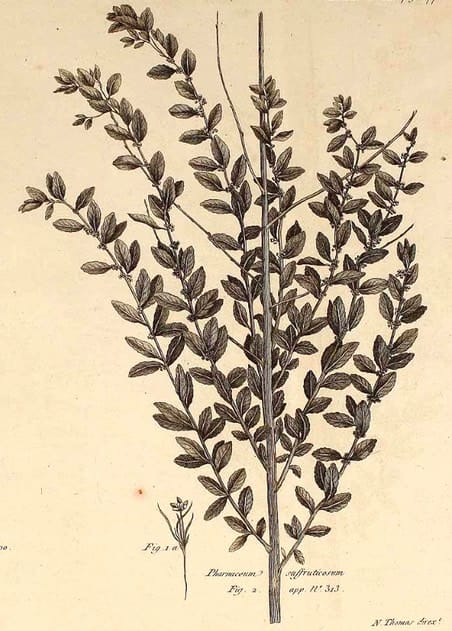
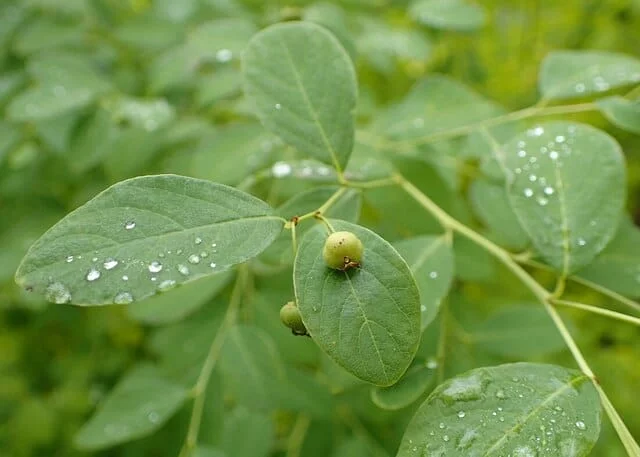
Botanical name:
Securinega suffruticosa (syn. S. ramiflora, Flueggea suffruticosa, Pharnaceum suffruticosum, Chenopodium suffruticosum)
Securinega virosa is also used.
Parts used:
Root, Twig
Temperature & Taste:
Warm, dry. Bitter, Pungent. Slightly Toxic (Root is most Toxic)
Constituents:
Alkaloids: securinine, allosecurinine, dihydrosecurinine, securinol A, B and C, securitinine; Leaf contains clinine and monophylline.
Uses:
1. Settles Wind, Stops Spasms
-Neuralgia, Neuritis, Numbness
-Paralysis, including that following infectious diseases, Facial Paralysis, Hemiplegia
-sequelae of poliomyelitis
-Neurasthenia, Depression, Schizophrenia, Senile Dementia
-Vertigo, Deafness-root decoction is used in India to promote sleep
2. Strengthens the Kidneys, Warms the Yang, Benefits the Sinews and Bones:
-Impotence, Sexual Debility
-Lumbago
-Leukorrhea
Dose:
Twig in Decoction: 6–9 grams
Substitute:
1. It is sometimes used as a substitute for Nux Vomica.
Main Combinations:
Major Formulas:
Cautions:
1. Not used during Pregnancy
2. Avoid overdose.
Main Preparations used:
POTENT CNS STIMULANT
Securinine is a CNS stimulant, similar to strychnine but less toxic. Small doses excite nervous system and quicken reflexes. Large doses causes strychnine-like convulsions.
CARDIOTONIC:
Stimulatory effect on Heart muscles.
STIMULATES RBC PRODUCTION:
IP injection of clinine stimulated mouse bone marrow.
NEUROPROTECTIVE / PARKINSON’S DISEASE:
4. ANTI-CANCER:
–L-securinine inhibits the proliferation of A549 lung cancer cells and promotes DKK1 promoter methylation
–Induction of human chronic myeloid leukemia K562 cell apoptosis by virosecurinine and its molecular mechanism
–Virosecurinine induces apoptosis in human leukemia THP-1 cells and other underlying molecular mechanisms
–Securinine from Phyllanthus glaucus Induces Cell Cycle Arrest and Apoptosis in Human Cervical Cancer HeLa Cells
–L-securinine inhibits cell growth and metastasis of human androgen-independent prostate cancer DU145 cells via regulating mitochondrial and AGTR1/MEK/ERK/STAT3/PAX2 apoptotic pathways
You must be logged in to view this content, please login. If you're not a member then Click this link to subscribe