Potentilla anserina, Gro lo sa ‘dzin
Potentilla anserina, Gro lo sa ‘dzin གྲོ་ལོ་ས་འཛིན་
Silverweed, Silver Cinquefoil, Wild Tansy
Gro lo sa ‘dzin (Tibet)
E Rong Wei Ling Cai (TCM)
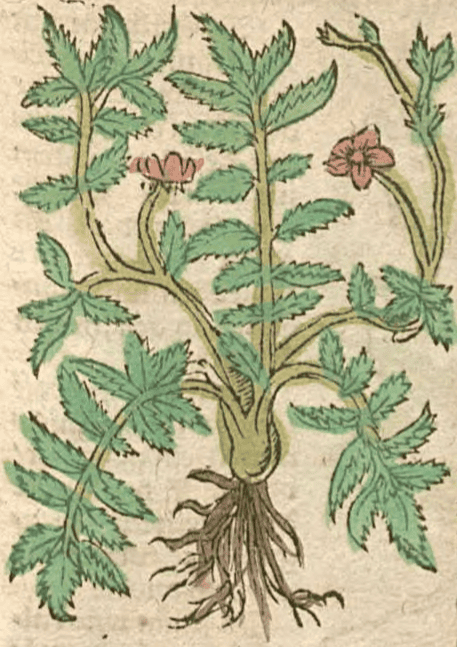
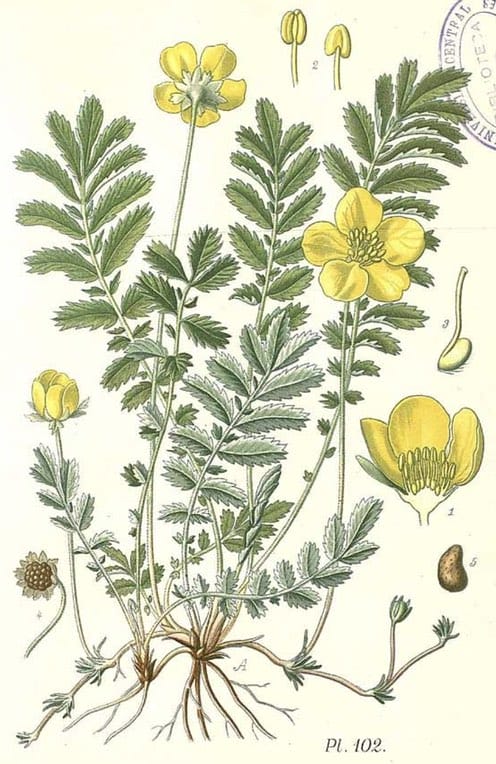
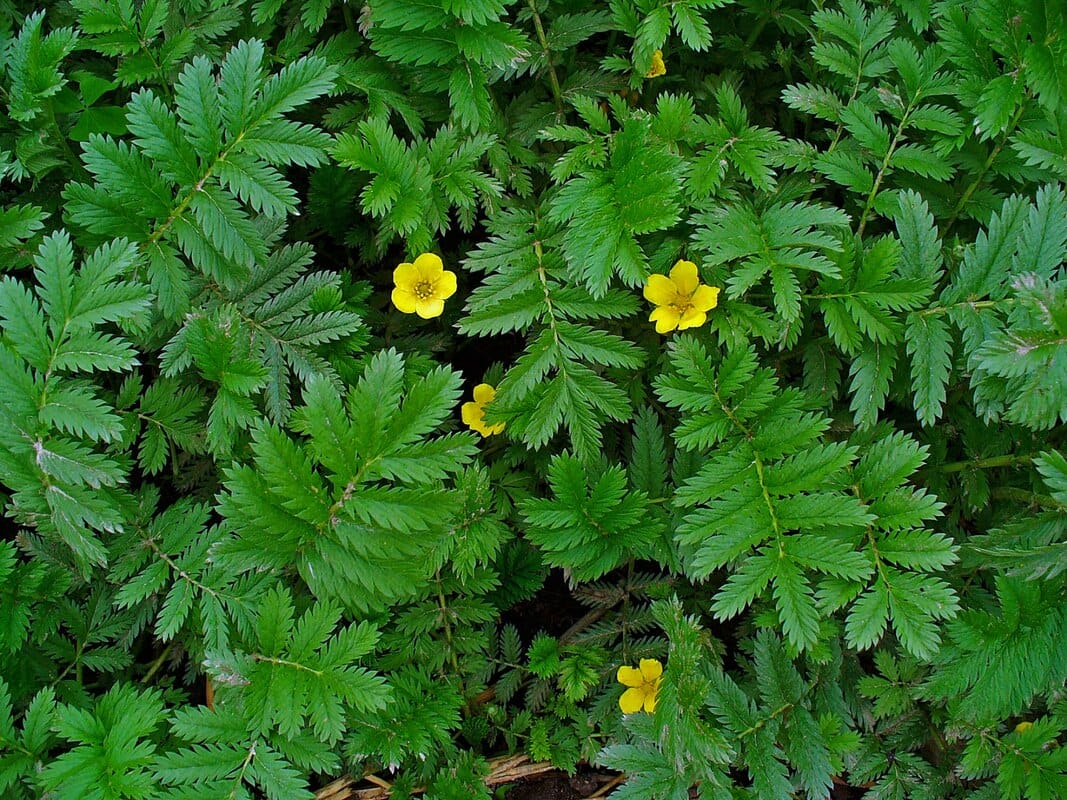
Botanical name:
Potentilla anserina (syn. Argentina anserina)
Potentilla fruticosa is said to be used synonymously (Khare)
Also used in Tibetan Medicine:
- Potentilla microphylla (syn. Argentina microphylla) – Gro lo sa ‘dzin chung ba
- Potentilla peduncularis (syn. Argentina peduncularis) – Gro lo sa’ dzin che ba
Parts used:
Flowering aerial parts (Europe)
Root (Tibet)
Temperature & Taste:
Cool, dry. Sweet
Some Tibetan texts state that it is Warm when collected in Autumn, Cool when collected in Spring
Uses:
1. Strengthens Spleen and Stomach, Tonify Qi and Blood: (Root, TCM, Tibet)
-fatigue, debility during convalescence
-Diarrhea due to Spleen deficiency
-increases strength (Tibet)
-‘strengthens the tone of all internal parts’ (Bates)
-root is most used for this function
2. Moves the Blood, Settles Wind, Eases Pain:
-Headache
-Spasms, Cramps, abdominal cramps
-Dysmenorrhea
-Anti-hypertensive
-Cancer (Liver, Spleen, Intestine–Duke)
3. Stops Leakage and Bleeding:
-Diarrhea
-Leukorrhea, excess Menstruation
-Coughing or Spitting Blood (Culpeper)
-taken internally for Hemorrhoids
-Hernia in children (Culpeper)
4. Externally:
-as a wash for bleeding Piles
-fomentation to cramps
-prevent pitting by Small Pox (fomentation)
-Freckles, Spots, Pimples in the face, Sunburn (distilled water of the herb)
-hot, inflamed eyes, drop in the distilled water
-gargle for mouth and throat inflammation
-old, moist, running sores of the leg
Dose:
Infusion (Herb): 2–4 grams
Decoction (Root): 3–6 grams
Root Powder: 1–3 grams
Quiddonie: 1–2 oz. (Bates)
Comment:
1. Roots have traditionally been boiled or roasted in Europe and eaten where they are said to have a sweet taste similar to Parsnip. Tibetans cook them with butter and sugar.
2. As an astringent, it has mild effect. However, due to its mild tonic nature it is effective for leakages associated with Qi deficiency.
Main Combinations:
1. Diarrhea (mild, or in children):
i. Silverweed, Raspberry leaf, Plantain leaf
ii. Silverweed, Agrimony, Camomile
2. Gastritis, Silverweed, Gentian, Centaury, Bitter Orange peel, Myrrh, Frankincense (Vogel)
3. Leukorrhea, Silverweed with White Coral
4. Hernia in children, decoct and add Salt (Culpeper)
5. Toothache, loose teeth, mouth and gum sores, decoct in vinegar and add Honey and Alum (Culpeper)
Major Formulas:
Cautions:
None noted
Well tolerated but may occasionally cause mild gastric irritation.
Main Preparations used:
Click the above Tabs for more information on this medicine
You must be logged in to view this content, please login. If you're not a member then Click this link to subscribe