Phlomis younghusbandii, Lug Mur ལུག་མུར
Jerusalem Sage
Lug Mur (Tibet)
Pang Xie Jia, Kuai Jing Cao Su (TCM)
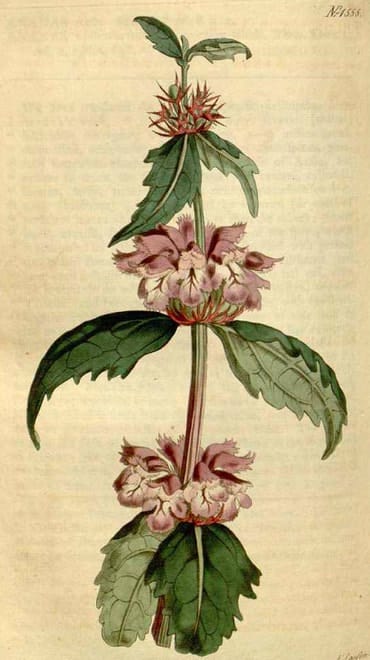
Phlomis tuberosa
Curtis’s Botanical Magazine (1813)
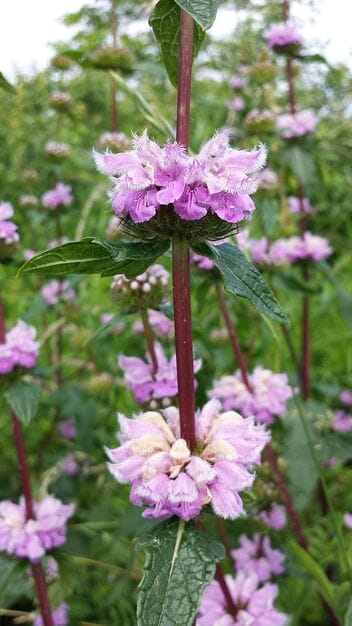
Phlomis tuberosa
(Photo by Stefan.lefnaer) (Wikimedia)
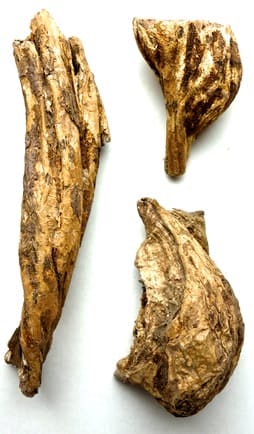
Phlomis root (Adam, 2016)
Botanical name:
Phlomis (syn. Phlomoides) spp:
- P. younghusbandii (syn. P. kawaguchii, P. tuberosa)
- P. bracteosa and P. macrophylla are used in Nepal.
Tibetan texts recognise 3 types of Lug mur:
- Male (Pho): white, solid, hard root with strong energy
- Female (Mo): large, hard solid root with bitter taste
- Neuter (Ma ning): white,. soft, fine root with medium energy
Parts used:
Root
Temperature & Taste:
Neutral/Warm, Sweet
Uses:
1. Clears Heat, Benefits Lungs, Stops Cough:
-Cough, Bronchitis, Asthma
-Pharyngitis
-Common Cold, Influenza with Fever
-burning sensation in the chest
-Chronic Lung disorders, Tuberculosis
2. Moves the Blood, Resolves Masses:
-Benign and Malignant tumors
-effective in healing Wounds
-purulent sores
Dose:
Powder: 1–3 grams
Decoction: 6–9 grams
Substitute:
Phlomis is used synonymously with China root (Smilax spp) in Tibetan Medicine of the Buryat region.
Main Combinations:
1. Hot, dry, sore throat, Cough with Phlegm, Asthmatic cough, Phlomis Lug Mur with Clove, Tabasheer, Chebulic Myrobalan, Licorice, White Sandalwood (as in Phlomis 7 of Tibetan Medicine)
Major Formulas:
Heroic Conquer of Acute Diseases 14 (Cham ‘joms dpa’ po bcu bzhi)
Phlomis 7 (Lug mur bdun pa)
Cautions:
None noted.
Main Preparations used:
Click the above Tabs for more information on this medicine
You must be logged in to view this content, please login. If you're not a member then Click this link to subscribe