Lapis Ammonites
Snake-Stone, Ammonite, Cornua Ammonis, Draconites
Shi She 石 蛇 (‘Snake Stone’, TCM)
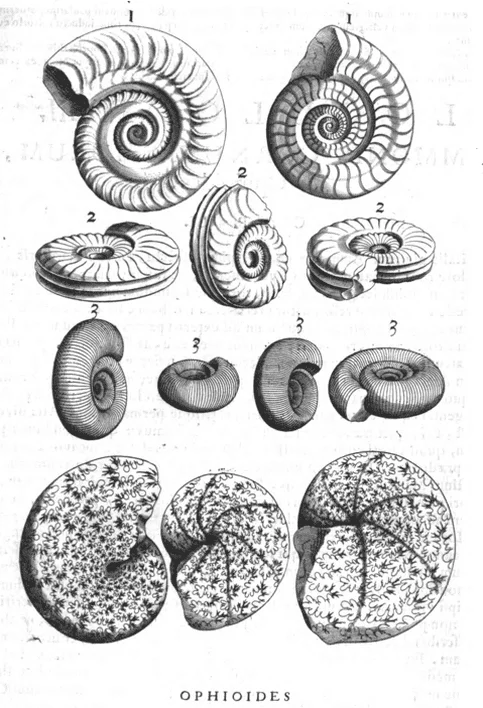
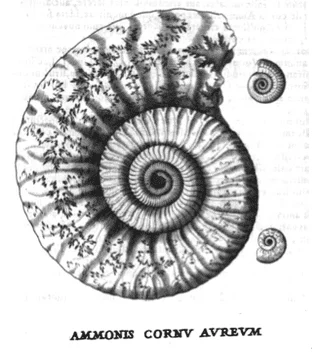
Metallotheca Vaticana, Mercati, 1719
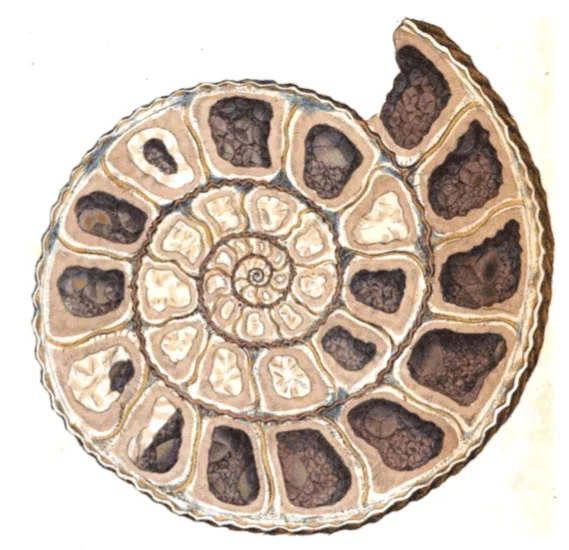
Cross section of Ammonite
British Mineralogy, Sowerby, 1804
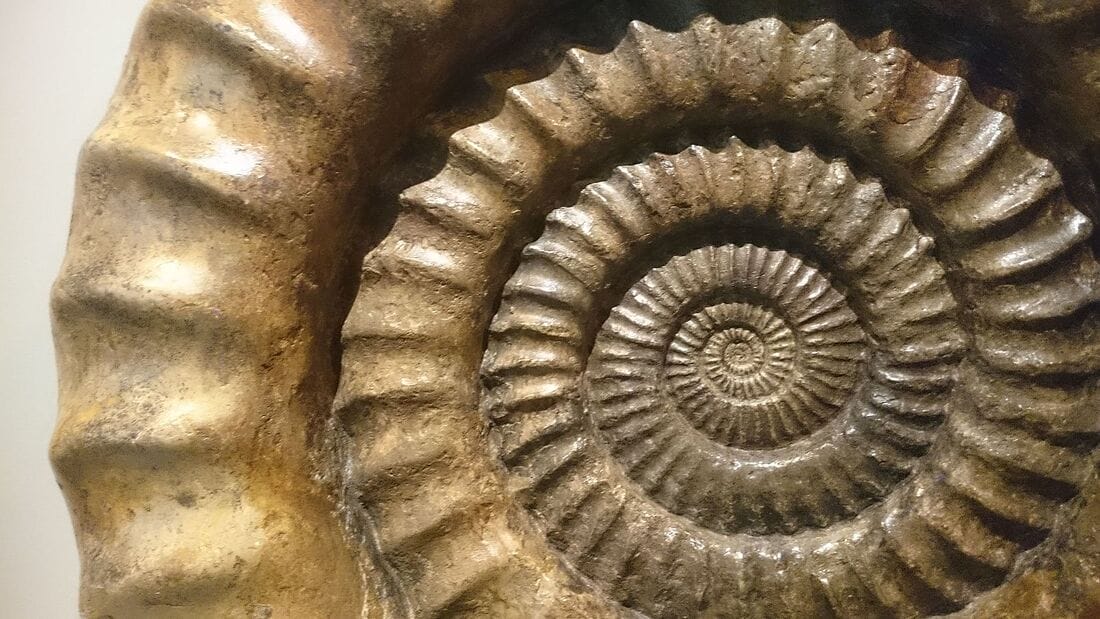
Ammonite
(Photo by Mokkie) (Wikimedia)
Lapis Ammonite was occasionally listed in Materia Medica, but rarely were there any medical uses given.
As it resembled a coiled up snake, it was apparently used as an amulet against Snake Bite, and against Poison. They were also used in Magic. They have been known as Snake Stone in both Europe and China, and were traditionally sometimes called Draconite, Dragon Stone.
Ancient Greeks used it for Insomnia and to promote pleasant dreams by putting under the pillow. Held as a charm were believed to prevent Snake bite.
It was known in ancient China, although rarely used. “It resolves the poison of metals and minerals”. (Su Song)
Some Chinese sources said they are similar to “Stone Crabs” (fossil Crabs), and could be used similarly.
In Folk traditions they were used for Impotence and Infertility. In a Greek tradition an ammonite is steeped in water before a wedding, then the couple drink the water for 40 days to ensure Fertility.
In old TCM texts there is mention of its use against Metal and Mineral Poisons. (Porter-Smith)
In general, we could expect it to have properties of similar fossils: cool, dry, the heaviness and ancient nature settling Wind and calming the Mind and Spirit.
You must be logged in to view this content, please login. If you're not a member then Click this link to subscribe