Marrubium, Horehound
Prassium
Ou Xia Zhi Cao (TCM)

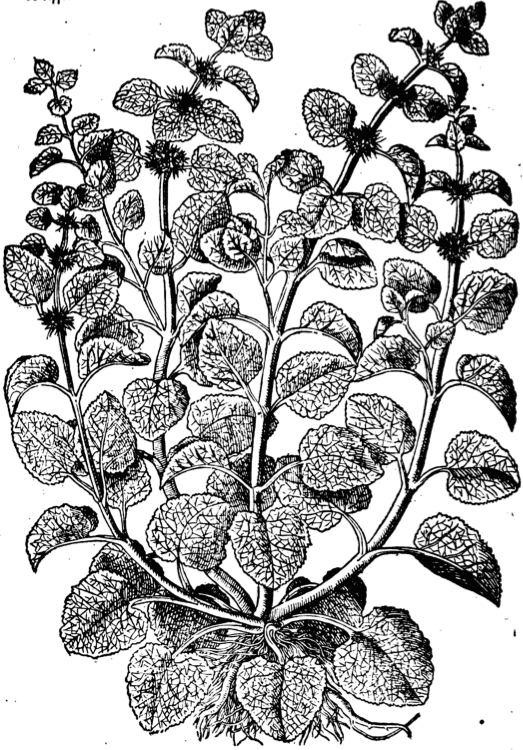
New Kreuterbuch, Matthiolus, 1563
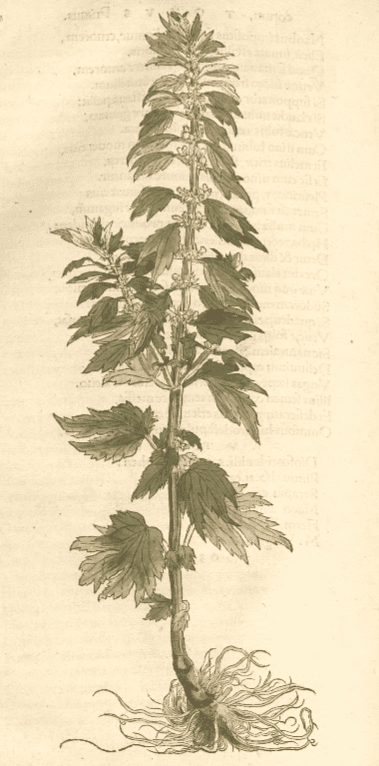
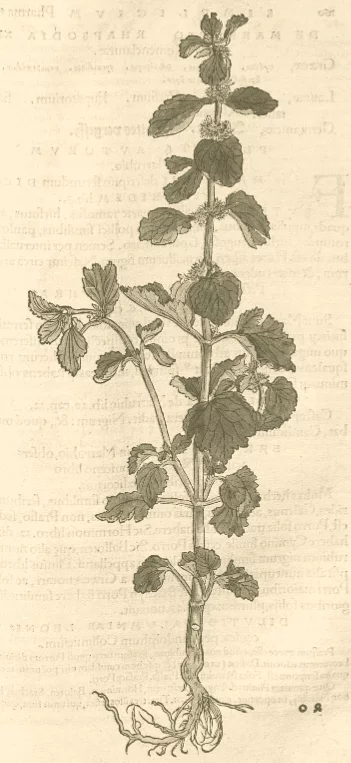
Two varieties of Marrubium traditionally used
Herbarum Vivae Eicones, Otto Brunfels, 1530
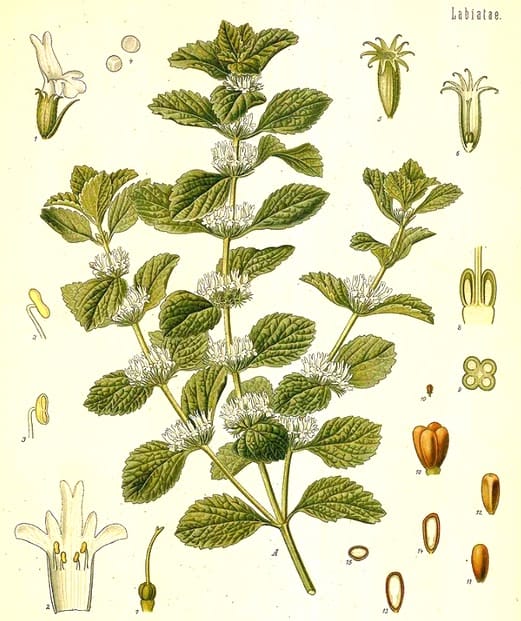
Koehler, F.E., Medizinal Pflanzen (1890)
Botanical name:
Marrubium vulgare (syn. M. album)
Parts used:
Herb
The dehydrated juice was previously used.
Temperature & Taste:
Warm, dry. Bitter, slightly Pungent
Some considered in Cool.
“Hot and Dry in the third degree”. (Villanova)
Classifications:
2A APERIENT MEDICINES. 2K. RESOLVENT
3G. EMMENAGOGUE. 3K. EXPECTORANT. 3L. ANTI-TUSSIVE
4d. PECTORAL. 4f. SPLENETIC. 4g. HEPATIC
Uses:
1. Benefits the Lungs, Clears Phlegm, Stops Cough:
-non-productive Cough, Bronchitis, Wheezing, Whooping Cough, Shortness of Breath
-Consumption, Spitting of Blood, Lung Ulcers (Syrup of the Juice made with honey)
–Culpeper said it is specially good for old people with cold, thin phlegm
-“The juice or seed of this herb, if boiled in wine with honey, and given to drink, helps with Coughs and Shortness of Breath”. (Dorsetn, 1540)
-“Dried leaves of Horehound, decocted with water, or the juice tempered with honey, is given for shortness of breath, coughing, and fevers”. (Dorsetn, 1540)
-“very proper for Asthmatic Persons”. (The Compleat Herbal, Tournefort, 1719)
2. Clears Damp, Opens obstruction:
-Jaundice, Cholecystitis
-Diarrhea, Dysentery
-Swelling, Hardness or Tumors of the Liver or Spleen (or other abdominal organs)
-Scrofula
-used in Cancer therapy (it is one of the most commonly used plants in various countries including Morocco)
3. Moves the Blood, Promotes Menstruation:
-delayed or clotted Menstruation, Dysmenorrhea
-promotes Labor and eases the pain, promotes Afterbirth
–Hippocrates used it for Infertility.
-“It is given to women who have not been cleansed of their menstrual flow, to draw out menstruation and the afterbirth”. (Dorsetn, 1540)
4. Calms Mind and Nerves, Regulates the Heart:
-Anxiety
-Palpitations, Arrhythmia
-useful for Alzheimer’s Disease and Tramatic Brain Injury (see research below)
5. Clears Wind and Damp, Promotes Urine:
-difficult, painful or burning Urine; Strangury, Dysuria
-swelling of the Joints and stiffness of the Body
6. Benefits the Stomach, Clears Phlegm, Promotes Digestion:
-loss of appetite, dyspepsia, bloating, flatulence (Commission E)
-“For those whose intestines are sore or broken, decoct the Horehound with honey in wine, this drink, taken often cold, is very beneficial”. (Dorsetn, 1540)
-“stengthening the Stomach, and in restraining and putting a Stop to an ill Habit of Body”. (The Compleat Herbal, Tournefort, 1719)
7. Resists Poison:
-Poison; bites of Snakes or Rabid Dogs
-Typhoid
-Scrofula, Boils and Abscesses
-Taken internally for foul, slow-healing sores and ulcers, Abscesses, Tumors etc.
-Itching of the Skin, Eczema (Tetter). (Matthiolus)
8. Used for Diabetes
-traditionally used for Diabetes; confirmed by modern research.
-also to help with Obesity
9. Kills Worms
-used for Worms, especially in children
10. Externally:
-topically for Foul Ulcers, Slow-healing or Creeping Sores, Abscesses (internally and externally with Honey)
-Wounds, Injuries, Bites
-“For Warts, burn Horehound, rub in the ashes. it will cure him”. (Dorsetn, 1540)
-“For Scabies, crush Horehound with fat, and apply”. (Dorsetn, 1540)
-“The leaves, tempered and applied with honey, cleanse Ulcers”. (Dorsetn, 1540)
-The juice was dropped into the eyes to clear the Sight; the juice snuffed up the nose for yellow in the whites of the Eyes, or excess watering of them (Gerard); Juice can be mixed with wine and honey for topical application.
-Eyesight: “The juice dried in the sun, mixed with honey or wine, and applied to the eyes, helps to improve clarity”. (Dorsetn, 1540)
-in oils for Earache, Otitis Media, acute Ear Infection
-Earache: “The juice mixed with olive oil, instilled into the ears, drives away pain”. (Dorsetn, 1540)
-“If anyone falls into languor from work, and has pain in the nerves, anoint with the Horehound decoction mixed with rose oil: it will cure him after a while”. (Dorsetn, 1540)
-Leukorrea, have the woman sit over a the decoction while warm (to allow the steam to rise). (The Compleat Herbal, Tournefort, 1719)
Dose:
1. Taken in Hot Infusion to clear acute Wind-Cold, Cold Phlegm and to promote Sweat.
2. Taken with Alcohol (Tincture, or prepared or Decocted with Wine) to Move the Blood and open obstructions.
3. Larger doses are Diuretic and Laxative.
4. The Fresh herb, juice, or the Conserve is more nourishing and better for chronic coughs, consumption, acting as a nourishing tonic medicine for the Lungs.
Decoction: 2–6 grams, up to 9 grams
Infusion in Wine (1 oz. in 1 liter): 2 tablespoonfuls to one wineglassful twice daily.
Tincture (1:5 in 45% alcohol): 2–6mls, up to 8 mls, 2–3 times daily;
Fluid Extract (1:1 in 25% alcohol): 2–4mls, 2–4 times daily;
Solid Extract: 5–15 grains;
Freshly Expressed Juice: 5–30mls, 2–3 times daily. 1.5 oz. of the juice (diluted with 2 oz. of water) was given for swelling or obstruction of the Liver or Spleen.
Correctives:
1. Licorice, Raisins (Schroder)
2. Aniseed, Fennel seed
Substitute:
Galen said Balm and Horehound acted very similarly
Main Combinations:
Lung
1. Cough:
i. “For a severe Cough, as Apuleius teaches, boil Horehound in water, and give it to him to drink; he who coughs severely, it will cure him wonderfully”. (Dorsetn, 1540)
ii. Cold Cough, Horehound, dry Figs, Licorice decocted in Wine (Villanova)
iii. Horehound with Licorice, Hyssop and Marshmallow
iv. Chronic, Horehound, Hyssop, Comfrey root (equal parts)
v. Horehound with Hyssop, Basil, Maidenhair, Licorice (as in Decoction for Cough and Asthma of Galen)
vi. Horehound with Rue, Hyssop, Oregano, Thyme, Pennyroyal, Aniseed (as in Decoction for Cold Coughs of Nicholas)
vii. Persistent Cough in Children: Horehound, Sundew, Ivy leaf, Plantain (this is a patent medicine in the form of a syrup which has been studied in a double-blind placebo-controlled trial and found effective)
2. Bronchitis, Horehound with Vervain, Hyssop, Licorice
3. Asthma:
i. with Lung weakness, Horehound with Elecampane, Coltsfoot, Licorice (as in Decoction of Horehound)
ii. Horehound with Licorice, Maidenhair, Hyssop, Aniseed, Fennel root, Orris, Fig (as in Syrup of Horehound)
iii. Horehound with Squill, Orris, Hyssop, Myrrh, Saffron (as in Lohoch Effective for Asthma)
iv. from Cold-Phlegm, Horehound with Agaric, Orris, Turbith, Hiera Picra, Sarcocolla, Myrrh (as in Pills of Agaric)
v. Horehound with Birthwort and Lacca (as in Medicament Strong Against Asthma)
vi. Horehound with Parsley root, Elecampane, Fennel root, Licorice, Raisins, Jujube, Coltsfoot, Hyssop, Maidenhair, Aniseed (as in Anti-Asthmatic Syrup)
vii. Horehound with Hyssop, Vervain, Agrimony, Licorice
viii. Cough, Asthma, from thick viscid Phlegm, Horehound, Hyssop, Balm, Figs, Raisins, Licorice, boiled in white wine. (Herbarius latinus, Petri, 1485)
4. Lung diseases, Horehound with Licorice, Fennel root, Maidenhair, Oregano, Hyssop, Thyme, Coltsfoot, Aniseed, Raisins, Figs (as in Syrup of Horehound)
5. Excess mucus of the Lungs:
i. Horehound, Orris
ii. Horehound, Turbith, Agaric
iii. Horehound with Butterbur root, Coltsfoot leaf, St. Johns wort
6. Whooping Cough:
i. Horehound, Thyme, Licorice
ii. Horehound with Aniseed, Coltsfoot, Blessed Thistle
Other
7. Scrofula, Horehound with Herb Robert, Celery, Agrimony, Dill seed (as in Decoction Against Scrofula)
8. Boils and Internal Abscesses:
i. Horehound, Hyssop, Licorice
ii. Horehound with Centaury, Rosemary, Wormwood (as in Decoction for Boils and Abscess)
9. Poison: “If anyone has taken poison, give the Marrubium juice with old wine: it will disperse the poison”. (Dorsetn, 1540)
10. Gall Stones, Horehound with Agrimony, Rhubarb, Restharrow (Pick); in Liver disease, add Elecampane (Flämig)
11. Hardness of the Liver: “A Conserve of the Flowers made with Honey, and an ounce of it taken in the morning, for 40 days, cured a Nobleman of a Scirrhus in his Liver when Chalybeats and other medicines would do no good”. (Pechy)
12. Liver obstruction, Horehound with Chicory root, Agrimony, Maidenhair, Wormwood, Fumitory, Aniseed, Ginger, Raisin, Senna (as in Opening Hepatic Decoction)
13. Jaundice, fresh Horehound (2 oz.), Bugloss, Elecampane, Agrimony (1 ½ drams ea.), Rhubarb, Aloeswood (1 dram ea.), boil in 2 pints of white wine (but if there is fever, in water), taken in doses of 2 ounces.. (Matthiolus)
13. “Strengthen the Stomach and stop an ill habit of Body: Horehound, Gerrymander, Centaury. (Borellus)
13. Painful Obstruction of the Spleen: “To the end that the bad humours may be expelled out of the Milt (Spleen) give the patient an ounce and a half of the juice of Horehound, tempered with 2 ounces of Smallage Water, to drink early in the morning” (Wirtzung)
14. Strangury, Dysuria, Horehound, Fennel seed decocted in wine (Villanova)
15. “Against dysentery, Take fennel and dill in equal parts, and add a third part of the Horehound, and boil it in wine, then strain it through a cloth, this drink will relieve Dysentery”. (Dorsetn, 1540)
16. Intestinal Diseases and obstructed Urine: “With Liocorice and seed of Fennel, decocted in wine to a third, and then strained, and with sugar, it is beneficial against Intestinal diseases and obstruction of Urine”. (Dorsetn, 1540)
17. To promote Menstruation, Horehound with Dandelion root (Klöpfer)
18. Vertigo, Horehound with Lavender, Fennel, Asparagus root, Cinnamon (Culpeper)
19. Worms: “For worms, take equal weights of Horehound, Wormwood, and Lupin, and boil them in water mixed with wine, and apply to the navel twice or thrice, it kills Worms”. (Dorsetn, 1540)
20. Trauma, Bruising, form an Ointment Horehound with Tansy, Wormwood, Horehound, Hops (as in Ointment for Trauma)
21. Hemorrhoids, Horehound and Dill boiled in wine and salt water, sitting over the steam. (Villanova)
Major Formulas
Decoction of Horehound
Decoction for Cough and Asthma (Galen)
Decoction for Cough and Asthma (Dioscorides)
Decoction for Cold Coughs (Nicolas Myrepsus)
Decoction for Boils and Abscess
Decoction Against Scrofula (Fuller)
Syrup of Horehound
Syrup of Horehound of Hamech
Syrup of Horehound (Fernelius)
Anti-Asthmatic Syrup (D’Aquin)
Medicament Strong Against Asthma
Powder for Hardness of the Kidneys
Powder of Aloeswood (Mesue)
Electuary of Horehound (Diaprassium) (Nicholas)
Pills of Agaric
1. Pectoral Potion:
i. Extracts of Horehound, Couch Grass (2 drams each), Dandelion (10 oz.), Oxymel of Squill, Syrup of Fennel (2 oz.). Mix. Dose: half a glassful every 2 hours. (Pharmacopoeia extemporanea, Augustin, 1822)
Cautions:
1. Avoid during Pregnancy (see here)
2. Avoid full doses in people with irregular Heart beats.
3. “It is thought to hurt the Bladder and Kidneys, except it be corrected with Licorice and Raisins”. (Schroder)
Toxicity:
LD50 was higher than 5000 mg/kg body weight in mice
Did not alter the levels of hematological (RBC, WBC) and biochemical parameters; examination of the kidney, liver and spleen tissues showed no adverse effects. (See here)
Main Preparations used:
Distilled Water of the whole plant, Conserve, Juice, Syrup, Extract
1. Conserve of Horehound:
i. Fresh tops of Horehound (1 part), White Sugar (3 parts). Beat.
2. Juice of Horehound:
i. Bruise fresh Horehound with a sprinkle of water, express the juice strongly; set apart, decant to clear juice in bottles, adding to each pound of juice 1 dram of alcohol. Dose: 1–2 oz.
3. Simple Syrup of Horehound:
i. Dried Horehound (2 oz.), Water (2 pounds); infuse, add to the strained liquor Sugar (4 lbs.). Form a syrup, strain. (Pharmacopoeia Hispana, 1798)
ii. Dried Horehound (1 oz.), Distilled Water of Horehound (2 lbs.). Digest 2 hours in a water-bath, covered; strain, filter, add White Sugar (twice the weight). Make a Syrup. (Pharmacopoeia Gallica, 1818)
4. Water Extract:
i. Fresh Horehound, bruise with a little water, strain through a sieve; set aside the juice, decant, coagulate over a gentle heat and strain again. Then evaporate to the consistency of honey, add the fecula from which the juice was obtained and reduce to an extract. (Pharmacopee Usuelle, Louvain, 1821)
5. Alcohol Extract:
i. Horehound, Alcohol (1 pound each), Water (8 pounds). Digest 3 days with a moderate temperature, express; set aside, decant the clear liquor, distil off the alcohol, then evaporate to a proper consistency.
Click the above Tabs for more information on this medicine
-Used since ancient times; Hippocrates listed it around 400BC. Pliny listed many uses and held it as a very important plant.
-The Jews eat the 5 bitter herbs during their Passover, these being Lettuce, Coriander, Horehound, Nettle and Horseradish
GENERAL / REVIEW:
–Marrubium vulgare L.: A Phytochemical and Pharmacological Overview.
–A review of the chemical and pharmacological aspects of the genus marrubium.
ANTIBACTERIAL:
–Rational Design and Virtual Screening of Antimicrobial Terpene-Based Leads from Marrubium vulgare Essential Oil: Structure-Based Optimization for Food Preservation and Safety Applications.
–Biological Activity of Horehound (Marrubium vulgare L.) Herb Grown in Poland and Its Phytochemical Composition.
–Insight into biological activities of chemically characterized extract from Marrubium vulgare L. in vitro, in vivo and in silico approaches.
–The Application of Ultrasonic Waves and Microwaves to Improve Antihyperglycaemic and Antimicrobial Activities of Marrubium vulgare Extracts.
–Chemical Composition and In Vitro Antioxidant and Antimicrobial Activities of Marrubium vulgare L.
–The in-vitro evaluation of antibacterial, antifungal and cytotoxic properties of Marrubium vulgare L. essential oil grown in Tunisia.
ANTI-FUNGAL:
–The in-vitro evaluation of antibacterial, antifungal and cytotoxic properties of Marrubium vulgare L. essential oil grown in Tunisia.
ANTIOXIDANT:
–Antioxidant and Anticancer Activities of Water Extracts from Flowers, Leaves and Stems of In Vitro Cultivated and Wild-Growing Marrubium vulgare Plants.
–UPLC-ESI-QTOF-MS/MS Profiling, Antioxidant, and Cytotoxicity Potentials of Marrubium vulgare L. Extracts: Experimental Analysis and Computational Validation.
–Inhibitory Effects of Marrubium vulgare L. Extract on the Female Hormones Based on Bioautography-HPTLC-MS.
–Chemical Investigation and Antinociceptive Activity Evaluation of Marrubium Vulgare L. Aqueous Extract.
–Insight into biological activities of chemically characterized extract from Marrubium vulgare L. in vitro, in vivo and in silico approaches.
–Chemical Composition and In Vitro Antioxidant and Antimicrobial Activities of Marrubium vulgare L.
ANTI-INFLAMMATORY
–Inhibitory Effects of Marrubium vulgare L. Extract on the Female Hormones Based on Bioautography-HPTLC-MS.
–Anti-inflammatory and antiarthritic properties of Marrubium vulgare aqueous extract in an animal model.
–Marrubium vulgare L. methanolic extract inhibits inflammatory response and prevents cardiomyocyte fibrosis in isoproterenol-induced acute myocardial infarction in rats.
ANTISPASMODIC:
–Antispasmodic effects of hydroalcoholic extract of Marrubium vulgare on isolated tissues.
ANALGESIC:
–Chemical Investigation and Antinociceptive Activity Evaluation of Marrubium Vulgare L. Aqueous Extract.
–Analgesic profile of hydroalcoholic extract obtained from Marrubium vulgare.
ANTI-HYPERTENSIVE:
–Comparative study of the antihypertensive activity of Marrubium vulgare and of the dihydropyridine calcium antagonist amlodipine in spontaneously hypertensive rat.
–Pharmacological evidence of hypotensive activity of Marrubium vulgare and Foeniculum vulgare in spontaneously hypertensive rat.
VASORELAXANT:
–The vasorelaxant activity of marrubenol and marrubiin from Marrubium vulgare.
TRACE MINERALS (Rich in Calcium and Potassium):
–Assessment of Trace and Macro Elements in Medicinal Plants: Implications for Safety and Phytoremediation.
LUNG FIBROSIS:
–Tunisian Horehound (Marrubium vulgare) Aqueous Extract Improves Treatment of Bleomycin-Induced Lung Fibrosis in Rat.
CARDIOPROTECTIVE:
–An investigation on cardioprotective potential of Marrubium vulgare aqueous fraction against ischaemia-reperfusion injury in isolated rat heart.
–Marrubium vulgare L. methanolic extract inhibits inflammatory response and prevents cardiomyocyte fibrosis in isoproterenol-induced acute myocardial infarction in rats.
–Cardioprotective effect of methanolic extract of Marrubium vulgare L. on isoproterenol-induced acute myocardial infarction in rats.
GASTROPROTECTIVE:
–Gastroprotective activity of methanol extract and marrubiin obtained from leaves of Marrubium vulgare L. (Lamiaceae).
HEPATOPROTECTIVE:
–Hepatoprotective activity of white horehound (Marrubium vulgare) extract against cyclophosphamide toxicity in male rats.
–A new monoterpene acid from Marrubium vulgare with potential antihepatotoxic activity.
NEUROPATHIC PAIN
–Therapeutic effect of Marrubium vulgare L. Aqueous extract on chronic constriction injury of sciatic nerve-induced neuropathic pain in mice.
NEUROPROTECTIVE:
–Neuroprotective Effect of Marrubium vulgare Extract in Scopolamine-Induced Cognitive Impairment in Rats: Behavioral and Biochemical Approaches.
ALZHEIMER’S DISEASE:
–Anti-Alzheimer’s Potency of Rich Phenylethanoid Glycosides Extract from Marrubium vulgare L.: In Vitro and In Silico Studies.
–Marrubium vulgare Extract Improves Spatial Working Memory and Oxidative Stress Damage in Scopolamine-Treated Rats.
TRAUMATIC BRAIN INJURY
–Neurobehavioral and Biochemical Evidences in Support of Protective Effect of Marrubiin (Furan Labdane Diterpene) from Marrubium vulgare Linn. and Its Extracts after Traumatic Brain Injury in Experimental Mice.
ARTHRITIS:
–Anti-inflammatory and antiarthritic properties of Marrubium vulgare aqueous extract in an animal model.
ANTI-DIABETIC:
–Insight into biological activities of chemically characterized extract from Marrubium vulgare L. in vitro, in vivo and in silico approaches.
–The Application of Ultrasonic Waves and Microwaves to Improve Antihyperglycaemic and Antimicrobial Activities of Marrubium vulgare Extracts.
–In-Vitro Studies on Selected Jordanian Plants as Dipeptidyl Peptidase-IV Inhibitors for Management of Diabetes Mellitus.
–A review of Algerian medicinal plants used in the treatment of diabetes.
–A Reassessment of the Marrubium Vulgare L. Herb’s Potential Role in Diabetes Mellitus Type 2: First Results Guide the Investigation toward New Horizons.
–Ethnobotanical survey of medicinal plants used in the traditional treatment of diabetes in Chtouka Ait Baha and Tiznit (Western Anti-Atlas), Morocco.
–Compositional analysis and in vivo anti-diabetic activity of wild Algerian Marrubium vulgare L. infusion.
–Hypoglycemic effect of plants used in Mexico as antidiabetics.
OPIATE WITHDRAWAL:
–Serum Malondialdehyde Levels Decreased Along with the Alleviating Effects of Marrubium Parviflorum on Morphine Withdrawal Syndrome in Rats.
GYNECOLOGICAL DISEASES
–Inhibitory Effects of Marrubium vulgare L. Extract on the Female Hormones Based on Bioautography-HPTLC-MS.
POLYCYSTIC OVARIAN SYNDROME (PCOS)
–Inhibitory Effects of Marrubium vulgare L. Extract on the Female Hormones Based on Bioautography-HPTLC-MS.
–The Role of medicinal herbs in treatment of insulin resistance in patients with Polycystic Ovary Syndrome: A literature review.
ANTI-CANCER
–Antioxidant and Anticancer Activities of Water Extracts from Flowers, Leaves and Stems of In Vitro Cultivated and Wild-Growing Marrubium vulgare Plants.
–Ethnopharmacological Survey of Herbal Remedies Used for the Treatment of Cancer in the Greater Casablanca-Morocco.
–The in-vitro evaluation of antibacterial, antifungal and cytotoxic properties of Marrubium vulgare L. essential oil grown in Tunisia.
BRAIN
–Marrubium vulgare ethanolic extract induces proliferation block, apoptosis, and cytoprotective autophagy in cancer cells in vitro.
BREAST
–UPLC-ESI-QTOF-MS/MS Profiling, Antioxidant, and Cytotoxicity Potentials of Marrubium vulgare L. Extracts: Experimental Analysis and Computational Validation.
–Antiproliferative activity of Marrubium persicum extract in the MCF-7 human breast cancer cell line.
COLORECTAL
–UPLC-ESI-QTOF-MS/MS Profiling, Antioxidant, and Cytotoxicity Potentials of Marrubium vulgare L. Extracts: Experimental Analysis and Computational Validation.
–Anti-proliferative effect of horehound leaf and wild cherry bark extracts on human colorectal cancer cells.
LEUKEMIA:
–Activity of ladanein on leukemia cell lines and its occurrence in Marrubium vulgare.
MELANOMA:
–Cytotoxic activity of methanolic fractions of different Marrubium spp. against melanoma cells is independent of antioxidant activity and total phenolic content.
–Marrubium vulgare ethanolic extract induces proliferation block, apoptosis, and cytoprotective autophagy in cancer cells in vitro.
NEUROBLASTOMA:
–Chemical Profile and Cytotoxicity Evaluation of Aerial Parts of Marrubium vulgare L. From Different Locations in Turkey.
WOUND HEALING:
–Marrubium vulgare L. Leave Extract: Phytochemical Composition, Antioxidant and Wound Healing Properties.
ANTHELMINTIC:
–In-vitro Anthelmintic Effects of Aqueous and Ethanolic Extracts of Marrubium vulgare Leaves Against Bovine Digestive Strongyles.
You must be logged in to view this content, please login. If you're not a member then Click this link to subscribe