Lyonia, Li Mu 悷木
Tibetan Lyonia
Li Mu, Nan Zhu (TCM)
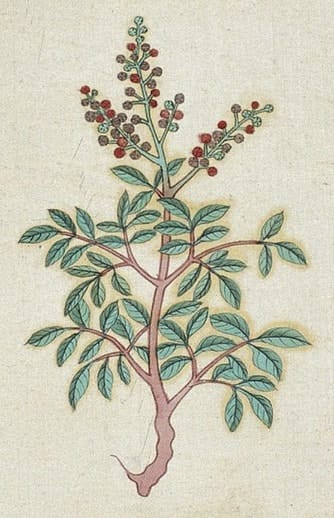
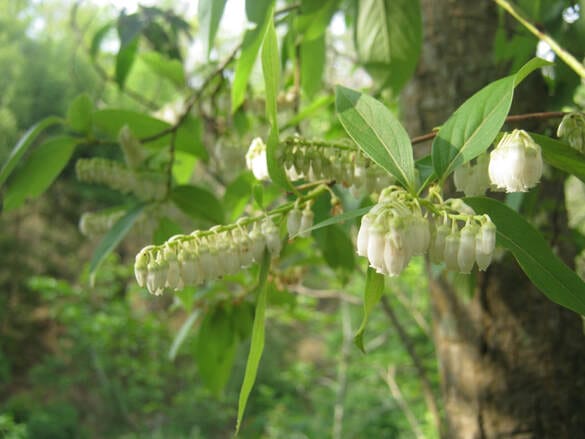
Botanical name:
Lyonia spp.
- L. ovalifolia (syn. Pieris ovalifolia, Andromeda ovalifolia, Xolisma ovalifolia)
- L. ovalifolia var. elliptica
Parts used:
Leafy twigs and fruit
Temperature & Taste:
Warm, dry. Sweet
Uses:
1. Moves the Blood, Eases Pain:
-Trauma, Bruising
-Fractures
2. Clears Wind, Resists Toxin:
-Sores, Skin conditions
-Anti-viral effects have been shown
3. Warms & Strengthens the Spleen and Kidney:
-strengthens tendons and joints: lower back and leg pain and weakness
-soreness and numbness of the whole body
-Wasting and Weakness
-benefits Yang
-Spleen deficient Diarrhea
-several components have shown anti-Diabetic activity
4. Externally:
-leaf juice or tincture is applied to Sores, Skin conditions including Scabies, Ringworm (TCM, Ayurveda, Nepal)
-leaf juice is applied to Scabies in Nepal
-leaf paste applied to Wounds
-Seed paste is applied to Wounds and Boils (India)
-leaves are insecticidal
Dose:
1. There is a great variation in dosage range given by Chinese sources. Some sources have listed doses of 1–2 oz. for the leaf and 2–4 oz. for the root. This may refer to the fresh product. However, we have gone with more conservative doses of 1–3 qian (3–9 grams).
2. To strengthen the Kidneys and benefit the lower back, it is often taken in alcohol.
Decoction of Leaf or Root: 3–9 grams (up to 1–2 oz. has been prescribed)
Decoction of the Fruit: 9–30 grams
Mostly used topically as a strong decoction or fresh leaf paste.
Main Combinations:
1. Diarrhea due to Spleen deficiency, 30 grams of the leaves are boiled in water and taken
2. Injury from bruises, soreness and numbness of the whole body, 30–60 grams of the root are decocted and sweetened with brown sugar, adding a little Rice wine.
Cautions:
1. Avoid hot and sour foods while taking this medicine.
2. Toxic in overdose. Leaves contain an insecticidal toxin, andromedotoxin. It is known to be toxic to cattle.
Main Preparations used:
Click the above Tabs for more information on this medicine
ANTIBACTERIAL
–Antioxidant and Antimicrobial Properties of Leaves of Lyonia ovalifolia Wallich
ANTI-VIRAL
–Antiviral Triterpenes from the Twigs and Leaves of Lyonia ovalifolia.
ANTIOXIDANT
–Antioxidant and Antimicrobial Properties of Leaves of Lyonia ovalifolia Wallich
DIABETES
–New iridoids from Lyonia ovalifolia and their anti-hyperglycemic effects in mice pancreatic islets.
–Eriodictyol stimulates insulin secretion through cAMP/PKA signaling pathway in mice islets.
CANCER
–Lanostane triterpene glycosides from the flowers of Lyonia ovalifolia var. hebecarpa and their antiproliferative activities.
–Hebecarposides A-K, antiproliferative lanostane-type triterpene glycosides from the leaves of Lyonia ovalifolia var. hebecarpa.
You must be logged in to view this content, please login. If you're not a member then Click this link to subscribe