Lapis Ammonites
Snake-Stone, Ammonite, Cornua Ammonis, Draconites
Shi She 石 蛇 (‘Snake Stone’, TCM)
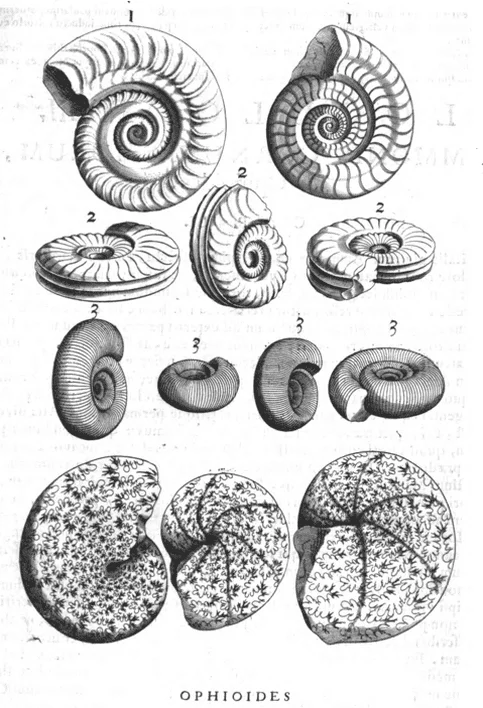
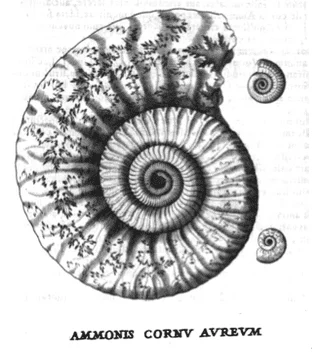
Metallotheca Vaticana, Mercati, 1719
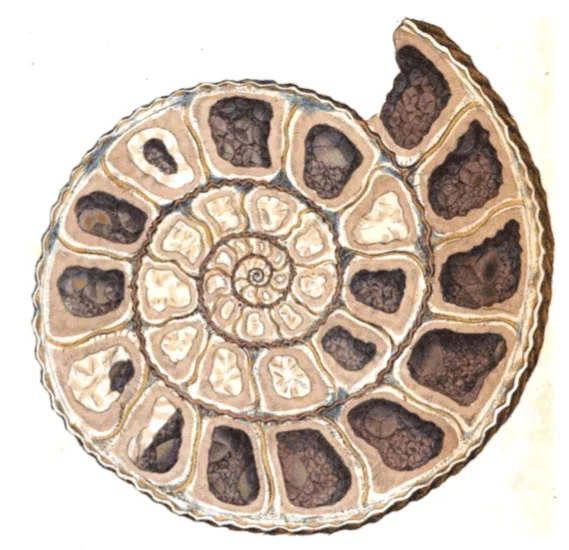
Cross section of Ammonite
British Mineralogy, Sowerby, 1804
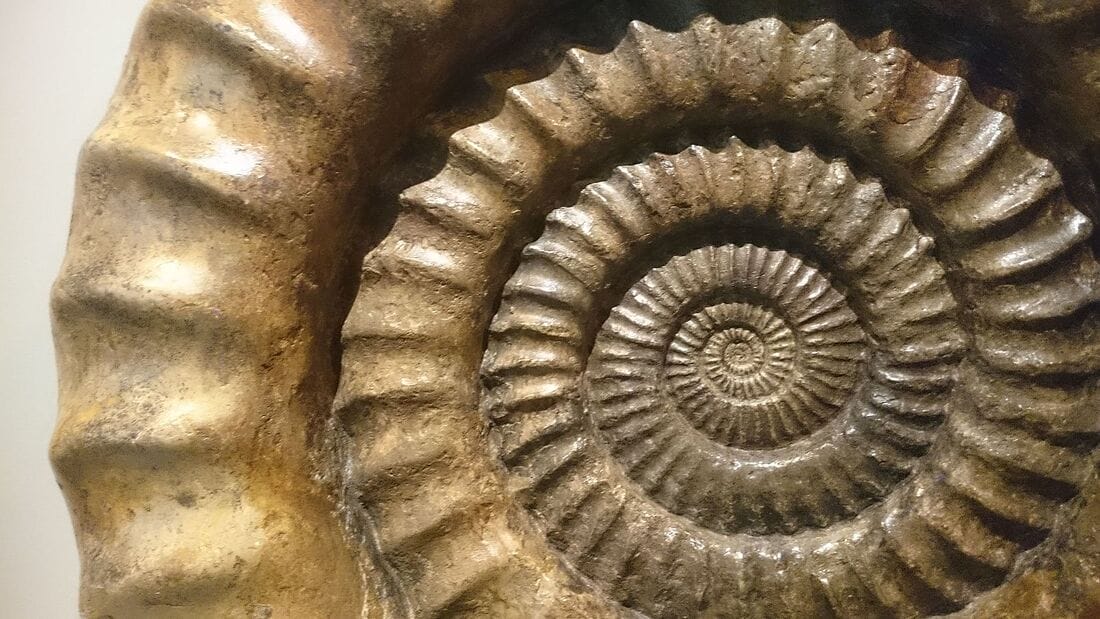
Ammonite
(Photo by Mokkie) (Wikimedia)
Zoological name:
Parts used:
Prepared Fossil
Lapis Ammonite was occasionally listed in Materia Medica, but rarely were there any medical uses given.
Temperature & Taste:
Neutral. Salty, slightly Sweet
Constituents:
Mainly calcium carbonate, silicon dioxide.
Uses:
1. Tonifies Yang:
-In Folk traditions they were used for Impotence and Infertility. In a Greek tradition an ammonite is steeped in water before a wedding, then the couple drink the water for 40 days to ensure Fertility.
2. Resists Poison:
-Used as an amulet to protect against Snake Bite (West)
-“It resolves the poison of metals and minerals”. (Su Song)
Dose:
Fine Powder: 500mg–3 grams
Preparation:
1. Quenched Fossil Crab:
It can be calcined until red hot and quenched for use. This facilitates pulverisation.
Substitute:
-“Generally speaking, they belong to the group of Stone [Fossil] Crabs. their therapeutic potentials are similar.” (Su Song)
-“Ihey do not belong to the group of Stone [Fossil} Crabs. [Stone] crabs are transformations of genuine crabs. Ammonites are not [transformations of genuine snakes”. (Kou Zong Shi)
Comment:
1. As it resembled a coiled up snake, it was apparently used as an amulet against Snake Bite, and against Poison. They were also used in Magic. They have been known as Snake Stone in both Europe and China, and were traditionally sometimes called Draconite, Dragon Stone.
2. Ancient Greeks used it for Insomnia and to promote pleasant dreams by putting under the pillow. Held as a charm were believed to prevent Snake bite.
Main Combinations:
Cautions:
1. Not used in Pregnancy. It was said to Induce Miscarriage
2. Not used in Cold and Weak digestion.
You must be logged in to view this content, please login. If you're not a member then Click this link to subscribe