Indigofera tinctoria, Nila
Dyers Indigo
Nila (Ayurveda)
Nili, Avuri (Plant); Avuri Ver (Root) (Siddha)
Habb-ul-Neel, Nil (Unani)
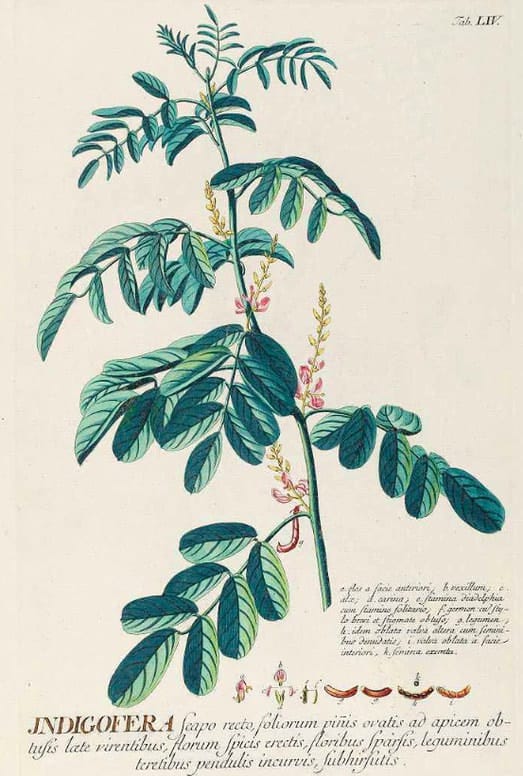
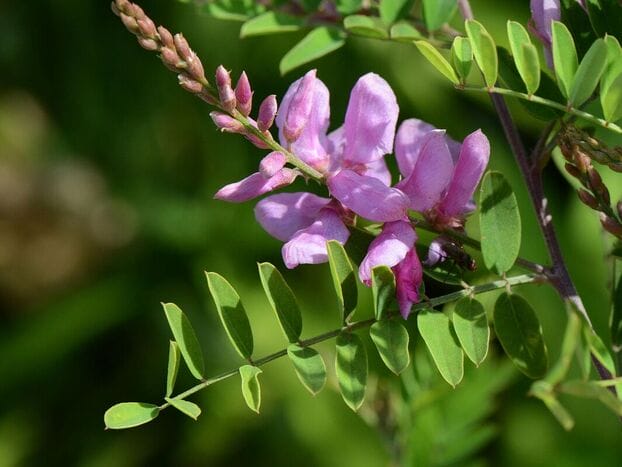
Botanical name:
Indigofera tinctoria
I. suffruticosa (syn. I. anil) and I. oblongifolia (syn. I. paucifolia) have also been used
This is one of the sources of Indigo
Parts used:
Whole plant; Leaf; Root
Temperature & Taste:
Cool, dry. Bitter
“hot in the first and dry in the second degree” (Avicenna)
Uses:
1. Clears Heat and Poison:
-Skin diseases, Abscesses, Erysipelas, Leucoderma
-against various Poison (root)
-Whooping Cough
-“useful in children suffering from severe cough with vomiting” (Avicenna)
-“wonderfully effective when given to children who suffer from a severe Cough”. (Rhazes)
-Lung Ulcers, Pleurisy (Avicenna)
-Liver and Spleen enlargement
-Hepatitis (root); hepatoprotective
-Hydrophobia, Rabid bites (wineglassful of the juice)
-“useful for treating all kinds of inflammatory conditions in their initial stages” (Avicenna)
-Syphilis
2. Stops Wind, Calms the Mind and Spirit, Moves Qi:
-phobia, delusion, mental disorders (API)
-Depression
-Nervous disorders, Epilepsy (whole plant)
-Palpitations
3. Clears Heat and Damp, Clears Stones:
-Edema (Avicenna)
-Stones (root)
4. Externally:
-Bites, Rabid Dog bites, Snake bites
-poultice or plaster of the leaves is applied to skin diseases
-“removes freckles, pityriasis and also proves useful in cases of Alopecia” (Avicenna)
-Herpes, Erysipelas (Avicenna)
-Burns and Scalds (Avicenna)
-Wounds of the Nerves (Avicenna)
-Ulcers (Ayurveda, Dioscorides, Avicenna); Gangrenous Ulcers (Rhazes)
-applied with Barley meal as a cataplasm to Tumors (Rhazes)
-Hemorrhoids (poultice)
Dose:
Whole Plant in Decoction: 10–20 grams (API); taken in doses of 25–50mls
Dried Leaf in Decoction: 50–100 grams (API); taken in doses of 25–50mls
Juice in doses of 25–50mls., for Hydrophobia, a wineglassful (150mls) each morning for 3 days after being bitten
Substitute:
1. Ipomoea hedracea is also used as a source for Habb-ul-Neel in Unani
2. When the plant is unavailable, Indigo has been used in its place.
3. Indigofera tinctoria has been used as a substitute for Lawsonia inermis in Unani medicine.
Comment:
This is one of the plants that can be a source of Indigo.
Main Combinations:
1. Syphilis, Indiofera with China root
2, Skin diseases, combine with Fumitory and Senna
3. Hepatitis, Indigofera with Swertia
4. To dye the hair, decoct green walnut hulls with Indigofera, Henna and Clove, and use as a wash.
5. Herpes, Erysipelas, apply with Barley flour (Avicenna)
6. Chronic Ulcers, apply with Honey (Avicenna)
Cautions:
Cold, so use cautiously in Cold and weak Stomach
Main Preparations used:
Click the above Tabs for more information on this medicine
”The cultivated Indigo plant is hot and astringent, and in particular the wild variety is quite sharp. Both arrest bleeding and dry out gangrenous Ulcers when applied as a cataplasm; their leaves, when ground together with barley meal and applied as a cataplasm, powerfully dissolve Tumors. The wild variety has a stronger impact; yet from the cultivated one obtains a press juice which is proven to be good against vomiting, thanks to its strength, wonderfully effective when given to children who suffer from a severe cough”. (Rhazes)
You must be logged in to view this content, please login. If you're not a member then Click this link to subscribe