Imperatoriae, Masterwort
Ostrutium, Smyrnium, Astrentium

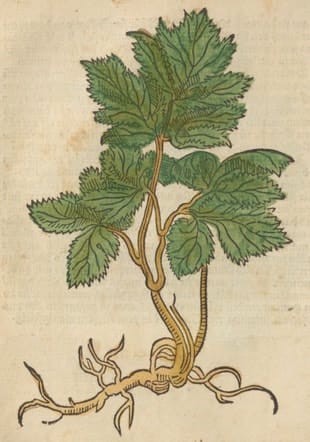
Gart der Gesundheit, Cuba, 1485
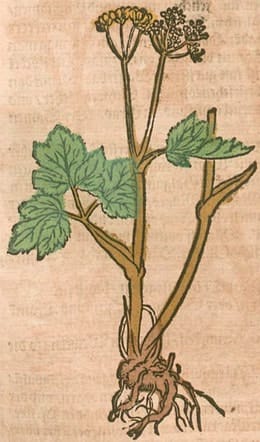
Krauterbuch, Lonitzer, 1578
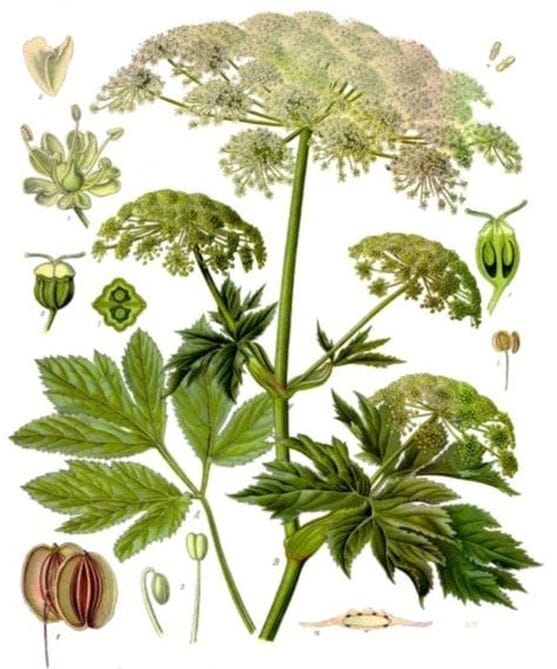
Imperatoria ostruthium
Köhler’s Medizinal-Pflanzen, 1897
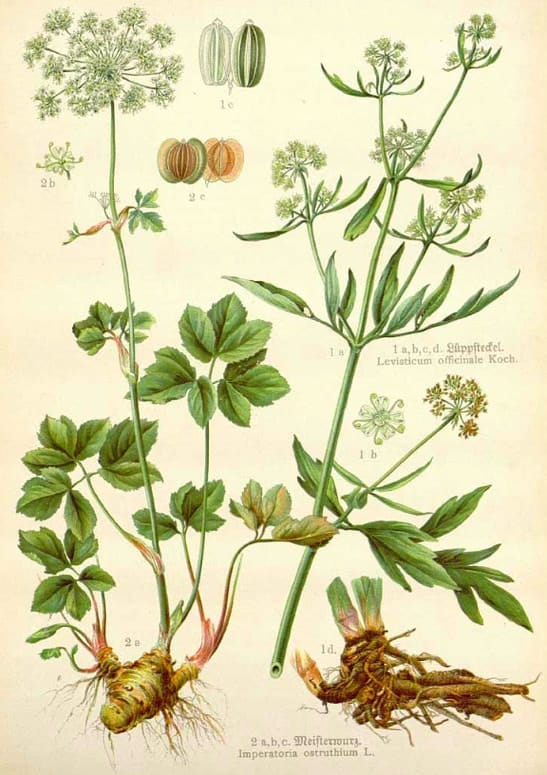
Imperatoria ostruthium
Losch, F., Kreuterbuch, unsere Heilpflanzen in Wort und Bild, (1905)
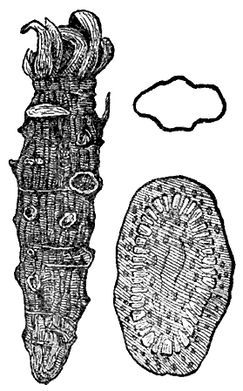
Masterwort Root
Notes on Pharmacognosy, Otto Augustus Wall, 1902
Botanical name:
Imperatoria ostruthium (syn. Peucedanum ostruthium)
Parts used:
Root
Temperature & Taste:
Hot, dry. Pungent
Uses:
1. Clears Wind-Cold, Resists Poison:
-Epidemic and Infectious diseases, to prevent and treat
-venomous bites; Snake, Rabid Dogs, Spiders
-Quartan Fever
-“A most noble Antidote and Cordial”. (Tournefort, 1730)
-“Drives out ail sorts of Poisons by Sweat”. (Tournefort, 1730)
-promotes good complexion (Herbarium Horstianum, 1630)
-Root was hung around the neck to protect from the Plague.
2. Warms the Stomach, Clears Cold Phlegm:
-resolves and expectorates cold and thick phlegm from the Lungs
-Asthma, Wheezing, Shortness of Breath
-Colic; Cold and Wind of the Stomach
-digestive weakness from cold/damp and wind
-cold-type Abdominal pain
3. Clears Wind-Phlegm, Stops Spasms:
-diseases of the head coming from Wind-Phlegm
-Apoplexy, Paralysis, Lethargy, Trembling, Numbness, Convulsions
-“Proper for the Apoplexy, Palsy, and Lethargy”. (Lemery)
4. Moves the Blood, Opens obstructions:
-Potently promotes Menstruation and Birth
-Cold and Moist diseases of the Uterus
-internally for Bruising and internal Blood Stagnation
-obstruction of the Liver and Spleen
5. Warms the Kidneys, Promotes Urine:
-Edema from Cold and Moist Kidneys
-Aphrodisiac; Impotence from Cold and Weak Kidneys
-“It makes some Males fruitful”. (Tournefort, 1730)
6. Externally:
-to break Plague Sores and Carbuncles
-Gout and Joint pain coming from Cold
-gargled for Toothache
-chewed to sweeten the breath
-topically for Scabby heads and Itching
-decoction in wine is used as a wash or the powder applied to putrid and foul Ulcers
Dose:
1. Seed and Root may be used in similar doses.
2. Tincture is strongest to move the Blood
3. Acid (Vinegar) Tincture is stronger to resist Infection and against Poison.
Powder: 500–1500mg with Honey
Decoction in Wine: 2–4 oz. of the decoction, taken with Honey or a suitable syrup.
Juice: half–1 teaspoonful
Lohoch: Juice mixed with half part of clarified Honey and thickened in a water-bath: 1 teaspoonful
Tincture of the Root: 3–6 mls., primarily to move the Blood and warm the Kidneys
Oily Tincture of the Root or Seed: 10–60 drops for Strangury, Gravel, Paralysis, Trembling, Numbness, Lethargy etc.
Distilled Water of the Herb, Root and Seed: 1–6 oz.
Substitute:
“It has almost the same Virtues with Lovage, but more penetrating”. (Tournefort, 1730)
Main Combinations:
1. To prevent infection during Epidemics, with Angelica, Valerian, Gentian, Zedoary, Juniper berry, Rue, Blessed Thistle prepared as a Vinegar.
2. Cold and Moist Uterus, Masterwort, Pontic Wormwood, Aven root (Radix Caryophyllata)
3. Colic; Cold and Wind of the Stomach:
i. Masterwort taken in wine.
ii. Masterwort with Calamus, Aniseed
4. Impotence: “the Decoction of the Root in Wine revives the ability of generation, after it is almost quite extinct”. (Tournefort, 1730)
4. Itching Skin diseases, Masterwort, Elecampane, Long Birthwort, Wormwood (2 drams each), Bay berries (3), Gentian (1/2 dram), Sulphur (3 drams), form an ointment with Butter. (Herbarium Horstianum, 1630)
Major Formulas:
Orvietan Antidote
Triphera Greater (Nicholas)
Cautions:
Not used during Pregnancy
Main Preparations used:
Click the above Tabs for more information on this medicine
You must be logged in to view this content, please login. If you're not a member then Click this link to subscribe