
Grasshopper & Cricket
Grasshoppers were classically called Cicada
Zha Meng 蚱蜢 (Grasshopper, TCM)
Cha ga pa ཆ་ག་པ་ (Grasshopper, Tibet)

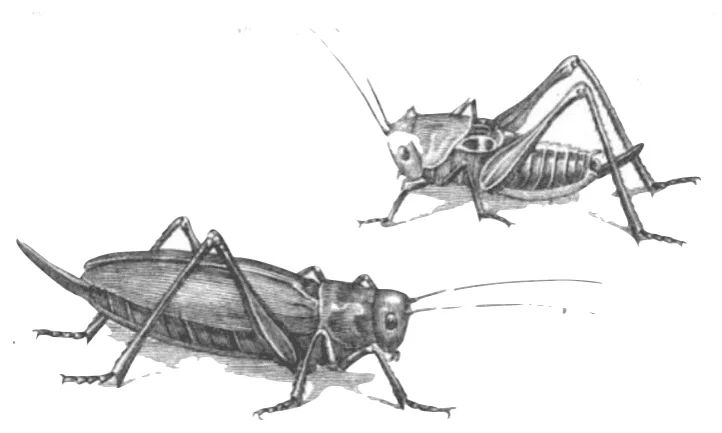
Two types of Grasshopper
History of the zoophytes. Goldsmith, 1824
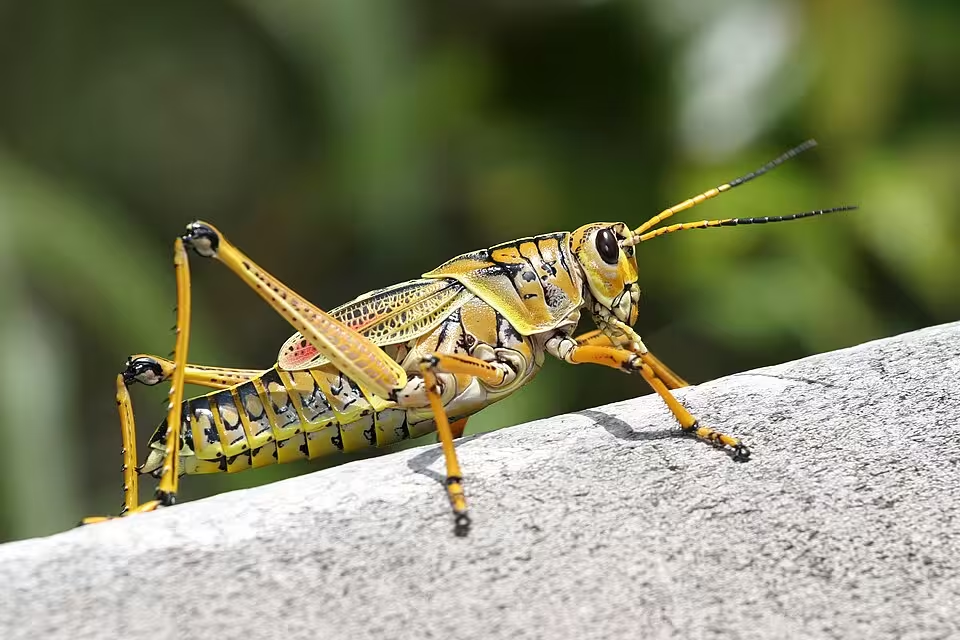
Romalea guttata
(Photo by Ryan Wood) (Wikimedia)
Entomological name:
The Difference between Grasshopper and Crickets:
- Grasshoppers have short antennae and are active during the day (diurnal).
- Crickets have long, thin antennae and are active at night (nocturnal).
They are closely related and are both Orthoptera.
A number of species of Grasshopper are used:
- Podisma mikado (TCM)
- Romalea microptera (TCM)
- Acrida cinerea (TCM)
- Oxya chinensis (“Small Rice Grasshopper”) (TCM, Tibet)
Those with pointed heads and long legs are best according to the Barefoot Doctors Manual.
Likewise, a number of species of Cricket have been used:
- Acheta domesticus (House Cricket) (Used worldwide; Europe, Asia, Latin America)
- Gryllus chinensis (Chinese Cricket), and other species of Gryllus.
- Gryllulus domesticus, G. campestris (Field Cricket)
In TCM, local types have been used including G. sigellatus, G. chinensis (Chinese Cricket), G. mitratus,
Generally, any local Grasshopper can be used. A Tibetan classic text states that all Grasshoppers have the same efficacy. Crickets and Locusts have been used similarly.
Parts used:
Whole insect
Temperature & Taste:
Warm, dry. Salty.
“Hot and Dry in the Second degree”
Constituents:
Acheta domestica: Protein (42.0-45.8% of dry matter), Fat (23.6-29.1% of dry matter)
Minerals: rich in Ca, Mg and Fe. especially rich in Cu, Mn and Zn
Uses:
GRASSHOPPER:
1. Tonifies Qi, Clears Food Stagnation:
-highly nutritious, good for weakness and fatigue
-poor appetite
-used for Infantile Malnutrition
-promotes digestion to clear Food Stagnation
-“Colic of the Bowels”.
2. Stops Cough and Wheezing:
-Cough, Bronchitis, Bronchial Asthma, Whooping Cough
-good for these problems associated with deficiency or dryness
-Cold Asthma (Barefoot Doctors Manual)
-Locusts were especially recommended for Lung diseases.
-Phthisis (Arabs)
3. Clears Damp, Promotes Urine:
-Edema, Difficulty Urinating, Urinary obstruction, Ascites (West, TCM) (also Cricket, Locust)
-Bladder disorders, Bladder pain (Dioscorides)
-the ash is taken in wine for urinary Stones
-Diabetes (TCM)
-“cleanses the Channels”. (Tibet)
-also for Bedwetting
4. Clears Heat, Resists Poison:
-antidote to various poisons and bites: Scorpion, Bee, and Hornet stings
-in Tibet specifically against the venom of a toxic beetle.
-Malaria and Fevers (Unani)
-Leprosy (Pliny)
-Conjunctivitis, and Eye diseases. (Dioscorides)
5. Settles Wind, Stops Spasms:
-used for Fright and Convulsions, especially in children
6. Externally:
-Pterygium: “Take Grasshoppers, but not the green, nor them that be big, nor too little, bind them on a thread; and dry them in the Sun, then beat them to powder, bind them in a cloth, and lay it all night in wine, drop thereof into the eye; it is very ſharp. Others do but make a cloth wet therein; and lay it upon the eye; and that is surer”. (Wirtzung)
CRICKET
1. Clears Damp, Promotes Urine (TCM, West):
-Urinary retention, Oliguria
-Urinary Stones
-Joint pain including Rheumatism
-also urinary incontinence
-ashes help Stones and Dysuria.
-“the powder of them provokes Urine”, (Salmon)
-eaten after roasting it is a proven remedy for Bladder pain. (Unani)
2. Strengthens the Eyes:
-“strengthens the Sight” (Salmon)
3. Stops Bleeding:
-“their ashes are excellent against Fluxes”. (Salmon)
-given for Excessive Menstruation
4. Externally:
-“hung about the neck as an amulet, helps Quartans.” (Salmon)
-Scabies, Eczema (Latin America)
-boil 2–3 Crickets in Olive oil and drop warm into the ear for Earache. (Unani)
Dose:
Grasshopper, Crickets and Locusts are all used in similar doses.
In Powder: 300mg–2 grams; or 5–10 roasted Grasshoppers or Crickets. (5–10 grains was traditionally used in the West)
1500mg (half dram) dose potently promotes urine.
The powder of 10 toasted Grasshoppers, taken with wine, is given as a dose in the Barefoot Doctors Manual.
To eat, the legs and wings are removed, they are boiled in water, then fried in butter.
Decoction: 4–6 grams
Substitutes:
Crickets and Locusts are used similarly.
Preparation:
1. Remove the wings and legs, then roast to yellowish.
2. Sometimes, they are asked or carbonised, especially for Stones.
Main Combinations:
GRASSHOPPER:
1. Asthma:
i. take 10 roasted Grasshoppers, powder, and take the lot with sweet wine. (Barefoot Doctors Manual)
ii. Grasshoppers with Ephedra Ma Huang.
2. Edema and Colic of the Bowels, Grasshoppers (6 grains) taken with Pepper.
3. Obstructed Urine: “half a dram of dried Grasshoppers is very fit, and a great secret in this disease:.
4. Stones:
i. the ashes are taken with wine or honey. (Salmon)
ii. Grasshopper with Pill Millipedes
iii. Grasshopper with Gillyflower and Saxifrage. (The Treasury of Health, 1550)
iv. Grasshopper wand Dried Goat’s Blood in powder, taken with a decoction of Spikenard and Cinnamon “causes the Stone to gush out wonderfully”. (The Treasury of Health, 1550)
v. Burnt Grasshopper, burnt Glass (3 drams ea.), ashes of a burnt Hare, prepared Goat Blood (1 oz. ea.), Plantain seed, Starch, Butchers Broom seed (2 ½ drams ea.), Syrup of Vinegar Compound (30 oz.), Sugar Penids (24 oz.), make an Electuary. (Wirtzung)
5. Diabetes, parch and powder 30 Grasshoppers; take 1 portion 3 times daily with yellow rice wine. One case study with Diabetes due to Kidney Yin deficiency of 10 years standing was reportedly cured after 20 days administration.
CRICKET:
1. Edema, put a Cricket under the feet of the patient, wrap him up in bed and let him sweat. (A Rich Closet of Physic, 1653)
2. Urinary retention, Crickets (3), Mole Crickets (3), toasted and powdered, taken with wine. (Barefoot Doctors Manual)
3. Incurable Colic, give 5–10 Crickets with Black Pepper and Honey. (Unani)
Major Formulas:
TROCHES OF GRASSHOPPER.
Prepared Goat Blood
Grasshoppers 3 drams ea.
Galangal 1 dram
Grommel, Cinquefoil,
Nettle seed, Watercress,
Parsley seed, Alexander,
White Tartar ½ dram ea.
Oils of Musk
Spikenard,
Balsam 1 ½ drams ea.
With juice of Saxifrage, form Troches.
Very useful for pain of the Kidneys and Intestines, and for Stones.
Dose: 1–2 drams. (Antidotarium Bononıiense, 1574)
Cautions:
None noted
Main Preparations used:
Tincture
Tincture of Grasshopper
Rectified S.V. 3 lbs.
Powder of Grasshoppers 1 oz.
Steep, then strain and keep. Used to promote urine. Dose: 10-15 or even 30 drops, in an appropriate liquor. (Salmon)
Click the above Tabs for more information on this medicine
Aristotle says they were eaten by the polished Greeks, and were found very delicious. Likewise, other classic authors, Aristophanes, Oelian, and Pliny, mention their being eaten as a favourite food.
Grasshoppers are traditionally seen in Chinese culture as promoting good luck, symbolizing fertility, longevity, prosperity, and protection.
1. Cultural significance of locusts, grasshoppers, and crickets in sub-Saharan Africa.
2. Edible Crickets (Orthoptera) Around the World: Distribution, Nutritional Value, and Other Benefits-A Review.
3. Edible insects in China: Utilization and prospects.
4. Anti-Thrombotic, Anti-Oxidant and Haemolysis Activities of Six Edible Insect Species.
5. Edible crickets as a possible way to curb protein-energy malnutrition: Nutritional status, food applications, and safety concerns.
6. Nutritional value, protein and peptide composition of edible cricket powders.
7. In Vitro Iron Availability from Insects and Sirloin Beef.

Traditionally used in Love potions in China.