Gnaphalium, Shu Qu Cao 鼠曲草
Cudweed
Shu Qu Cao (TCM)
Gandha bha dra (Tibet)
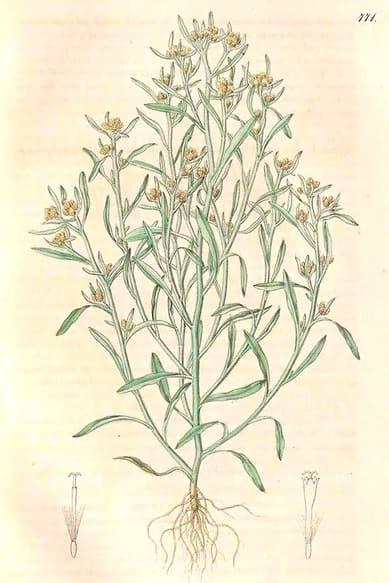
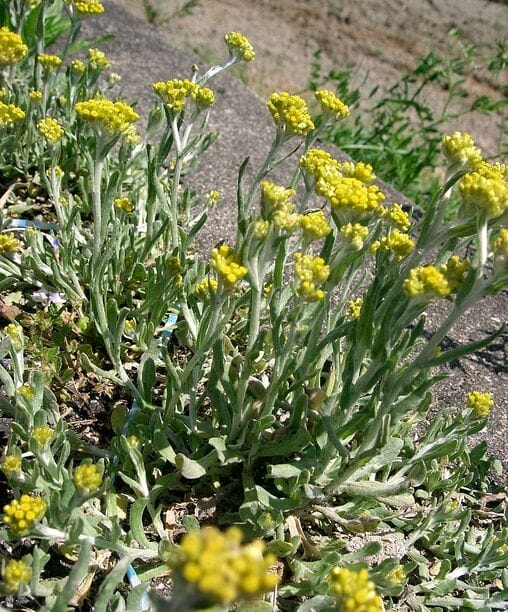
Botanical name:
Gnaphalium spp.
1. G. affine (syn. G. multiceps) (TCM, Tibet)
2. G. uliginosum has been used very similarly in the West.
A number of various species of Gnaphalium have been used in various places. The two above-mentioned species are particularly similar is use but it would seem likely that a number of other species may be used.
Parts used:
Whole Herb
Temperature & Taste:
Warm, dry. Sour, Sweet
Uses:
1. Clears Cold Phlegm, Stops Cough:
-Cough, Bronchitis, Asthma with profuse Phlegm
-it clears Cold and disperses Lung Qi
2. Clears Wind-Cold, Resists Poison:
-Wind-Cold type Common Cold and Flu
-Abscess, Boils, Carbuncles, Toxic Sores, Dermatitis (internally and topically)
-Trauma and Bruising (internally and topically)
-Tumors (Tibet)
-Snake Bite (topically)
3. Benefits Kidneys:
-Edema, Nephritis, Kidney disease
-Diabetes
-Lumbago
-pain in the sinews and bones, Rheumatism
-Leukorrhea, Spermatorrea
Dose:
Decoction: 6–15 grams (up to 30 grams has been listed)
Soak in wine for Cold type muscle and joint pain.
Main Combinations:
1. Cough:
i. Decoct 6 grams and add 6 grams of Rock Sugar
ii. decoct with Coltsfoot and Licorice
2. As a wash for skin conditions, decoct with Licorice and apply
Cautions:
None noted
Main Preparations used:
Click the above Tabs for more information on this medicine
You must be logged in to view this content, please login. If you're not a member then Click this link to subscribe