Desmos, Jiu Bing Ye 酒饼叶
Jia Ying Zhao, Jiu Bing Ye (TCM)
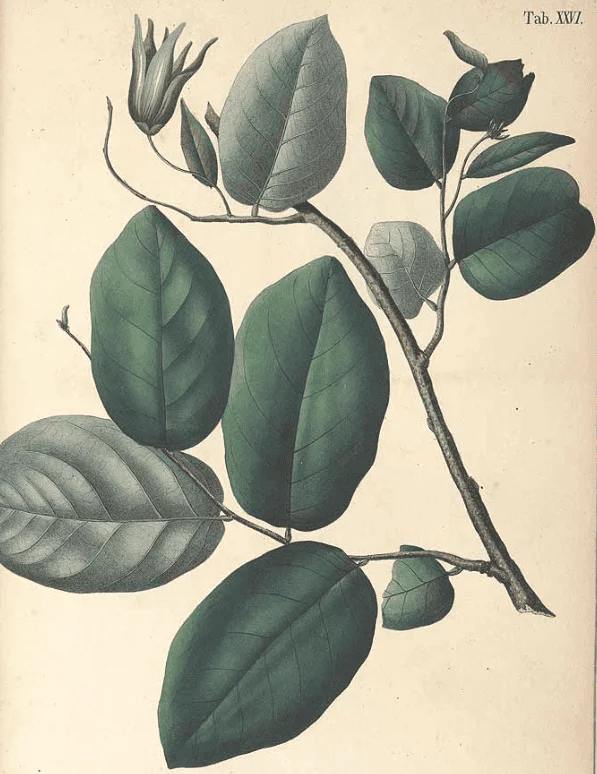
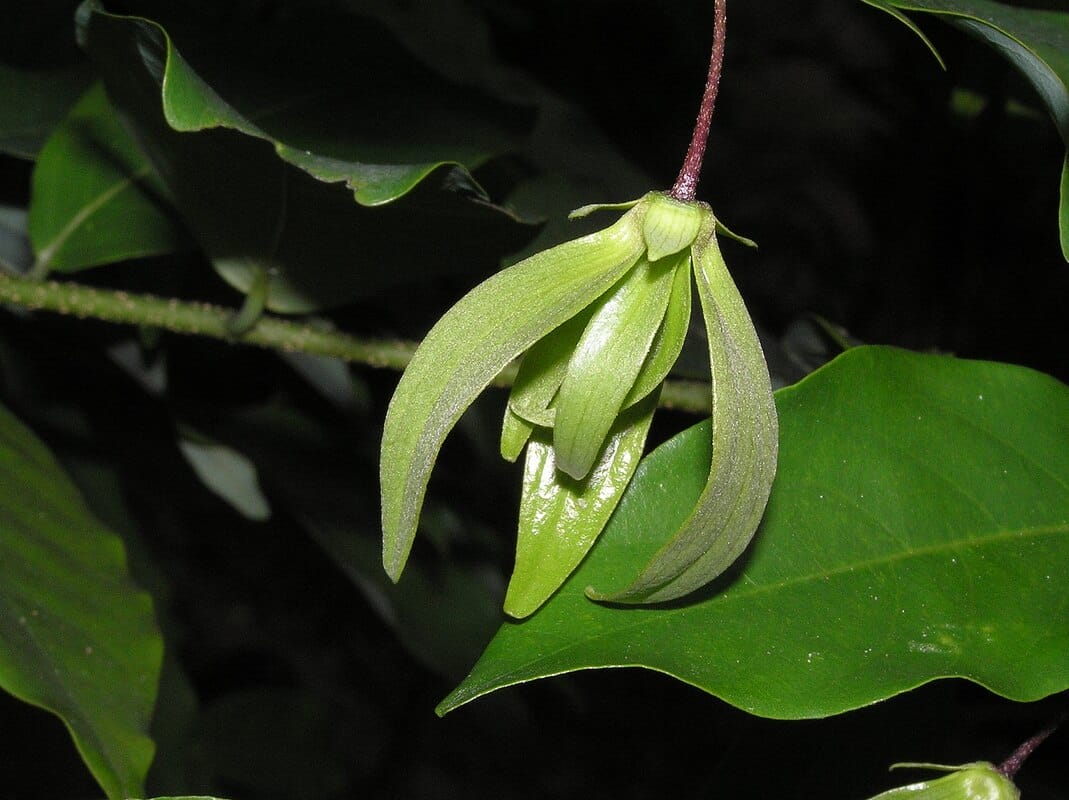
Botanical name:
Desmos cochinchinensis (syn. Desmos chinensis)
Parts used:
Leaf; less commonly the Root
Temperature & Taste:
Warm, dry. Bitter, Sweet. Regarded as slightly Toxic
Uses:
1. Clears Wind-Damp:
-Wind-Damp Joint pain
-Rheumatic Arthralgia, Rheumatism
-Edema
2. Moves the Blood, Clear Stasis, Relieves Pain:
-Trauma, Bruising
-Dysmenorrhea
-Postpartum Abdominal Pain, Postpartum Hemorrhage
3. Strengthen Spleen, Benefits the Stomach:
-Indigestion
-Abdominal distention, Gastric Pain
-Diarrhea
-regarded by some sources as a Qi tonic
4. Kills Worms and Parasites:
-Malaria
-Scabies (topically)
Dose:
Decoction: 3–15 grams
Topically the decoction is used as a wash, or a paste of the fresh herb is applied.
Preparation:
1. The leaves can be stir-fried until yellowed or scorched. This makes it more warming, and presumably lessens the toxin.
Main Combinations:
1. Bruising and Bone pain, stir-fry the leaves in a dry wok until scorched, then boil in wine. Drink the wine and apply the residue to the spot.
Cautions:
Avoid overdose.
Main Preparations used:
Click the above Tabs for more information on this medicine
You must be logged in to view this content, please login. If you're not a member then Click this link to subscribe