Daphne Gnidium
Daphne gnidium Daphne gnidium: Thymelaea, Flax-leaved Daphne
Coccum Cnidi, Granum Cnidi


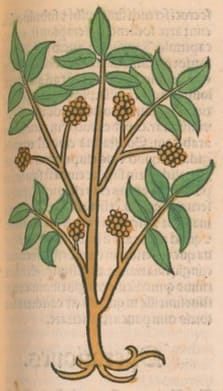
Daphne gnidium
Ortus Sanitatis, Meydenbach, 1491
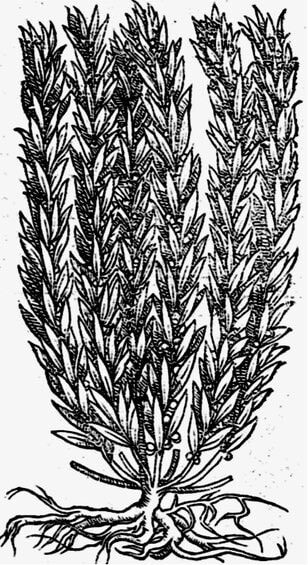
Daphne gnidium
Dioscorides Materia Medica, Mathias, 1563
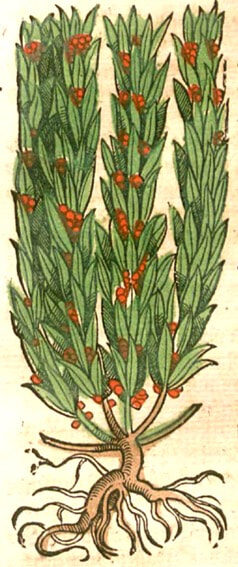
Daphne gnidium
Krauterbuch, Lonitzer, 1578
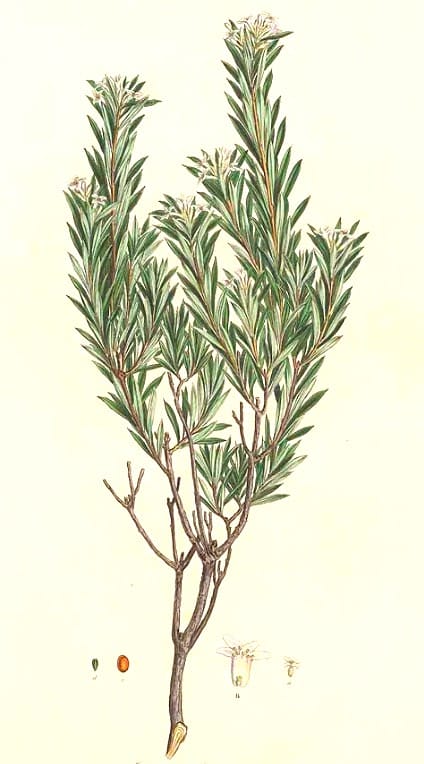
Daphne gnidium
J. Sibthrop, J.E. Smith, Flora Graeca, vol. 4 (1823)
Botanical name:
Daphne gnidium
Parts used:
Seed (leaf also)
“when Laureola or Mezereon is found in recipes, it is the fruit — that is Coconidium — that is meant”. (Villanova)
The bark is used (see Mezereon)
Temperature & Taste:
Hot, dry. Pungent. Toxic
Uses:
1. Clears Damp, Purges Water:
-serious cases of Edema in strong individuals; Ascites:
-purges water through the bowels
2. Externally:
-Kills Lice
-used as a vesicant
-topically to Cancer, Lupus
Dose:
1. Boiling lessens their virulence
2. The decoction is far safer than giving them in substance (ie powder).
Of the Seed: 3 can be taken as a dose.
Wirtzung (1598) said “The ancient Physicians were want to give 7 or 8 seeds of it, wrapped up in a green Fig or Date. but experience does teach us, that 3 of the seeds are sufficient enough to purge the body”.
Leaf in decoction: 300–600mg (traditionally 10–12 grains) will purge and sometimes vomit.
Comment:
1. The seed of this variety of Daphne is used, the bark of Mezereum (D. mezereum) and Laureola (D. laureola) are used; the leaves of the different species have also been used on occasion. All parts share similar effects.
Corrective:
Mastic
Main Combinations:
1. Edema:
i. Pills of Daphe seed with Mastic. (Villanova)
Major Formulas:
Ointment of the Resin of Daphne Gnidium
Lard 10 oz.
White Wax 1 oz.
Resin of Daphne Gnidium ½ dram
Strongly rubefacient.
Cautions:
1. Highly irritant. Avoid overdose. Moderate doses may induce diarrhea and vomiting.
2. Not used in Pregnancy, the very young, old, or weak
Main Preparations used:
You must be logged in to view this content, please login. If you're not a member then Click this link to subscribe