Caulophyllum, Blue Cohosh
Squaw root, Yellow Ginseng, Blue Ginseng

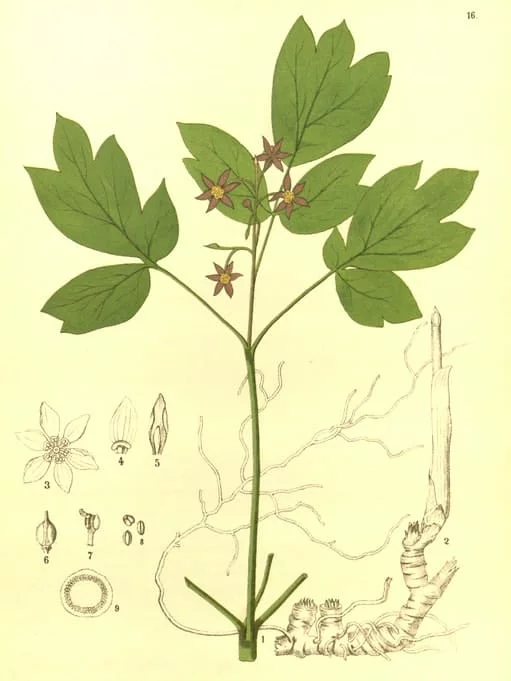
Blue Cohosh
Millspaugh, C.F., American medicinal plants (1882-1887)
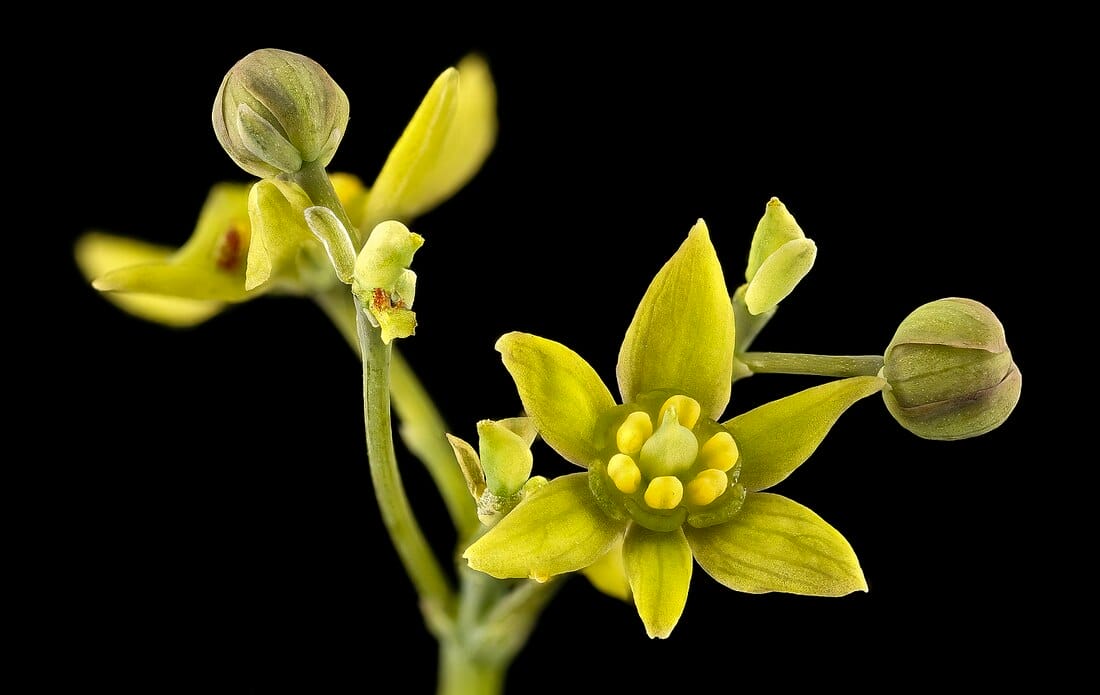
(Photo by USGS Bee Inventory and Monitoring Lab) (Wikimedia)
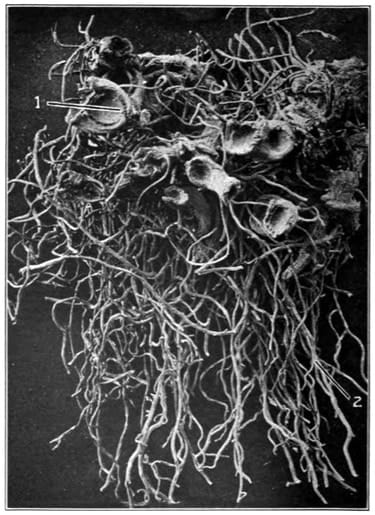
Blue Cohosh root and rhizome
Squibb’s Atlas of the Official Drugs, Mansfield, 1919
Botanical name:
Caulophyllum thalictroides
Parts used:
Root and Rhizome (fresh or dried)
Temperature & Taste:
Warm, dry. Sweet, Pungent
Constituents:
Alkaloids: Quinolizidine (inc. anagyrines, baptifoline, methylcystine); Isoquinoline (magnoflorine)
Triterpene Saponins: caulosaponin, caulophyllosaponin
Gums, starch, resin
Uses:
1. Moves the Blood, Promotes Menstruation:
-Amenorrhea, Dysmenorrhea
-Chlorosis with headache, hysteria (Eli Jones)
-Atony of the Uterus, chronic Uterine diseases including Endometriosis and Ovarian Cysts
-Hysteria, PMS
-Infertility
-promotes Labor while easing pain and cramping; taken 7–10 days before due date to promote easier labor.
-it has been used for Threatened Miscarriage (but should only be used in experienced hands)
-false labor of spasmodic nature with threatened miscarriage
2. Settles Wind, Clears Cold, Opens the Channels:
-Fever
-muscular and articular rheumatism
3. Settles Wind, Stops Spasms:
-Nervousness, Anxiety
-Cramps, Convulsions, Epilepsy
-Hypertension
-Neuralgia
-Hiccough
4. Clears Phlegm, Stops Cough:
-Cough, Bronchitis, Asthma
5. Clears Damp-Heat, Promotes Urine:
-Cystitis, Urethritis
-Chronic Nephritis
-spasmodic retention of urine
Dose:
Powder: 300mg–2 grams (average dose: 500mg–1 gram)
Tincture (1:10 in 60% alcohol): 2–4 mls.
Fluid Extract (1:1 in 90% alcohol): 0.3–2 mls. (average dose: 0.5–1 ml.)
Dry Extract: 1–5 grains
Substitutes:
1. Sanguinaria
2. Pennyroyal
3. Spikenard
Main Combinations:
1. Amenorrhea:
i. Blue Cohosh, Black Cohosh
ii. Blue Cohosh, Pennyroyal, Calendula
iii. Blue Cohosh, Wild Yam, Ginger
iv. Blue Cohosh, Pennyroyal, Motherwort, Thyme
2. Dysmenorrhea:
i. Blue Cohosh, Scullcap
ii: Amenorrhea, Dysmenorrhea, Blue Cohosh, Aloe, Podophyllum, Lobelia seed, Cayenne
3. Excessive Menstruation, Blue Cohosh, Raspberry leaf, Wild Yam, Cinnamon
4. Hysteria, Blue Cohosh, Valerian, Wild Yam
5. To prepare for Childbirth:
i. take the infusion for 1–2 weeks before the due date
ii. Blue Cohosh, Licorice, Cinnamon
6. To promote Childbirth:
i. Blue Cohosh, Black Cohosh, Mitchella
ii. Blue Cohosh, Cinnamon, Saffron
7. Postpartum hemorrhage:
i. Blue Cohosh, (American) Mistletoe
ii. Blue Cohosh, Comfrey, Motherwort
8. Menopause:
i. Blue Cohosh, Ladies Slipper, Hyssop
ii. Blue Cohosh, Sage, Ladies Mantle
9. Rheumatism, Blue Cohosh, Prickly Ash bark, Black Cohosh, Scullcap (King)
10. Epilepsy, Blue Cohosh, Black Cohosh, Vervain (Dr. Shook)
11. Chronic Nephritis, Blue Cohosh, Juniper berry, Couch grass
Major Formulas:
Cautions:
1. Should be avoided in Pregnancy and Breastfeeding. Some sources (such as PDR for Herbal Remedies) state that it should be avoided only in the first trimester. However, concerns about its potential role in congestive heart failure in newborns means it should only be used before and during labor.
2. Its internal use in restricted in some countries.
Drug Interactions:
1. May enhance effects of nicotine
2. May interact with anti-hypertensive medication
3. May interact with Angina pectoris medication
Main Preparations used:
Tincture, Extract
You must be logged in to view this content, please login. If you're not a member then Click this link to subscribe