Cardamine, Chu rug ཆུ་རུག་
Ladies Smock, Cuckoo flower, Sinapis altera
Chu rug (Tibet)
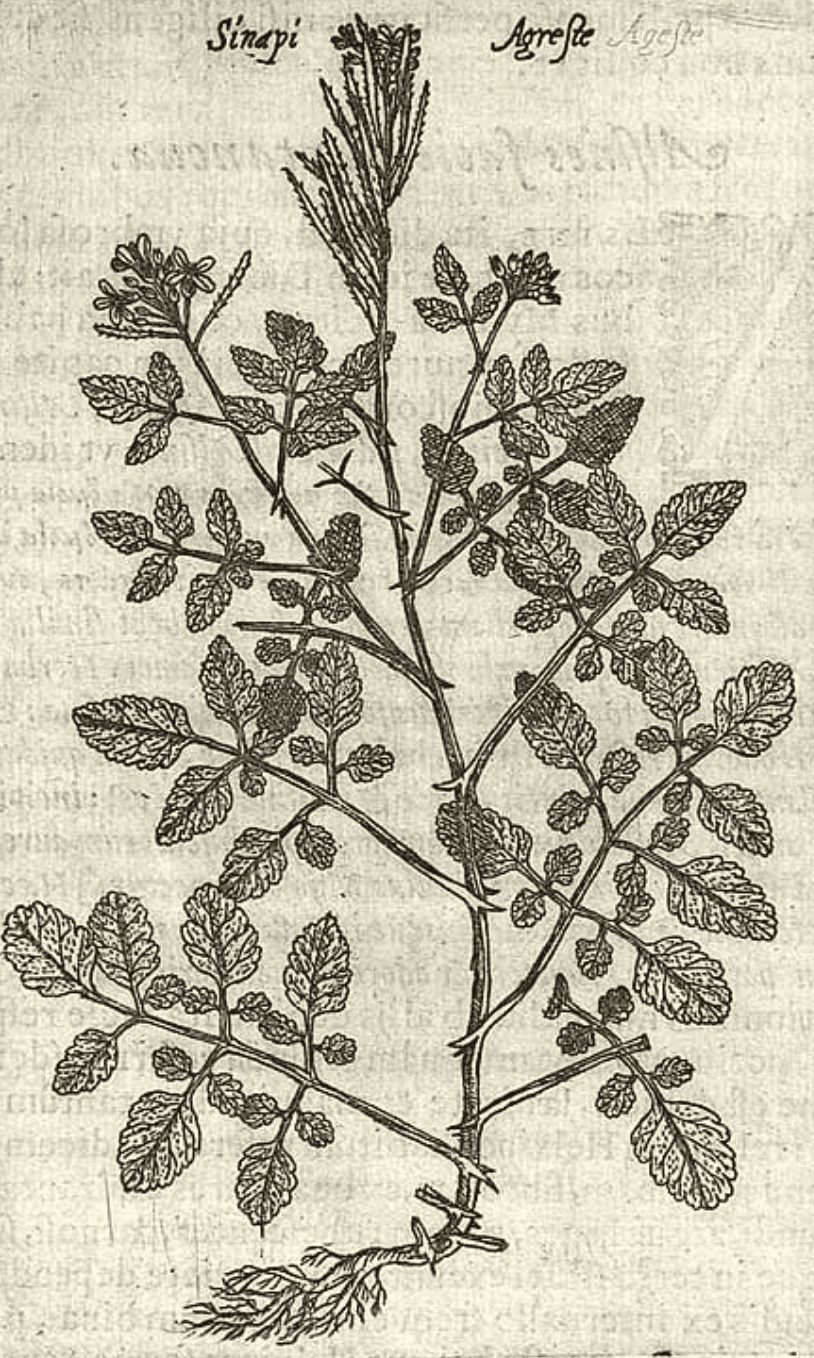
Cardamine macrophylla (as Sinapis altera)
Colonna, F., Phytobasanos, sive plantarum aliquot historia (1592)
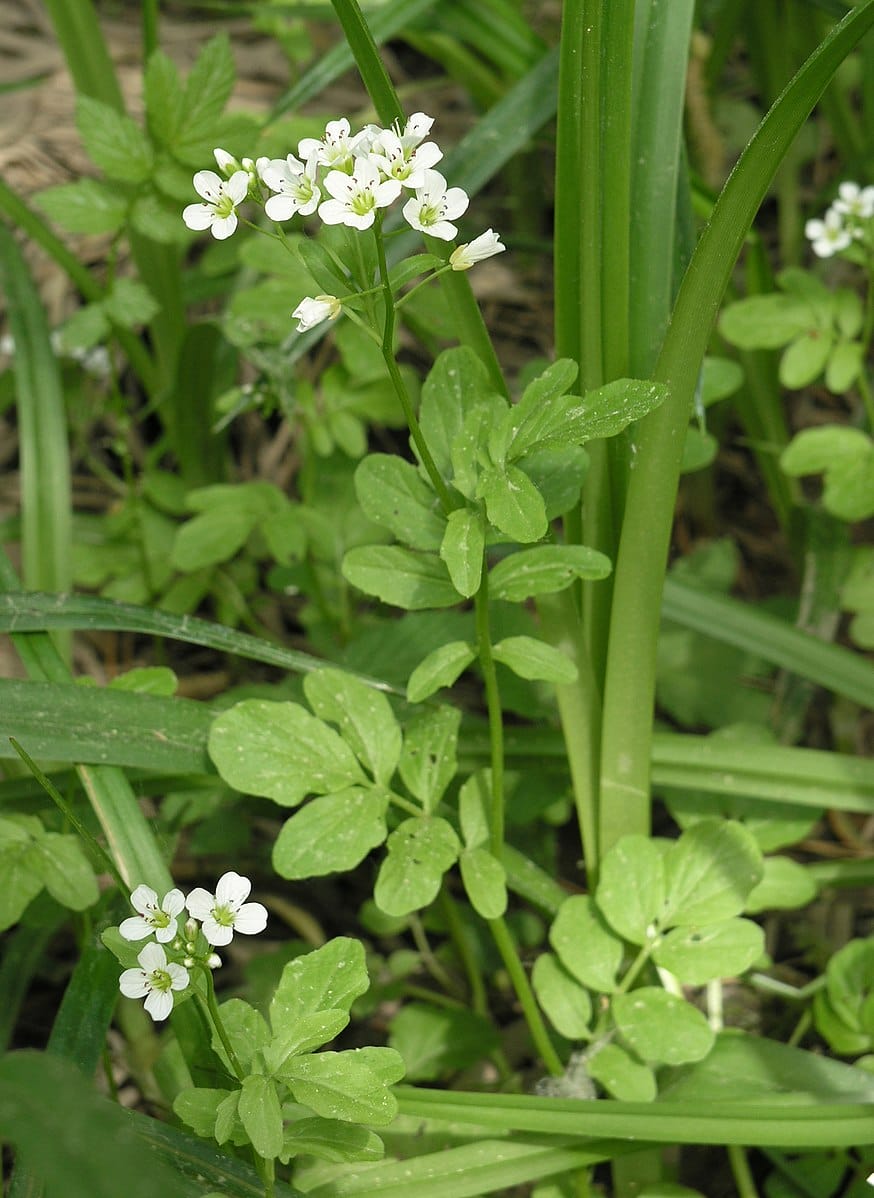
Cardamine macrophylla
(Photo by Oleg Kosterin) (Wikimedia)
Botanical name:
Cardamine macrophylla
There are several varieties of Chu rug in Tibetan Medicine:
1. Chu rug: Cardamine macrophylla
2. Chu rug sbal lag: Ranunculus tricuspis
Cardamine pratensis and related species have occasionally been used in the West.
Parts used:
Whole Plant in flower
Temperature & Taste:
Neutral. Sweet, Pungent
Classification:
Uses:
1. Clears Heat, Reduces Swelling:
-Inflammation of the Tendons and Ligaments
2. Clears Wind, Dries Damp:
-fluid accumulations and swellings
-Joint pain due to Rheumatism
-Elephantiasis
CARDAMINE PRATENSIS (West)
1. Clears Wind, Settles Spasms
-flowers have been used for Epilepsy and Childhood Convulsions (West)
-Spasmodic Asthma (West)
-regarded as strengthening the Heart (West)
Dose:
Flowering tops in Infusion: 3–9 grams, 2–3 times daily.
Flowering tops in Powder: 1–3 grams
Leaves of C. pratensis and related species were used as a salad herb.
Substitute:
C. pratensis was regarded as similar to, but weaker than, Watercress (British Phaenogamous Botany, Baxter, 1835)
Main Combinations:
Major Formulas:
Cautions:
None noted
Main Preparations used:
Click the above Tabs for more information on this medicine
You must be logged in to view this content, please login. If you're not a member then Click this link to subscribe