
Asparagus root, Tian Men Dong 天门冬
Palacium Leporis (Wild Asparagus)
Chinese Asparagus root: Tian Men Dong
Shweta Musali (A. abscendens, Ayurveda)
Nye Shing ཉེ་ཤིང༌ (A. adscendens, Tibetan)
Safed Musali (A. adscendens, Unani)
Halyon (A. officinalis, Unani)

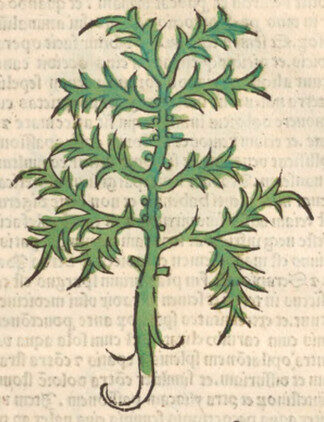
Herbarius latinus, Petri, 1485
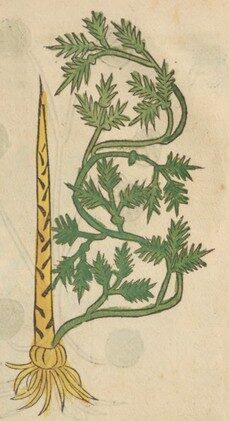
Gart der Gesundheit, Cuba, 1485
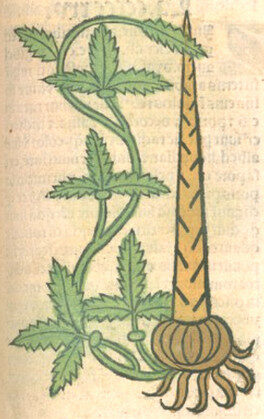
Ortus Sanitatis, Meydenbach, 1491
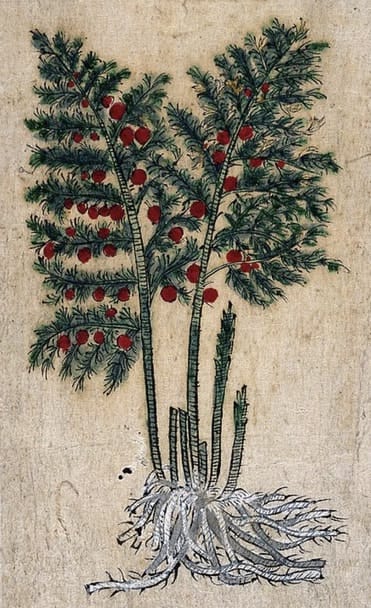
Japanese Herbal, 17th century (Welcome)
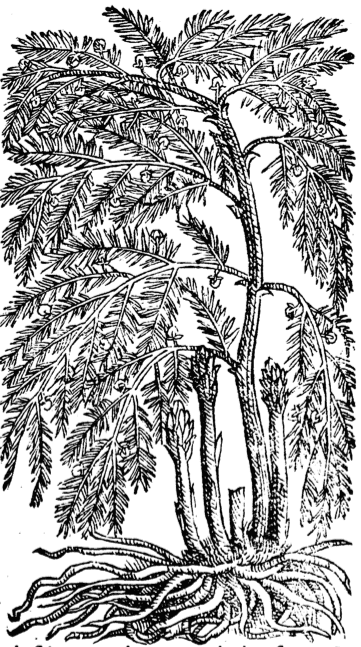
Della Materia Medicinale, Andrea Valuassori, 1562
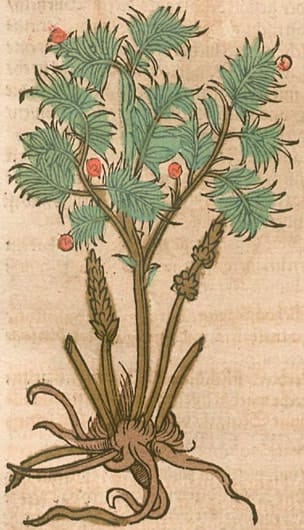
Krauterbuch, Lonitzer, 1578
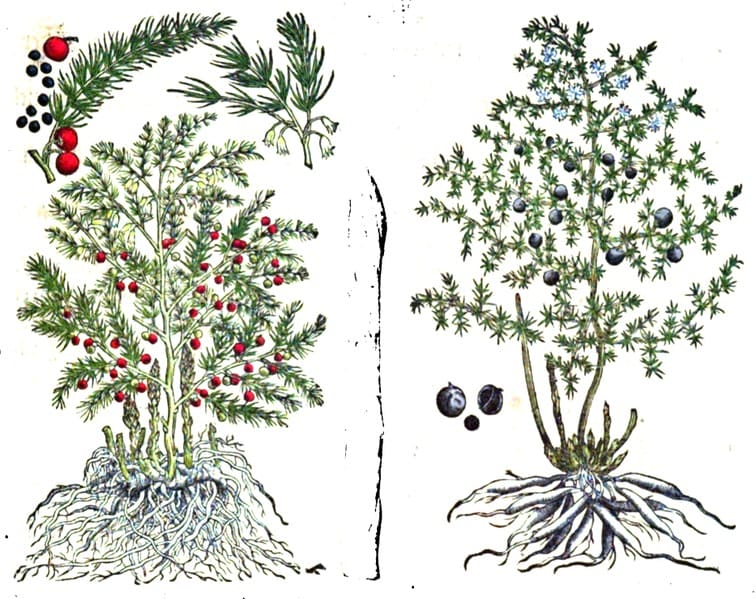
Left: Garden Asparagus; Right: Asparagus sylvestris
Kreutterbuch, Matthiolus, 1586
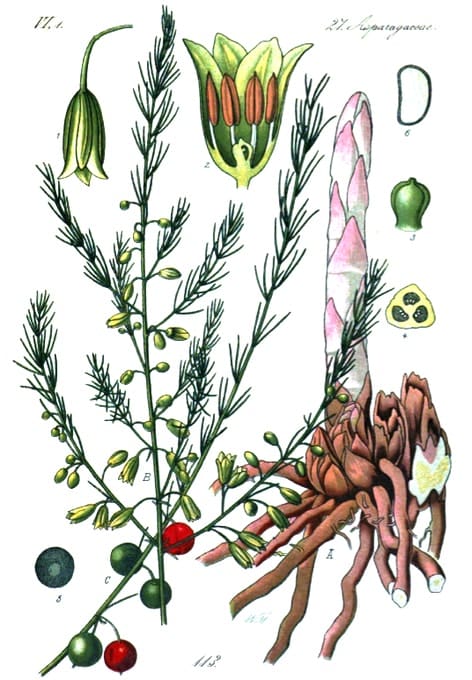
Flora von Deutschland, Kohler, 1886
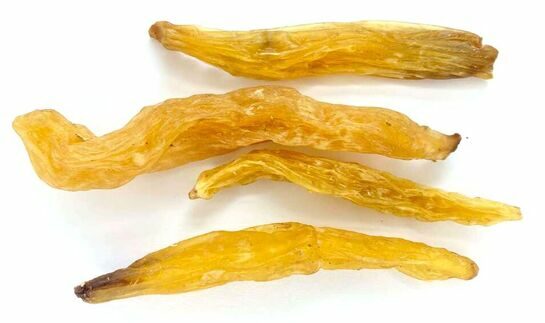
Asparagus root Tian Men Dong (Adam 2023)
Botanical name:
Asparagus officinale; the wild is A. tenuifolia
Three types were recognised traditionally in the West:
- Garden
- Wild
- Ferny
In TCM, two types are noted: ‘There are two species of Tian Men Dong: One with a rough leaf with thorns and the other with a lustrous leaf without thorns. Both of them are Tian Men Dong.’ (Su Gong)
All traditions use varieties of Asparagus root, all being synonymous in use to A. officinalis with the exception of A. racemosus (Shatavari) which is similar, but slightly different.
A. TCM: A. cochinchinensis and others (Tian Men Dong)
B. Ayurveda uses 2 varieties of Asparagus root:
- A. adscendens (White Musali, used as A. officinale);
- A. racemosus (Shatavari) (see separate entry)
C. Tibetan Medicine
- A. racemosus (Male, with thorns, superior)
- A. officinalis (Female, without thorns, inferior)
Also used are A. adscendens and A. tibeticus
Parts used:
Root; rarely the seed
“its seed when drunk produces the effects of the root”. (Villanova)
“Many use the Seed of Asparagus for all the purposes mentioned above [ie. of the Root], and hold them to be as effectual as the Root”. (The Compleat Herbal, Tournefort, 1719)
Temperature & Taste:
Warm, moist. Sweet (Unani, Tibetan Medicine)
Cool, Moist. Sweet (TCM)
Some regarded it as mildly Warm and Dry; “it does not manifestly warm nor cool” (Villanova)
“According to Galen it is moderate in temperament i.e. neither hot nor cold” (Avicenna)
Classification:
2A APERIENT MEDICINES. 2G. CLEANSING
3G. EMMENAGOGUE. 3H. LACTAGOGUE. 3I. APHRODISIAC. 3J. INCREASE SEMEN. 3M. ARTHRITIC
4b. OPTHALMICS. 4e. STOMACHIC. 4g. HEPATIC. 4h. NEPHRITIC. 4j. NERVINE
TCM:
N. Yin Tonic
Uses:
1. One of the Five Opening Roots:
-for obstructions; cleanses and opens the Liver, Spleen and Kidneys
-opens the body: gently promote urine and bowel movement; constipation with dryness and deficiency
-promotes Urine; Edema; hot, painful or dribbling Urine
-“The root and seed of asparagus are diuretic”. (Villanova)
-Gravel, Stones; “The root is drunk with white wine, and expels Stones”. (Dorsetn, 1540)
-“removes all kinds of visceral obstructions, especially those of the liver and kidney” (Avicenna)
2. Strengthens Kidneys and Liver, Nourishes Yin:
-Kidney and lower back pain; weak knees and legs; chronic Joint Pain; tightness of the ligaments (TCM, West)
-pains of the Lower Body from deficiency
-Seminal Emission, Impotence; promotes Sexual desire
-Deficient Heat; Consumption, Wasting
-“Its decoction is taken orally in cases of back pain and Sciatica” (Avicenna)
-“When boiled with wine, they soothe pains in the Loins and Kidneys”. (Dorsetn, 1540)
-“increases the quantity of Semen and also improves Libido… also useful in cases of difficulties in conception” (Avicenna)
–Rasayana: Nourishes the 7 Bodily Constituents; increases Semen and Essence (Ayurveda)
-“reinforces the Bone and Marrow” (Shen Nong Ben Cao)
-‘It moistens the Five Viscera, tonifies Five Overstrains and Seven Impairments”. (Da Ming)
-‘After having such drugs over 100 days, the person will get very strong”. (Zhang Yu Xi)
3. Nourishes the Blood, Promotes Circulation:
-anemia, weakness
-scanty Menstruation; used for Menstrual disorders with deficiency
-Infertility, Threatened Miscarriage
-Varicose veins, Hemorrhoids
-improves Eyesight; “They bring clarity to the Eyes”. (Dorsetn, 1540)
-“nourishes the Skin and Muscle” (Ming Yi Bie Lu)
-“Take the decoction to beautify one’s skin by making the skin whiter, more lustrous and cleaner”. (Zhen Quan)
4. Moisten and Strengthen the Lungs, clears Lung Heat:
-chronic cough, cough with Bloody sputum, chronic Bronchitis, Whooping Cough
-“good for treating coughing with dyspnea due to the Lung Qi disorder, or Asthma with dyspnea, pulmonary flaccidity with carbuncle and the spitting of pus”. (Zhen Quan)
5. Nourishes Yin, Stops Wind:
-Epilepsy, Hysteria, Apoplexy, Cramps, Numbness, Spasms
-Brain and Memory tonic; increases Intellect
-“The root, boiled in vinegar and wine, cures Sprains”. (Dorsetn, 1540)
-“good for treating Arthralgia and Hemiplegia due to attack of pathogenic Wind and Damp”. (Shen Nong Ben Cao)
-“Long¬term use enables one to feel happy and vigorous and enjoy a long life” (Shen Nong Ben Cao)
6. Resists Poison:
-Scrofula (Dioscorides)
-“When cooked in wine, its decoction is good against the bite of venomous animals”. (Villanova)
-“A decoction of the juice is effective against Snake bites”. (Dorsetn, 1540)
-“The decoction with vinegar is beneficial against Elephantiasis.”. (Dorsetn, 1540)
-Recently the spears and roots have been used in Cancer treatment.
7. Externally:
-root decoction gargled for Toothache and spongy gums
-“If the decoction of the Aparagus is gargled, it soothes all pain in the mouth and teeth”. (Dorsetn, 1540)
-in hip-baths or baths for all pains of the lower body (Culpeper)
-root is steeped in wine or vinegar for Dislocations (Dioscorides)
-concentrated decoction is ‘extremely effective’ against Freckles (Norbu)
-“Asparagus, crushed and anointed with oil, relieves stings from Bee”. (Dorsetn, 1540)
Dose:
1. In India it is typically decocted in Milk to nourish sperm, Yin and as a strengthening tonic.
2. The root was often decocted in wine in the western tradition. This is more warming, helps move the Blood, and is better for opening obstructions, Strangury, Joint pain etc. A tincture will have similar effects.
Powder: 2–5 grams
Decoction: 6–12 grams
Note:
1. TCM uses the root prepared (steamed) with wine which weighs heavier and affects doses.
2. In TCM, Asparagus root is regarded as a Cool, moist, Yin (Sperm) tonic. In Ayurveda and Tibetan Medicine, it is often classed as warm, and even regarded as Aphrodisiac, usually the effect of a warming Yang tonic. Firstly, its effects are dependent on the herbs it is combined with. Secondly, while moist, and therefore nourishing to the Yin, it also has warming properties, and therefore can be looked at as both a Yin and Yang tonic.
Corrective:
1. Sugar; Honey (Unani)
2. Cold Seeds
Substitute:
1. Ophiopogon Mai Men Dong
2. Soloman’s Seal
3. Tanacetum umbelliferum
4. Pine seed
Preparation:
1. In TCM, the tuberous root is processed by boiling in water, then peeling, before drying.
2. Stir-fried with Honey increases the moistening and nourishing effect on the Lungs to help soothe the Lungs, and relieve coughing
3. As soon as the root are dug they are washed then boiled in twice the amount of water until the water is absorbed. This makes the root more warming..(Tibet)
Main Combinations:
Asparagus and Parsley root
Opening Roots – Five & Two
One of the Five Opening Roots: with roots of Celery, Parsley, Broom and Fennel, primarily used to strengthen and open the lower body, promote urine and bowel movements.
Opening, Liver
1. To Open the Liver: Five Opening Roots, Chicory, Agrimony, Dandelion, Parsley seed, Licorice
2. Liver Heat and Inflammation, Asparagus root with Dandelion root, 4 Cold Seeds, Chicory, Licorice (as in Hepatic Decoction)
3. Skin diseases, Acne, Boils, Eczema, Asparagus root with Celery root, Fennel root, Chicory, Dandelion, Fumitory, Hops, Dodder, Licorice (as in Syrup of Chicory and Rhubarb)
Nourish Yin, Tonic
4. Nourish the Yin,
i. Asparagus Tian Men Dong with Ophiopogon Mai Men Dong (TCM)
ii. Asparagus root with Marshmallow root, Licorice
iii. Asparagus root, Soloman’s Seal, Comfrey root
5. Lower Back Pain:
i. Asparagus root, Comfrey root, Soloman’s Seal
ii. Asparagus seed, Cumin (1 dram each), powder and take with white wine. (The Secrets of Alexis, 1615)
6. Sciatica, decoct Asparagus root in wine. (Herbarius latinus, Petri, 1485)
7. Female Infertility, Asparagus (Safed Musali), Turmeric, Sida, Licorice
8. Impotence:
i. ‘good for treating impotence. Take the drug regularly over a long period of time.’ (Sun Si Miao)
ii. Impotence, Male Infertility, Asparagus (Safed Musali) with Withania, Sida, Mucuna, Tribulus
9. Aphrodisiac, combine Asparagus (Safed Musali) with Withania and Tribulus terrestris seed (Ayurveda)
10. Yin deficient Heat: Asparagus root with Comfrey root, Violet and the Cold seeds
11. Pediatric tonic: combine Asparagus (Safed Musali) with Rose, Emblic Myrobalan, Withania, Long Pepper and a little Calamus (Ayurveda)
12. To promote Longevity and prevent hair turning white, Asparagus Tian Men Dong with Rehmannia Shu Di Huang. (Zhen Quan)
Urinary:
13. Urinary diseases with Yin deficiency: combine Asparagus root with Couch grass, Marshmallow root, Licorice, Raisins, Plantain, Maidenhair and the Cold seeds. Used for Burning Urine, Stranguria, Dysuria, Gravel, Stones, Gonorrhea; also chronic Cough, Bronchitis; good for Yin deficiency.
14. Gravel, Asparagus root, Burdock, Celery root, Garlic, Willow leaf, Parsley, decoct in wine
15. Hematuria: “If blood is present in the Urine, Chrysippus orders that the seeds of Asparagus, Celery, and Cumin, three obolus in wine, be given in two cups for five days”. (Dorsetn, 1540)
Wind diseases
16. Wind associated with Yin deficiency: combine Asparagus root with Peony root and Mistletoe
17. Vertigo, Asparagus root with Lavender, Horehound, Fennel, Cinnamon (as in Decoction for Vertigo)
18. Paralysis, Asparagus root with Peony root, Butchers Broom, Betony, Cowslip, Cinnamon and Raisins (as in Tincture for Paralysis)
Lungs
19. Chronic Cough, Cough with Blood-streaked Sputum: Asparagus root with Comfrey, Elecampane, Licorice
20. Asthma: “To protect the Lung Qi, and disperse the invading blood with Heat into the Lung with Asthma and Dyspnoea, use Tian Men Dong together with Ginseng and Astragalus Huang Qi. It works miraculously”. (Zhang Yuan Su)
Other
21. Intestinal inflammation, Asparagus (Safed Musali) with Emblic Myrobalan, Madder, Licorice
22. To promote Milk, Asparagus (Safed Musali) with Fennel, Bishop’s Weed
23. To not feel (fear) the Cold, Asparagus Tian Men Gong and Poria Fu Ling. Take several times daily. (Sheng Hua Jing)
Externally:
24. Toothache, decoct Asparagus root and Pyrethrum in wine and use as a mouthwash. (Villanova)
Major Formulas
West / Unani:
Syrup of Five Opening Roots
Electuary for Back Pain (Galen)
Great Electuary for Increasing Seed (Rhazes)
Hepatic Decoction (Hoffman)
Syrup of Chicory and Rhubarb (Nicholas)
Syrup of Marshmallow (Fernel)
Syrup of Mugwort (Augustana)
Wine for Scrophula (Renodeus)
Tincture for Paralysis
Ayurveda:
Dhatuvallabha Churna
TCM:
Qing Fei Tang
1. Diuretic Species (Powder):
i. Fennel root, Dyer’s Broom, Restharrow root, Asparagus root, Parsley root (equal parts) (Pharmacopoeia Gallica, 1818)
ii. Fennel root, Dyer’s Broom, Restharrow root, Asparagus root, Parsley root, Star Thistle root, Wild Parsley root, Strawberry root (equal parts)(Formulaire Pharmaceutitique a l’usage des Hospitaux Militaires de France, 1821)
2. Diuretic Decoction:
i. Asparagus root, Dyer’s Broom, Sea Holly root, Parsley root, Fennel root
3. Opening Broth:
i. Mutton neck (6 oz.), Asparagus root, Dyer’s Broom root (half oz. each), Wood Lice (40 in number), Chicory leaf, Rupture-wort (half handful)
Cautions:
Generally safe. Best not used in Phlegm and Damp conditions.
Main Preparations used:
Distilled Water of the whole fresh; often used as one of the Five Opening Roots.
Click the above Tabs for more information on this medicine
-Asparagus is one of the few foods containing natural Vitamin E, dubbed the ‘Sex Vitamin’. English scientists “extracted pure Vitamin E from the fresh food, copiously fed it to rats and recorded their record breaking performances in both eagerness and reproduction”.
-The old Greeks used the root in medicine, believing that was the strongest part; some recommended eating the young shoots as vegetables, but using the whole plant in medicine.
–Langham, in 1579 said “No herb is sooner converted into good blood than Asparagus”.
–Pliny the Elder was the first to stress its values, and recommended “the eating of it daily for freedom from all diseases, and for speed”.
–Edgar Cayce, the Psychic healer who achieved miraculous cures, usually without ever seeing the patient said Asparagus was good for “anemia, apoplexy, asthenia, blood building, constipation or nerve building” (‘Edgar Cayce Speaks’).
-The “Roots of Sparagus dried, and stuck into the teeth, will pull them forth without pain”. (Mizaldus)
-“And some have related that if one having beaten Rams horns in pieces do bury them, Asparagus comes up, which is incredible to me”. (Dioscorides)
-Worn around the neck, and taken in Decoction ‘it makes one barren, and not fit for generation”. (Dioscorides)
-“A friend to Man”.
-This is regarded as a highly Spiritual (Sattvic) herb in Ayurveda; it increases Love, Devotion, as well as nourishing the body Essence.
-The seeds are roasted to make a healthy Coffee substitute.
Pharmacographia Indica, Dymock, 1893:
‘Asparagus was well known to the Greeks and Romans both wild and in a cultivated state. Hippocrates mentions it in his treatise on diet, and in his treatise on the Diseases of Women he says that the berries taken in wine promote conception. Dioscorides and Pliny describe its medicinal properties, and Cato (De re Rust. c. 161) gives full directions concerning its cultivation. The ancients considered it to be a wholesome vegetable, dispelling flatulency and acting as a mild aperient, diuretic and aphrodisiac. They administered the root in wine for calculous affections and pains in the uterus, and also considered it beneficial in elephantiasis. Ibn Sina calls it haliun and quotes Galen’s opinion of its medicinal value.
The Western Arabs call it Isferaj; in Persia it is known as Marchubeh and Margiyeh “snake wort,” from its being considered to be an antidote for snake poison. Wild asparagus, the A. tenuifolius of Linnaeus, was known to the Romans as Corruda, a name still current in the south of France, where the plant is valued for its medicinal properties up to the present time. Broussais considered asparagus to be a sedative in palpitation of the heart, and it is still used in France as a diuretic in cardiac dropsy and chronic gout. The young shoots when eaten as a vegetable are well known to communicate a peculiar and offensive odour to the urine, a syrup for medicinal use is prepared with their juice, 100 parts after clarification being added to 190 parts of sugar.
Some physicians consider asparagus to be useless as a diuretic and even injurious to the bladder, but as far as our experience goes it has no ill-effects when taken daily for a considerable time. Indian Mahometan writers on medicine merely retail what the ancients have said about this plant; they usually prescribe the dried berries which are to be found in the bazars of all large towns’.
Daoists texts on Asparagus Tian Men Dong (from Ben Cao Gang Mu)
Bao Pu Zi says:
Du Ziwei ate Chinese asparagus. He managed 80 wives, had 140 sons, and could travel 300 li (150 km) a day.
Lie Xian Zi says:
Zhi Song Zi ate Chinese asparagus. When his teeth fell out they grew in again. The fine hairs on his head grew in again.
Shen Xian Zhuan says:
Gan Shi was a man of Taiyuan. He took Chinese asparagus. He was among people for three hundred years.
GENERAL / REVIEW
–Bioactive compound, polyphenol content, and antioxidant activity of Asparagus racemosus Linn. root extract.
–A Review of the Pro-Health Activity of Asparagus officinalis L. and Its Components.
–Asparagus saponins: effective natural beneficial ingredient in functional foods, from preparation to applications.
–Literature analysis on asparagus roots and review of its functional characterizations.
–Asparagus (Asparagus racemosus L.) roots: nutritional profile, medicinal profile, preservation, and value addition.
–Asparagus cochinchinensis: A review of its botany, traditional uses, phytochemistry, pharmacology, and applications.
ANTI-VIRAL
–Mitochondrial resilience and antioxidant defence against HIV-1: unveiling the power of Asparagus racemosus extracts and Shatavarin IV.
ANTI-INFLAMMATORY:
–Evaluating anti-inflammatory and anti-oxidative potentialities of the chloroform fraction of Asparagus racemosus roots against cisplatin induced acute kidney injury.
–Phenylpropanoid Derivatives from the Tuber of Asparagus cochinchinensis with Anti-Inflammatory Activities.
ANTI-OXIDANT:
–Evaluating anti-inflammatory and anti-oxidative potentialities of the chloroform fraction of Asparagus racemosus roots against cisplatin induced acute kidney injury.
–Shatavarin-IV rescues the Di (2-ethylhexyl) phthalate (DEHP) induced oxidative stress in rat granulosa cells in vitro.
–Enzyme Inhibition and Antioxidant Activities of Asparagus officinalis L. and Analysis of Its Phytochemical Content by LC/MS/MS.
PREBIOTIC:
–Composition and Functional Properties of the Edible Spear and By-Products from Asparagus officinalis L. and Their Potential Prebiotic Effect.
IMMUNOMODULATORY
–Physicochemical, rheological, antioxidant and immunological properties of four novel non-inulin (poly)saccharides from Asparagus cochinchinensis.
–Evaluation of immunological adjuvant activities of saponin rich fraction from the fruits of Asparagus adscendens Roxb. with less adverse reactions.
–Evaluation of immunostimulatory attributes of Asparagus racemosus and Withania somnifera supplemented diets in fish, Channa punctatus (Bloch, 1793).
ADAPTOGENIC
–Adaptogenic property of Asparagus racemosus: Future trends and prospects.
INCREASES STRENGTH & MUSCLE MASS
–Beneficial Effects of Asparagus officinalis Extract Supplementation on Muscle Mass and Strength following Resistance Training and Detraining in Healthy Males.
LUNG PROTECTIVE
–Oligosaccharides from Asparagus cochinchinensis for ameliorating LPS-induced acute lung injury in mice.
BRAIN DAMAGE CAUSED BY FLUOROSIS:
–Combining Network Pharmacology and Experimental Verification to Ascertain the Mechanism of Action of Asparagus officinalis Against the Brain Damage Caused by Fluorosis.
EPILEPSY
–A network pharmacology approach to explore pharmacological mechanisms of Asparagus racemosus for ameliorative effect in epilepsy and comorbid progressive memory dysfunction.
–Anticonvulsant Effect of Asparagus racemosus Willd. in a Mouse Model of Catamenial Epilepsy.
MEMORY LOSS
–A network pharmacology approach to explore pharmacological mechanisms of Asparagus racemosus for ameliorative effect in epilepsy and comorbid progressive memory dysfunction.
DEMENTIA / ALZHEIMER’S DISEASE:
–Development and Optimization of Piracetam and Shatavarin IV-Loaded Nanoemulsion for Alzheimer’s Disease Therapy: In Silico and Experimental Analysis.
–Acid-assisted polysaccharides extracted from Asparagus cochinchinensis protect against Alzheimer’s disease by regulating the microbiota-gut-brain axis.
–Plant Soup Formulations Show Cholinesterase Inhibition Potential in the Prevention of Alzheimer’s Disease.
–Smilagenin induces expression and epigenetic remodeling of BDNF in alzheimer’s disease.
–Effect of a Standardized Extract of Asparagus officinalis Stem (ETAS50) on Cognitive Function, Psychological Symptoms, and Behavior in Patients with Dementia: A Randomized Crossover Trial.
MULTIPLE SCLEROSIS
–Effects of Asparagus officinalis on immune system mediated EAE model of multiple sclerosis.
FATTY LIVER:
–Polysaccharides Extracted from Old Stalks of Asparagus officinalis L. Improve Nonalcoholic Fatty Liver by Increasing the Gut Butyric Acid Content and Improving Gut Barrier Function.
NEPHROPROTECTIVE
–Renal-protective effect of Asparagus officinalis aqueous extract against lead-induced nephrotoxicity mouse model.
–Asparagus falcatus L. (Asparagaceae) leaf extracts attenuate doxorubicin-induced renal toxicity via antioxidant, anti-inflammatory, and anti-apoptotic pathways.
–Nephroprotective Effect of Asparagus africanus Lam. Root Extract against Gentamicin-Induced Nephrotoxicity in Swiss Albino Mice.
REPRODUCTIVE PROTECTIVE:
–Protective effects of corn silk and asparagus Officinalis against formaldehyde-induced reproductive toxicity in male rats via CDK2/Spem1/Fbxo47 and Tet1 pathways
POLYCYSTIC OVARIAN SYNDROME (PCOS)
–Exploring the therapeutic potential of Asparagus africanus in polycystic ovarian syndrome: a computational analysis.
–Screening of Optimal Phytoconstituents through in silico Docking, Toxicity, Pharmacokinetic, and Molecular Dynamics Approach for Fighting against Polycystic Ovarian Syndrome.
–Integrating network pharmacology and experimental verification to explore the pharmacological mechanisms of asparagus against polycystic ovary syndrome.
MENOPAUSE
–Efficacy and Safety of Shatavari Root Extract for the Management of Menopausal Symptoms: A Double-Blind, Multicenter, Randomized Controlled Trial.
–Shatavari supplementation in postmenopausal women alters the skeletal muscle proteome and pathways involved in training adaptation.
OSTEOPOROSIS
–Plant-derived natural medicines for the management of osteoporosis: A comprehensive review of clinical trials.
DIABETES:
–Antidiabetic activities of aerial part of Asparagus racemosus Willd. extract: an in vitro, in vivo, and in silico approach.
–Furostanol saponins from Asparagus racemosus as potential hypoglycemic agents.
BENIGN PROSTATIC HYPERPLASIA
–Asparagi radix alleviates testosterone-induced benign prostatic hyperplasia by inhibiting 5α-reductase activity and androgen receptor signaling pathway.
CANCER:
–In-Vitro Cytotoxic and Anti-Inflammatory Potential of Asparagus Densiflorus Meyeri and its Phytochemical Investigation.
BREAST:
–Mechanistic Insights into the Anticancer Potential of Asparagus racemosus Willd. Against Triple-Negative Breast Cancer: A Network Pharmacology and Experimental Validation Study.
–Molecular mechanisms of Asparagus racemosus willd. and Withania somnifera (L.) Dunal as chemotherapeutic adjuvants for breast cancer treatment.
–Anticancer Activity of Aqueous Extracts from Asparagus officinalis L. Byproduct on Breast Cancer Cells.
COLORECTAL
–Cytotoxicity and Chemotaxonomic Significance of Saponins from Wild and Cultured Asparagus Shoots.
–Combining Network Pharmacology and Experimental Validation to Study the Action and Mechanism of Water extract of Asparagus Against Colorectal Cancer.
ENDOMETRIAL:
–Asparagus officinalis L. extract exhibits anti-proliferative and anti-invasive effects in endometrial cancer cells and a transgenic mouse model of endometrial cancer.
GASTRIC
–Shatavarin-IV, a steroidal saponin from Asparagus racemosus, inhibits cell cycle progression and epithelial-to-mesenchymal transition in AGS cells under hyperglycemic conditions.
–An In Vitro Study on the Cytotoxic, Antioxidant, and Antimicrobial Properties of Yamogenin-A Plant Steroidal Saponin and Evaluation of Its Mechanism of Action in Gastric Cancer Cells.
LIVER
–Targeting the mTOR Pathway in Hepatocellular Carcinoma: The Therapeutic Potential of Natural Products.
–Furostanol Saponins from Asparagus cochinchinensis and Their Cytotoxicity.
LUNG
–Furostanol Saponins from Asparagus cochinchinensis and Their Cytotoxicity.
–Steroidal saponins with cytotoxic effects from the rhizomes of Asparagus cochinchinensis.
MULTIPLE MYELOMA:
–Retraction: Mechanism of action of Asparagus officinalis extract against multiple myeloma using bioinformatics tools, in silico and in vitro study.
–Mechanism of action of Asparagus officinalis extract against multiple myeloma using bioinformatics tools, in silico and in vitro study.
OVARIAN
–Asparagus officinalis combined with paclitaxel exhibited synergistic anti-tumor activity in paclitaxel-sensitive and -resistant ovarian cancer cells.
–Yamogenin-Induced Cell Cycle Arrest, Oxidative Stress, and Apoptosis in Human Ovarian Cancer Cell Line.
PANCREATIC
–The Effect of Asparagus Extract on Pancreatic Cancer: An Intriguing Surprise.
SYNERGISTIC WITH CHEMOTHERAPY
–Asparagus officinalis combined with paclitaxel exhibited synergistic anti-tumor activity in paclitaxel-sensitive and -resistant ovarian cancer cells.
You must be logged in to view this content, please login. If you're not a member then Click this link to subscribe


“Some say that when horns of rams are buried in the earth, asparagus grows from them”. (Villanova)