Anisodus, Thang phrom nag po ཐང་ཕྲོམ་ནག་པོ་
Thang phrom nag po (Tibet)
Zang Qie (A. tanguiticus, TCM)
Sai Lang Dang (A. luridus, TCM)
San Fen San (A. acutangulus, TCM)


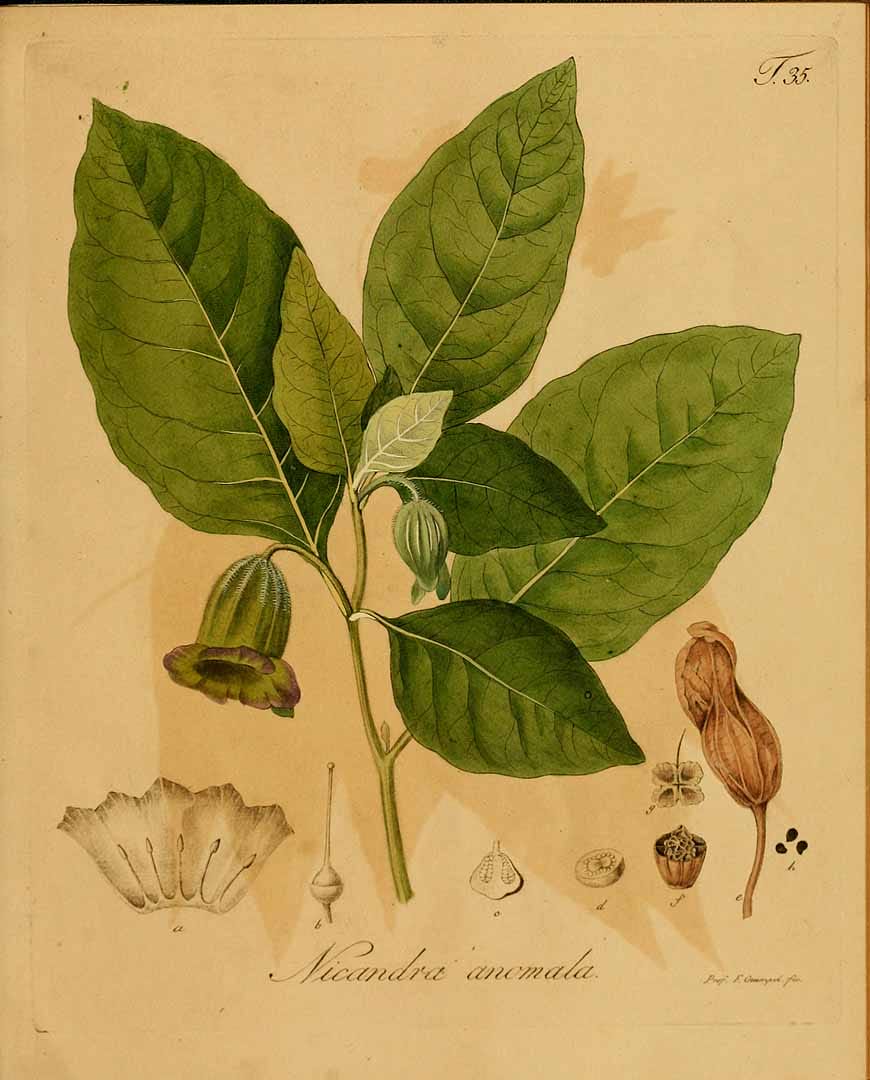
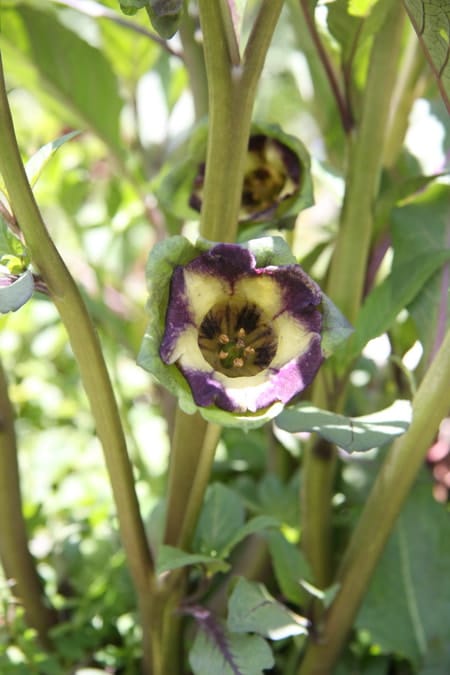
Botanical name:
Anisodus spp:
- A. tanguticus (syn. Scopolia tangutica) (Tibet)
- A. luridus (Nepal)
- A. acutangulus
In Tibetan texts there are 4 varieties of Thang phrom:
- Thang phrom nag po: Anisodus tanguiticus
- Thang phrom kar po: Przewalskia tangutica
- Thang phrom dkar po: Mandragora chinghaiensis
- Thang phrom lang thang tse: Hyoscyamus niger
Parts used:
Seed, Root and Leaf
Temperature & Taste:
Cool, dry. Bitter. Toxic (Tibet)
Considered Warm by some TCM sources
Uses:
1. Strongly Relieves Pain:
-severe Stomach and Abdominal pain
-pain and spasm of biliary ducts
2. Stops Spasms:
-acute spinal inflammation
-Shock from various causes including hemorrhagic shock (proven effective)
-Asthma
3. Clears Heat, Disperses Swelling:
-acute and chronic gastroenteritis (TCM)
-Shock associated with acute infectious diseases
-Toxic Swellings, Boils, Abscesses
-Tumors
-Snake Bite
-Trauma, Fractures
4. Externally:
-leaf or flowers are smoked to relieve Toothache (Nepal)
-as a topical anesthetic prior to resetting a fracture
Dose:
Decoction of the root and leaf: 300–900mg decocted and taken
Substitute:
1. Henbane
2. Seeds of Datura stramonium (Buryat)
3. Scopolia species are used very similarly.
4. Physochlaina physaloides is given as a source by some Russian sources.
Comment:
Anisodamine hydrobromide, one of the active ingredients, is used in injectable form in China. It is used as an anticholinergic in gastrointestinal spasms amongst other things.
Preparation:
Seed is prepared by being stir-fried until yellowish. (Tibet)
Main Combinations:
1. Severe gastric pain or Rheumatic pain, boil 900mg of the root and leaf and take in 2 divided doses.
2. Anesthetic prior to resetting a fracture, gring root and leaf to powder, mix with alcohol and apply. After 3–5 minutes the fracture can be set.
Major Formulas:
Tumor Curing Thunderbolt (Skrangs sel bde byed)
Cautions:
1. Avoid overdose. Contains tropane alkaloids.
2. Not used during Pregnancy, Breastfeeding or in the very young, or very old.
3. Avoid in Heart diseases and Glaucoma
Toxicity:
Anisodamine has an LD50 in mice of 350–430mg/kg i.p. and 123mg/kg i.v.
Main Preparations used:
Click the above Tabs for more information on this medicine
GENERAL / REVIEW:
–Important poisonous plants in tibetan ethnomedicine.
CNS DEPRESSANT / ANTISPASMODIC:
-Anisodine has this effect. It is similar to but weaker than scopolomine.
-Muscle relaxant and antispasmodic
CNS STIMULANT:
-Anisodamine is a CNS stimulant
SHOCK:
-Proven effective in shock from various causes.
–Salutary effects of anisodamine in murine traumatic shock.
–Beneficial effect of anisodamine in hemorrhagic shock.
ANTICHOLINERGIC:
-Atropine and Scopolamine are Anticholinergic.
CARDIOVASCULAR / RESPIRATORY:
–Effects of Anisodine Hydrobromide on the Cardiovascular and Respiratory Functions in Conscious Dogs.
–Anti-arrhythmia and vegetative nervous system effects of anisodamine.
DIABETIC RETINOPATHY:
–Exploring the Potential of Traditional Herbs in the Management of Diabetic Retinopathy: An Overview.
KIDNEY FUNCTION:
–Dopaminergic effect of anisodamine on the microcirculation of the hydronephrotic kidney of rats.
CANCER:
–Anisodamine Suppressed the Growth of Hepatocellular Carcinoma Cells, Induced Apoptosis and Regulated the Levels of Inflammatory Factors by Inhibiting NLRP3 Inflammasome Activation.
SNAKE BITE:
–Anisodamine as an effective drug to treat snakebites.
COGNITION / ALZHEIMER’S DISEASE:
–Differentiating effects of anisodamine on cognitive amelioration and peripheral muscarinic side effects induced by pilocarpine in mice.
You must be logged in to view this content, please login. If you're not a member then Click this link to subscribe